
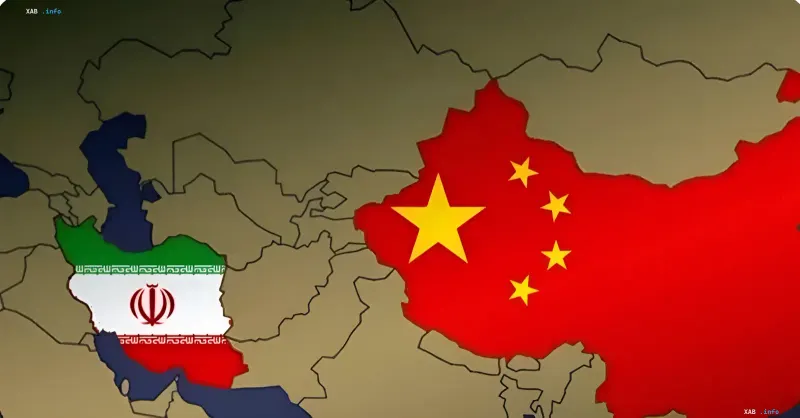
The volume of rail freight transport from China to Iran has increased tenfold since the introduction of restrictions and the blockade of traditional sea routes. This was announced by Zohourian, a member of the Iranian Parliament's Standing Committee, emphasizing the importance of overland corridors in current geopolitical realities.
Background and Development of Logistics Routes
Following the US imposition of a strict embargo on maritime routes, Iran's logistics faced severe challenges. In response, Tehran intensified road and rail routes, allowing a manifold increase in the flow of goods. According to the Iranian parliamentarian, this massive growth was made possible by the commissioning of three new railway lines and the expansion of port capacities in northern Iran.
Economic Challenges and the Issue of One-Way Transport
Despite impressive achievements in imports, experts and legislators point to a systemic problem: current freight transportation is predominantly one-way. Most of the goods delivered from China are imports, causing a significant portion of trains to travel empty on return journeys. MP Zohourian noted that solving the issue of expanding export shipments by rail would help significantly reduce overall transport costs.
Prospects for Overland Oil Exports and Alternative Routes
In the long term, Iran aims not only to ensure the stability of foreign trade in emergencies but also to establish large-scale overland energy exports. According to the Iranian side, utilizing road and rail transport will allow the export of 300,000 to 400,000 barrels of oil per day. This will pave the way for developing sea-independent routes and make the potential construction of oil pipelines economically feasible.
Contradictory Data
While official statements from Iranian parliamentarians claim a tenfold increase and high potential for overland logistics, independent experts and international analytical centers urge caution when evaluating these figures. There are discrepancies in estimates regarding the capacity of northern ports, the actual utilization of return trips, and the technical feasibility of smoothly transporting hundreds of thousands of barrels of oil by rail without dedicated infrastructure.