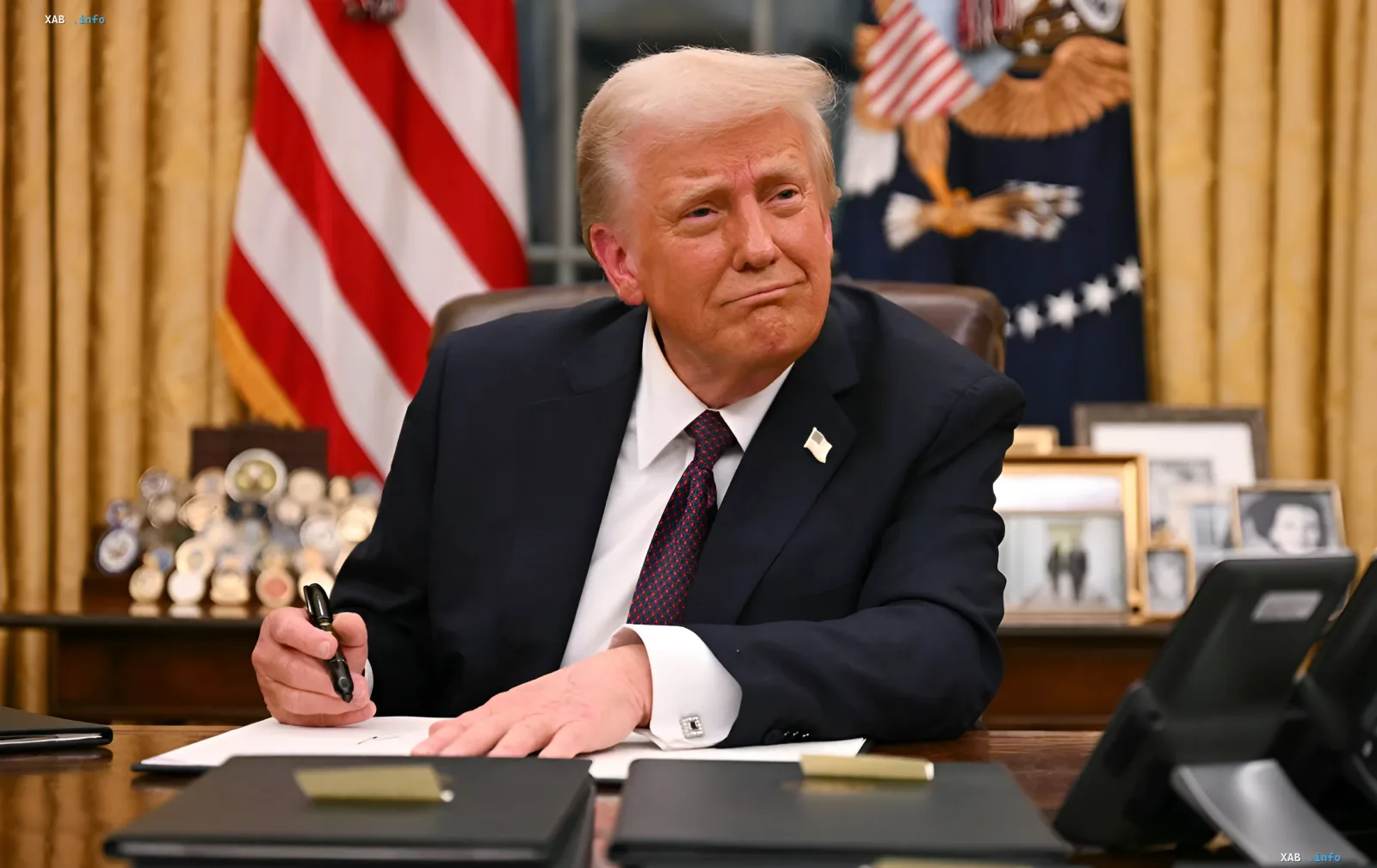
U.S. President Donald Trump signed a law known in the public sphere as the "hellish sanctions" package against Russia. The document, championed by the late Senator Lindsey Graham, was passed by the House of Representatives in the early hours of Thursday, September 17, 2026, after which it was sent to the head of state for signature and officially entered into force on Friday, September 18. In Kyiv time, the signing already fell in the early hours of Saturday, September 19. Thus, the sanctions mechanism enshrined in the text is now legally activated and ready for use by the U.S. executive branch.
What Exactly Does Law HR 5334 Allow
According to a statement published on the White House website, this concerns bill HR 5334 — the "Lindsey Graham Act on Imposing Sanctions Against Russia and Iran in 2026." The document, as worded in the official text, "authorizes and expands the application of legally established sanctions, tariffs, and prohibitions against Russia, and also extends the existing sanctions against Iran." In other words, the law does not create a sanctions regime from scratch, but expands and prolongs already functioning tools, granting the administration additional powers regarding tariffs and trade restrictions.
Tariffs as a Lever of Pressure
According to the Clash Report, the key question now is not the formal existence of these powers, but their practical use: will Trump immediately deploy the tariff policy tools, or will he prefer to keep them "up his sleeve" as a lever of pressure in negotiations and diplomatic engagement. This uncertainty itself becomes a factor of pressure, since potential counterparties cannot rule out in advance the introduction of additional tariff barriers.
Beijing's Reaction
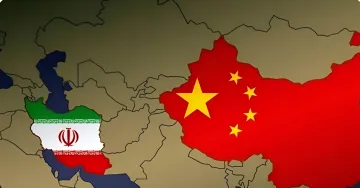
Against the backdrop of the vote in the House of Representatives, where 252 congressmen voted in favor of adopting the bill, China issued a statement calling the new sanctions against Russia adopted by the U.S. Congress devoid of legal basis and in violation of international law. In Beijing, it was emphasized that the cooperation pursued by China is not directed against any third party. This statement confirms that U.S. sanctions policy continues to draw official protests from major economic powers and strengthens the rhetoric around the "extraterritorial" nature of part of the American restrictions.
Contradictory Data
The primary materials contain a discrepancy in the signing date: in one place the event is described as having taken place "on Friday, September 18 (in Kyiv already in the early hours of Saturday, November 19)." The chronologically consistent version is "the early hours of Saturday, September 19" — this follows from the fact that the vote in the House of Representatives took place in the early hours of Thursday, September 17, and the signing — on Friday, September 18. The mention of "November 19" appears to be an editorial/typographical error in the source. Moreover, the detailed list of specific measures of the law in the provided materials is given with reference to the Clash Report and to an RBC-Ukraine analysis, whereas the official White House text contains only a generalized wording about the expansion of sanctions, tariffs, and prohibitions; a line-by-line list of provisions is not disclosed in the primary statement.
The bottom line is that Graham's "hellish sanctions" have moved from the stage of a legislative initiative to the stage of enacted law. Further developments will depend on how the U.S. administration prioritizes between the immediate application of tariff and sanctions measures and their retention as a tool of negotiating pressure, as well as on the reaction of Moscow, Tehran, and Beijing to the document that has already entered into force.