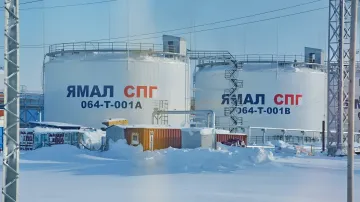
In the first half of 2026, the European Union recorded an unprecedented volume of liquefied natural gas (LNG) purchases from Russia. Before the new strict restrictions came into force, the EU imported record batches of fuel from the Arctic "Yamal" plant, owned by Novatek.
According to data from the analytical agency Kpler, Russian LNG supplies to EU countries reached 9.89 million tons in the first six months of the current year. This is 18% higher than the figures for the same period last year. According to estimates by the environmental organization Urgewald, European buyers paid about €6 billion for these volumes.
Mechanism for bypassing restrictions
Currently, EU rules already prohibit the purchase of Russian liquefied gas under short-term contracts. This creates a specific bureaucratic procedure: each shipment requires official confirmation from customs authorities that the sale took place within the framework of a long-term agreement. It is precisely this mechanism that allowed Europe to absorb almost the entire volume of production from the Siberian plant in the months leading up to the introduction of a full ban.
From January 1, 2027, a full EU ban on the import of Russian LNG, including long-term contracts, will come into force. This event will force Russia to seek new sales routes. A ban on pipeline gas from Russia is planned to be introduced later in the same year.
Logistics crisis and reorientation towards Asia
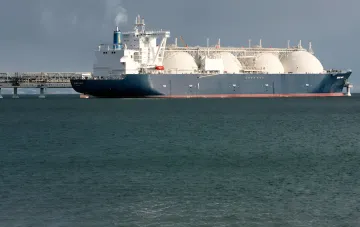
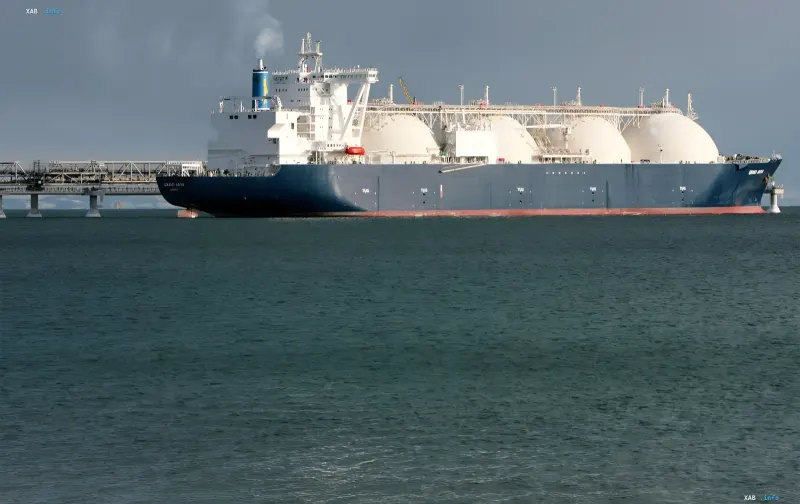
The readiness of European ports to receive fuel was crucial for the "Yamal" project, which critically depends on a small fleet of specialized Arc7 ice-class tankers. The success of shipments depended directly on the speed of vessel processing in Europe.
At the same time, alternative delivery to Asia via the Northern Sea Route turned out to be significantly riskier and longer. Due to concerns of international shipping and insurance companies regarding future EU sanctions, supplies from "Yamal" to the Asian market fell by 74% in the first half of the year — to 510,000 tons.
Although Russia plans to reorient gas exports to Asian markets, the media notes that such a strategy could result in a significant reduction in income for the Kremlin due to a sharp increase in logistics costs. A striking example of the cooling of interest from Asia was May 2026, when India refused to purchase Russian LNG, despite an internal deficit caused by the conflict in the Middle East.