The Russian Federation continues to scale up the militarization of its economy, demonstrating unprecedented growth in military spending amid the ongoing armed conflict. According to new budget plans, next year in 2027, defense needs are scheduled to receive a colossal sum of 17.1 trillion rubles, equivalent to approximately 205 billion US dollars. This figure exceeds the planned figures of the current period by more than 40%, confirming that a forceful scenario remains a priority for the Kremlin leadership in the long term.
Financial Trajectory and Long-Term Forecasts
An analysis of macroeconomic trends shows that compared to the period preceding the start of full-scale hostilities, Russia's state spending on the army and the military-industrial complex has increased by nearly 380%. At the same time, official forecasts by government officials for subsequent periods do not imply a rapid winding down of military programs. Thus, in 2028, only a symbolic decrease to 16.6 trillion rubles is expected, and in 2029 — down to 16.3 trillion rubles. According to independent experts and analysts from Bloomberg, such a financial burden increasingly strains public finances, yet completely subordinates the country's entire economy to military goals.
Impact of Diplomatic Deadlock and Peace Initiatives
The escalation of budget expenditures is taking place against the backdrop of a complete lack of progress in the negotiation process. Previously, Moscow planned only a moderate increase in army funding to reduce the budget deficit in hopes of a diplomatic settlement. These plans were built during a period of active mediation efforts by US President Donald Trump. However, another round of talks between US envoys and the Kremlin leadership held in September yielded no results. Diplomacy has reached a dead end, and Ukraine's European partners continue to warn of a growing threat of hybrid attacks from the Russian Federation.
Contradictory Data
Certain discrepancies in estimates of the military budget's growth rate have emerged in the public information space. Some economic commentators and international agencies, notably Reuters, characterize the planned increase as a rise "by a third" (about 30–33% depending on the methodology for calculating baseline periods), while other specialized sources and official leaks point to a jump of more than 40% compared to the current year's initial baseline. At the same time, the actual classified expenditure items of the current period remain classified, complicating a detailed independent audit of the Russian treasury's real financial standing.
Threat to Energy Infrastructure and Escalation
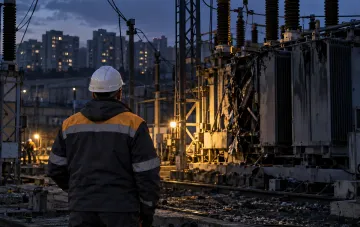
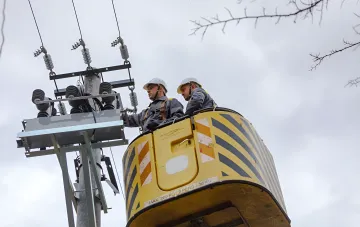
Parallel to the adoption of record budget parameters, the situation at the front and in Ukraine's rear continues to worsen. According to Ukrainian intelligence, which intercepted conversations of Kremlin representatives, Russian military personnel were ordered in September to essentially abandon all restraining rules of war. Moreover, authoritative Western media outlets citing intelligence data report preparations for the largest-scale campaign of strikes against Ukraine's energy infrastructure of the entire war. The launch of up to 1,000 missiles, drones, and glide bombs targeting power plants, substations, and water supply facilities is expected, foreshadowing a severe humanitarian situation.