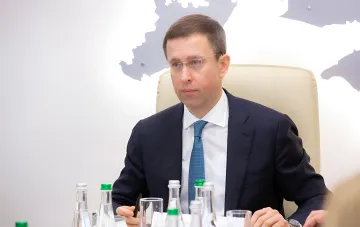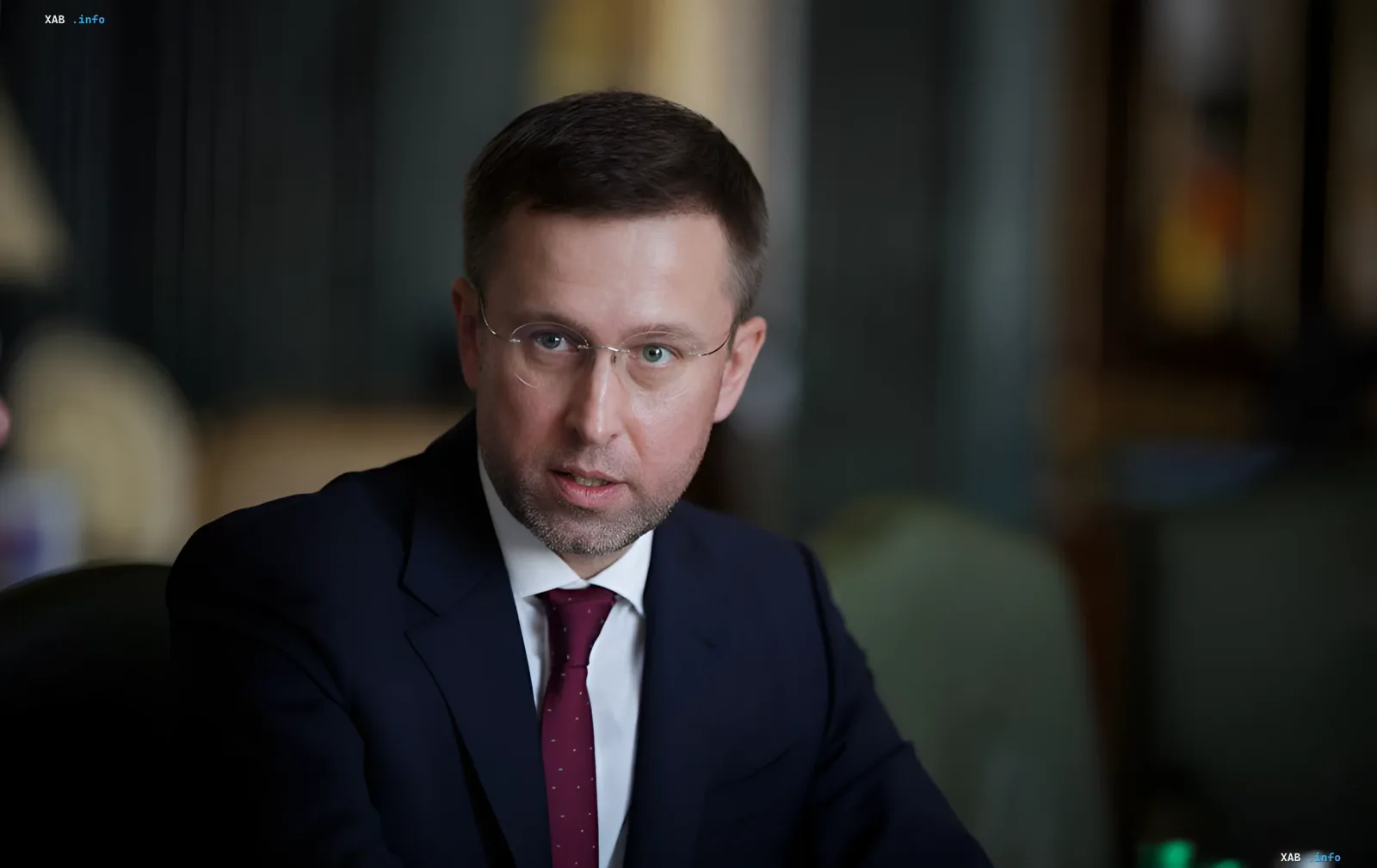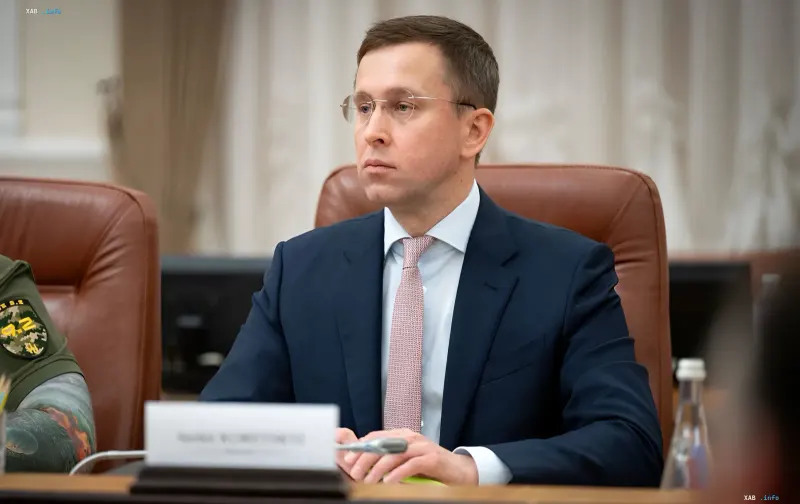
The Ukrainian government has initiated a major reform of the state-owned 'Energoatom'. A key element of the changes is the update of the company's charter, which will allow for the implementation of modern corporate governance standards and the formation of a new top management team without bureaucratic delays.
This was stated by Prime Minister Serhiy Koretsky. According to him, the stable operation of the nuclear industry is the foundation of the country's energy security, and the new charter is designed to ensure its uninterrupted operation.
Change in Management Paradigm
The Prime Minister emphasized that the reform is aimed at a "reset" of the company's management. Updated rules will allow for the prompt appointment of key personnel, eliminating artificial obstacles in the process.
"The new charter introduces modern corporate governance standards, which will allow for a quick reset of the company's management," noted the head of the government.
Scale of Assets and Infrastructure
NAEC 'Energoatom' is the largest nuclear energy operator in the country. The company's structure includes four nuclear power plants: Zaporizhzhia, Rivne, South Ukrainian, and Khmelnytskyi.
A total of 15 nuclear power units are in operation, including 13 VVER-1000 reactors and two VVER-440 reactors. The total installed capacity is 13,835 MW. In addition, the company manages the Tashlyk Pumped Storage Power Plant (453 MW), the Oleksandrivka Hydroelectric Power Plant (25 MW), and the Centralized Spent Nuclear Fuel Storage Facility in the Exclusion Zone.
Context: The 'Midas' Corruption Scandal
The reform takes place against the backdrop of high-profile events that occurred in November 2025. A major corruption scandal, codenamed 'Midas', erupted around 'Energoatom'.
The National Anti-Corruption Bureau of Ukraine (NABU) and the Specialized Anti-Corruption Prosecutor's Office (SAP) conducted an operation to expose a criminal scheme. Law enforcement officials found out that members of the group systematically took kickbacks from the state company's contractors.
The introduction of new management standards is seen as a response to the need to increase transparency and control in the industry, where serious violations were identified.