The Ukrainian government has initiated a major reform in the sphere of international trade and taxation. The Cabinet of Ministers has submitted a bill to the Verkhovna Rada that radically changes the rules for importing goods: the VAT exemption for purchases on foreign marketplaces costing up to €150 is being abolished.
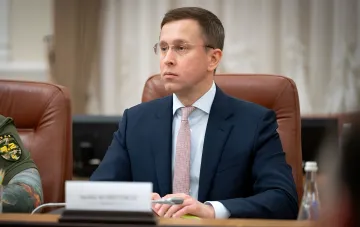
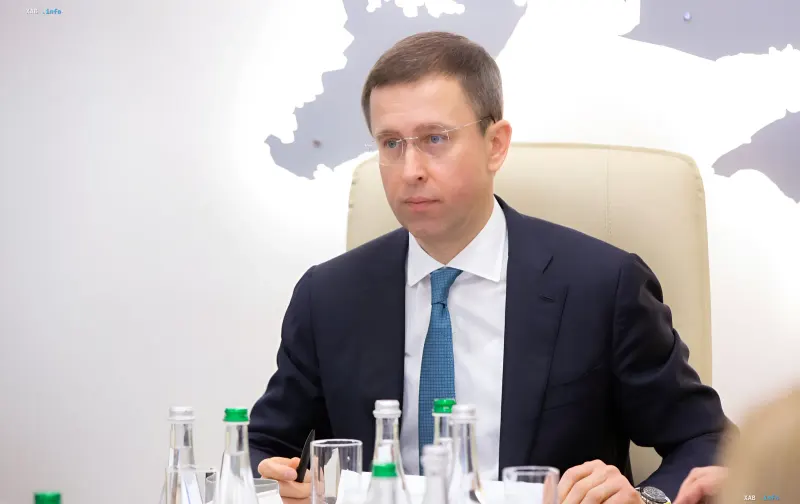
Official confirmation came from Prime Minister Serhiy Kuretskyi. As reported by RBC-Ukraine, the current system, which allows the import of goods costing up to €150 without paying value-added tax, will be reviewed. The main goal of the new regulation is to harmonize Ukrainian legislation with the norms of the European Union.
Equal conditions for business
The essence of the proposal is to create a fair competitive environment. Currently, foreign sellers have a significant advantage over domestic manufacturers due to the absence of tax payments on small amounts. Abolishing this privilege is intended to support Ukrainian manufacturers, who are forced to compete with foreign giants on unequal terms.
It is important to note that private individuals will not be affected. The bill provides for the preservation of benefits for gifts. Goods sent as gifts and costing up to €45 will continue to cross the border without taxation.
Budget and national security
The economic effect of the reform is estimated at significant amounts. According to government forecasts, the implementation of the bill will ensure additional revenue to the state budget of more than 10 billion hryvnias annually.
These funds will not remain in the "general pot" but will be directed to priority tasks:
- Financing of defense;
- Ensuring the stability of the state system;
- Economic development.
Transition period until 2027
Despite the relevance of the issue, legislators do not plan to implement changes in "emergency" mode. If the deputies support the initiative, the new rules will not come into force before 2027.
Such a time lag is necessary for all market participants — from large marketplaces to logistics operators and courier services — to have time to adapt their business processes to new realities. The government has also instructed the Ministry of Finance and relevant departments to conduct detailed work with parliamentary committees and factions, as well as to explain the norms of the bill to the general public.