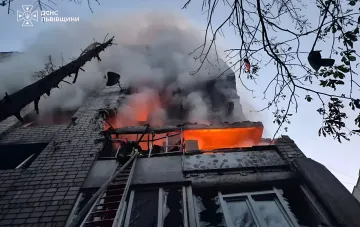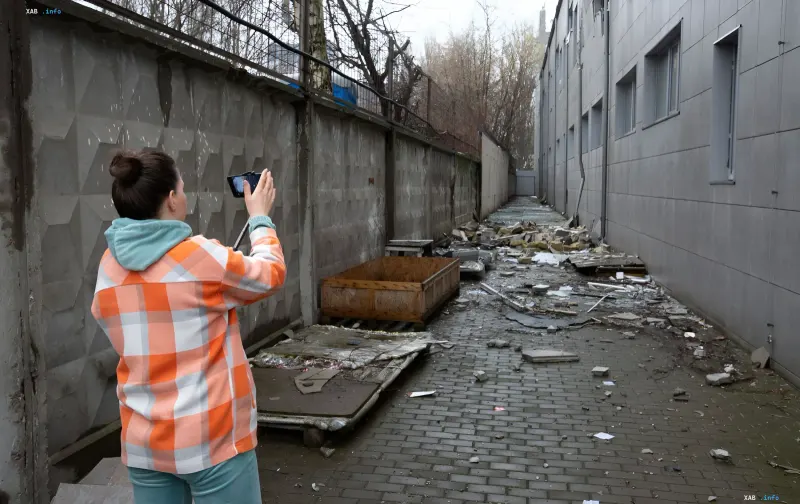
Regular enemy shelling continues to damage Ukraine's infrastructure, destroying and damaging residential buildings in Kyiv and other cities. In the conditions of the ongoing war, it is critically important not only to physically restore buildings but also to accurately account for the damage inflicted. The ability of citizens to receive state compensation depends directly on the reliability of the data.
The Verkhovna Rada has clarified the mechanisms of the destruction accounting system, debunking rumors that Kyiv allegedly lacks a unified list of damaged objects. Elena Shulyak, Head of the Verkhovna Rada Committee on State Power Organization, Local Self-Government, Regional Development, and Urban Planning, confirmed: the country operates a single verified state tool — the Registry of Damaged and Destroyed Property (RDSP).
How the destruction accounting system works
According to information provided by Shulyak, the process of documenting damage has clear regulations. Citizens cannot independently enter data about destruction into the state registry. Instead, the procedure is as follows:
- Homeowners submit information messages and applications through the digital portal «Diya».
- Within 30 days, special commissions at local self-government bodies are obliged to inspect the object.
- Commissions examine the house and documentally confirm the fact of destruction or damage.
- Only after verification is the data entered into the RDSP.
It is this registry that became the foundation for launching the «єВідновлення» (eRestoration) compensation program. Without registering the object in the RDSP, the program cannot operate. Shulyak emphasized that discussions about creating new registries are meaningless, as the state tool has already been created and is functioning.
The problem of data quality
The key problem today lies not in the absence of an accounting system, but in how fully and qualitatively local authorities populate the existing registry. According to the deputy, Kyiv, like other regions, must enter addresses of damaged houses, information about the nature of the destruction, and the technical condition of the objects into the system.
As of mid-July, more than 400,000 compensation applications from Ukrainians whose housing was damaged or destroyed have been recorded in the RDSP. Shulyak noted that the relevant ministry uses information from the registry to plan restoration work and allocate funds.
The politician also called on local authorities to be more open. She stated that nothing prevents local self-government bodies from publishing the entered data and informing residents about the real number and condition of damaged houses. This would allow for a public discussion based on verified figures, rather than assumptions about the lack of information.
The ability of the state to assess the scale of destruction and effectively implement the restoration program depends directly on the reliability of the entered data. It was previously reported that Ukrainians will be able to document damaged property through a simplified procedure, which should accelerate the process of receiving payments.