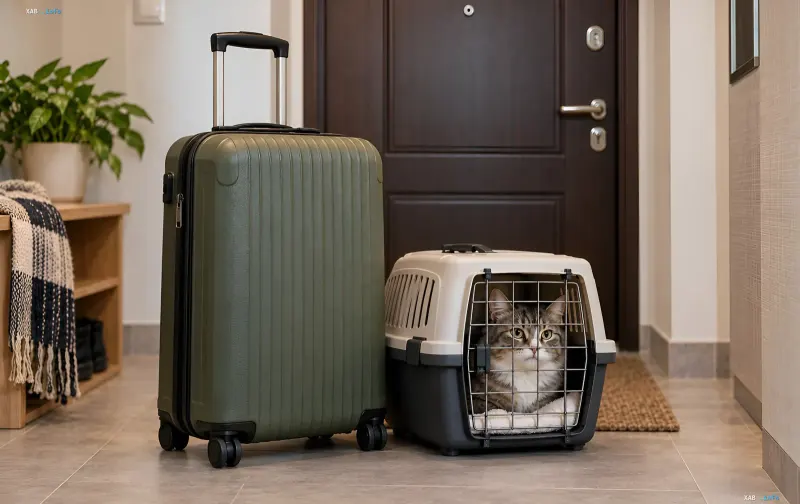
The housing rental market in Ukraine remains one of the most sensitive segments, where having pets often becomes a decisive factor for a landlord when making a decision. A fresh study by OLX Real Estate, conducted in August 2026 and published by RBC-Ukraine, has documented a systemic problem: nearly two-thirds of people looking for an apartment with pets faced rejections or significant difficulties in their search. At the same time, survey data shows that actual property damage from living with pets occurs significantly less frequently than many landlords assume.
Scale of the Problem: From 73% Difficulties to Complete Rejection
According to the survey results, 89% of landlords pay attention to whether long-term rental applicants have pets. This means that the question of a pet has effectively become a standard element of dialogue between the parties. In turn, 73% of respondents who searched for housing with pets encountered various difficulties: for 26% of them, the search proved «very difficult,» while for 47% it was accompanied by certain obstacles. Thus, almost every third potential tenant with an animal experiences the apartment-hunting process as a full-fledged stress factor rather than a routine procedure.
Experience of Renting with Pets: Who Rents and with Whom
48% of respondents who took part in the study have experience renting housing with animals. The structure of preferences shows that the most common option is living with cats: 24% of respondents rented an apartment with cats. Dogs take second place with 14%, and 11% indicated having other types of animals. These figures confirm that renting with pets is not a marginal practice, but a stable market segment that requires clear rules of interaction from participants.
Realtors as Intermediaries: Where the Chain Breaks
The interaction between realtors and property owners plays a key role in the success or failure of a deal. According to the study, in 36% of cases, the agent failed to convince the owner to allow living with an animal. In another 40% of situations, no negotiations with the owner were conducted at all. 15% of respondents admitted that they lacked arguments or experience themselves for a productive dialogue. At the same time, 27% of respondents noted that the realtor completely helped find suitable housing, 34% received partial support, 20% received no help at all, and 19% searched independently. These data indicate uneven service quality on the market and the need to standardize the approach to renting with pets.
The Myth of Destructive Impact: What the Statistics Say
Landlords' fears regarding the condition of the apartment after living with animals are not always confirmed by the actual experience of tenants. According to the study, 47% of those who rented housing with pets did not encounter property damage. Minor damage was reported by 44% of respondents, and severe damage by only 9%. In cases where damage was recorded, 34% of tenants partially repaired or replaced damaged items, 29% completely changed damaged things, 23% compensated for losses with monetary funds, and in 11% of cases, expenses were covered by the deposit. Only 3% noted that the owner did not demand compensation. These figures indicate that in the vast majority of cases, pets do not cause critical damage, and minor household marks are easily eliminated.
Expert Recommendations and Market Context
Oksana Ostapchuk, head of OLX Real Estate, recommends that tenants inform the owner about having a pet in advance, discuss living conditions in detail, and record all agreements in a written contract. She advises property owners to indicate in advertisements whether they are willing to rent an apartment to people with pets in order to reduce the number of unproductive contacts. On a broader level, the rental market in Ukraine in 2026 is undergoing noticeable changes: two months before the survey, the number of apartment rental listings in Kyiv increased by 66%, in Odesa more than threefold, while in Chernivtsi, Uzhhorod, and Ivano-Frankivsk supply decreased. Experts associate these fluctuations with internal migration and the population's preparation for the winter season, which makes the issue of transparent rules for renting with pets even more relevant for both sides of the market.