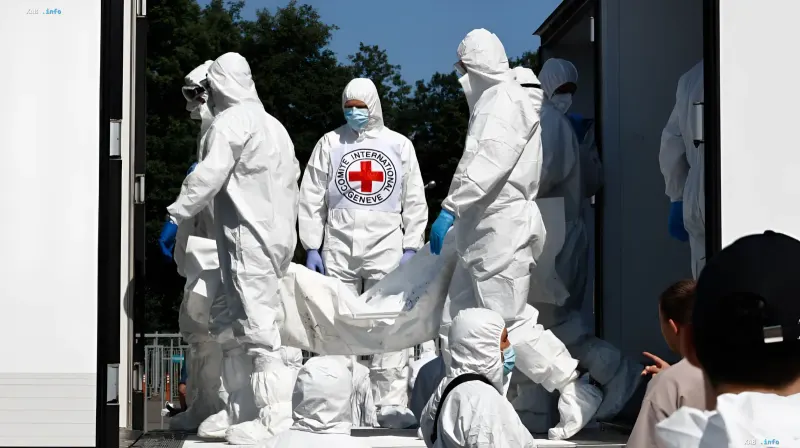
Large-scale repatriation at the border
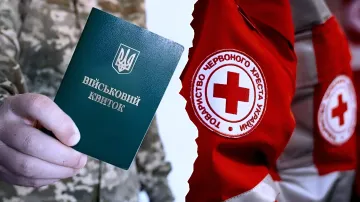
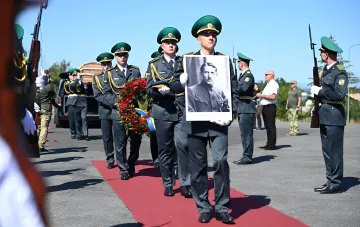
On August 13, 2026, the Coordination Headquarters for POW Affairs officially confirmed the conduct of a large-scale humanitarian operation. During the event at the Ukrainian-Belarusian border, through the "Nova Huta" checkpoint, the bodies of 261 people were returned to Ukraine. According to official statements from the Russian side, these remains belong to deceased Ukrainian servicemen. The repatriation procedure was carried out with the direct assistance of the International Committee of the Red Cross (ICRC), which traditionally acts as a key intermediary in such matters.
For its part, Ukraine transferred the remains of 24 deceased servicemen to the Russian side. This exchange became the first major event of its kind in the last month, not counting the previous repatriation that took place on July 16. The operation was conducted within the framework of existing humanitarian protocols, which allow the parties to interact even under conditions of an ongoing conflict.
Safety protocols: from mines to DNA tests
All repatriated bodies have already been accepted by specialists of the Joint Center for Civil-Military Cooperation of the Armed Forces of Ukraine and are being transported to specialized institutions of the Ministry of Health. However, the transfer of remains to relatives will be postponed until the completion of a complex identification process. The department emphasizes that the procedure will be long and thorough, due to the need for a total engineering and sapper inspection and DNA examination.
Before transporting the remains to morgues and laboratories, specialists are obliged to check for the presence of explosive devices. The practice of 2025–2026 recorded cases where Russian military resorted to mining the bodies being transferred. In addition, law enforcement agencies and forensic experts conduct mandatory identification of the person to exclude attempts of forgery.
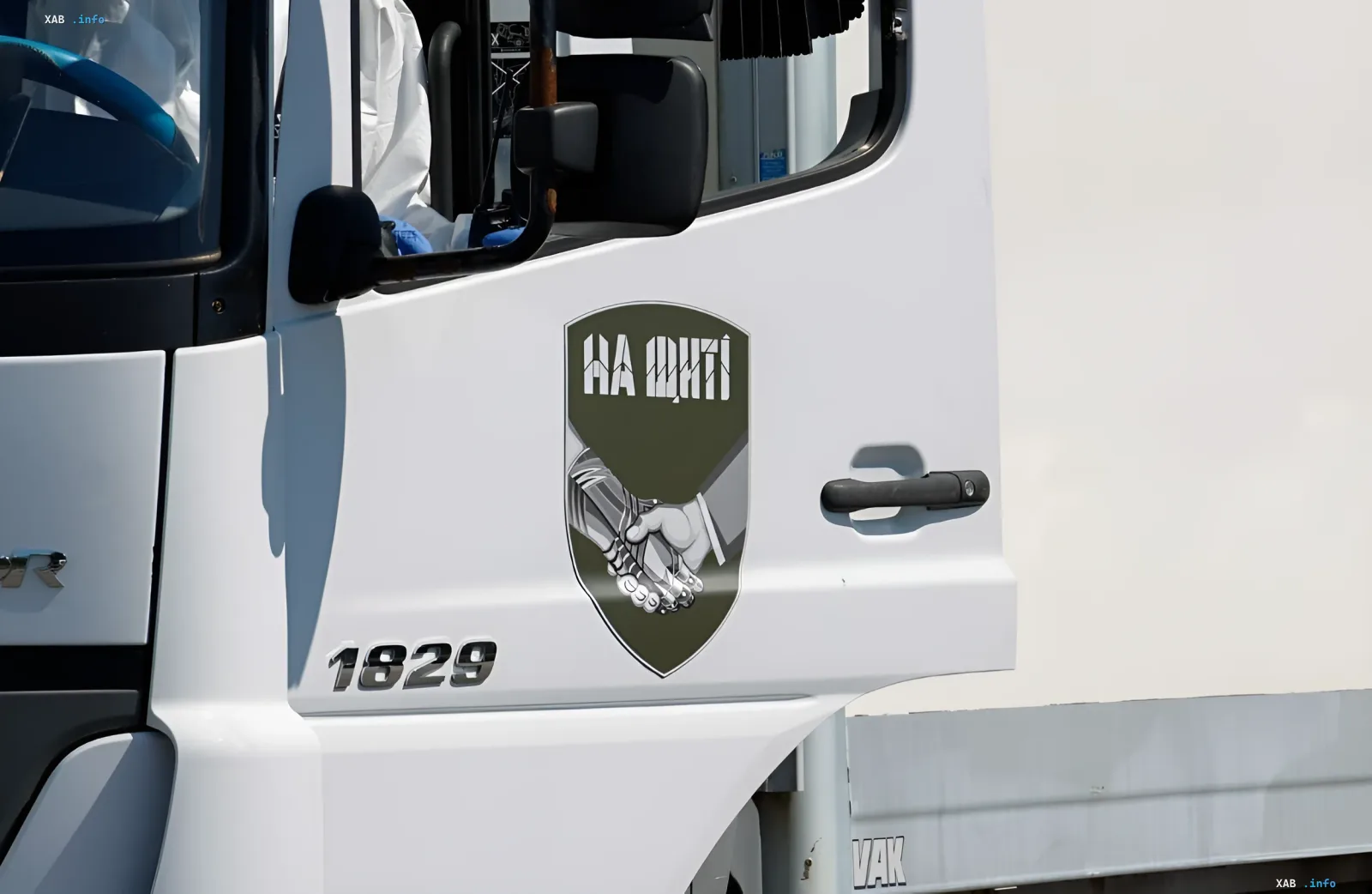
Contradictory data and risks of forgery
In the course of analyzing information about the repatriation, significant nuances regarding the composition of the transferred bodies were revealed. The Coordination Headquarters classifies the received remains as "bodies that, according to the Russian side, belong to Ukrainian servicemen." However, unofficial sources in the department note a high risk that among them there may be bodies of deceased Russian citizens.
There is a version that Moscow may deliberately mix the bodies of its soldiers with Ukrainian deceased. According to Ukrainian analysts, the goal of such manipulations is the artificial concealment of the real scale of losses from the domestic consumer, as well as preventing compensation payments to the families of the deceased on the territory of the Russian Federation. This creates a need for a strict audit and cross-check of all biological samples.
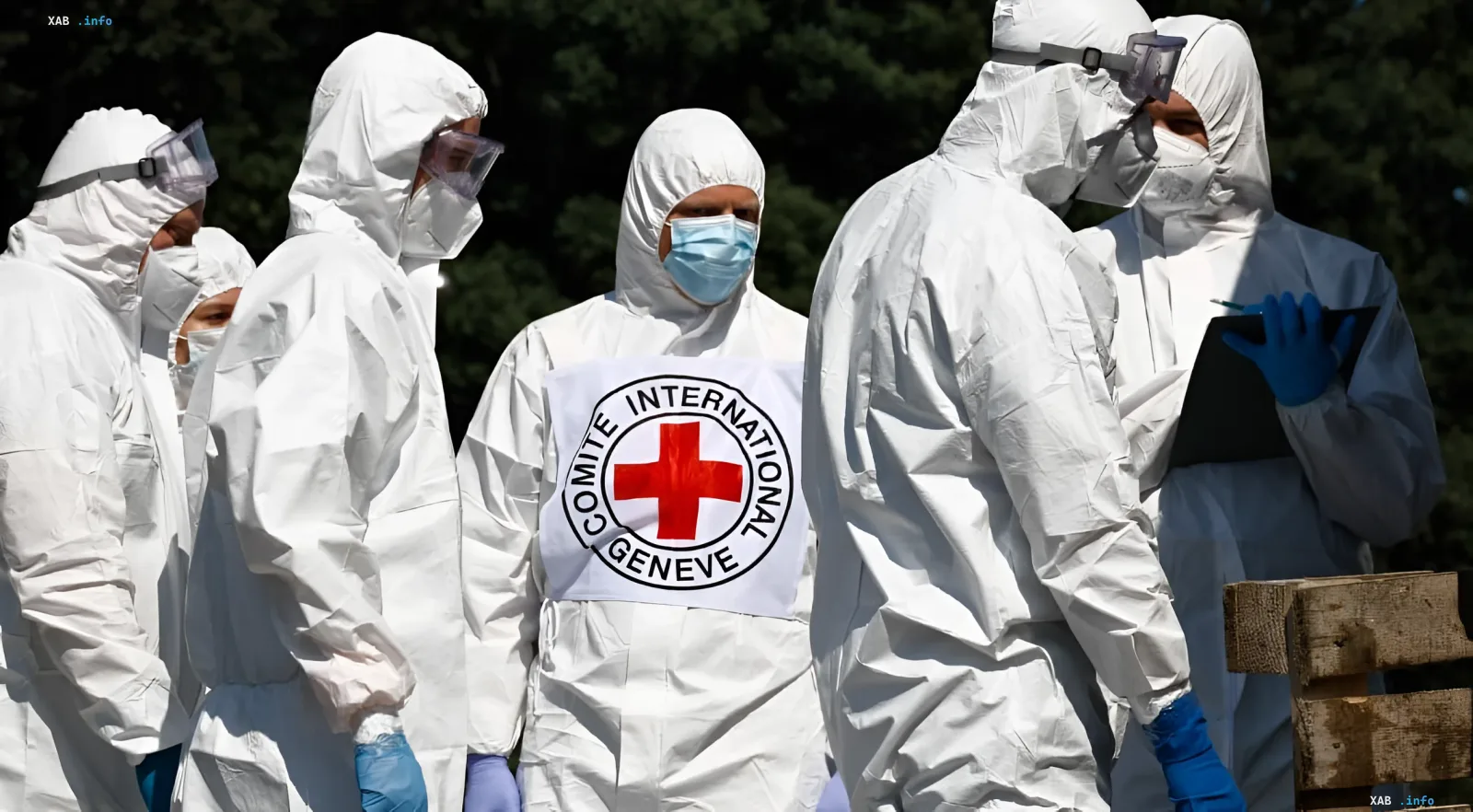
Humanitarian context and problems of prisoners
Regular repatriation of the bodies of the deceased remains one of the few stably functioning channels of direct humanitarian interaction between Ukraine and Russia. This mechanism is based on closed agreements reached with international mediation during the Istanbul rounds of negotiations in May-July 2025. Despite the tension, this "humanitarian corridor" allows the parties to fulfill their obligations to return the remains.
Simultaneously with the repatriation, the discussion around the conditions of detention of living captives intensified. On the eve, on August 12, Ukrainian Ombudsman Dmytro Lubyneets stated that 375 names have already been added to the official verified list of Ukrainians who died directly in Russian captivity due to torture, exhaustion, or lack of medical assistance. Part of the bodies from today's package (261) may belong to this category, which will require detailed forensic fixation of traces of war crimes.
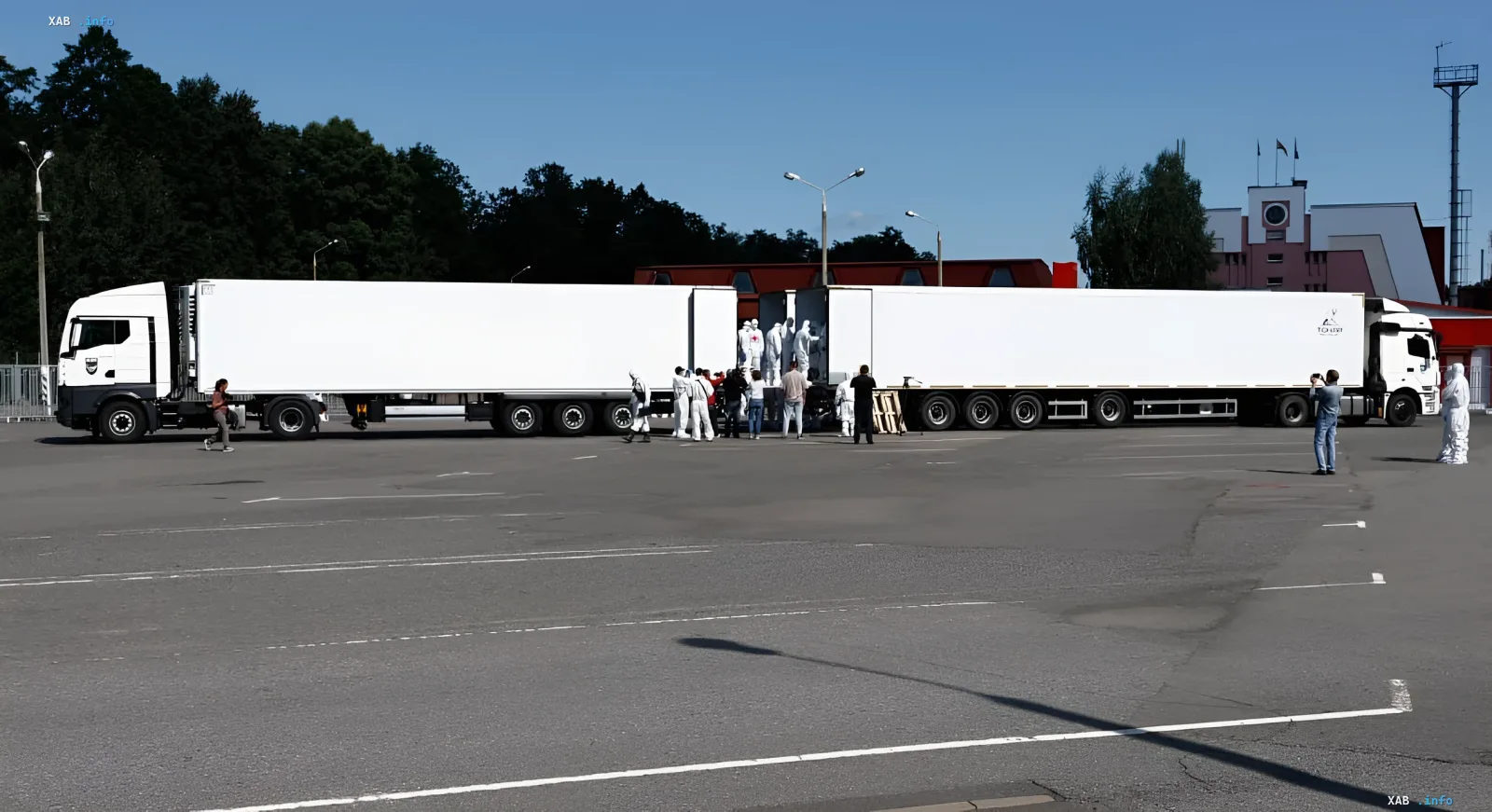
Load on the expert system
The Government of Ukraine asks the families of the missing to be patient, as the process of final identification may take a significant amount of time. According to the Ministry of Internal Affairs, thousands of bodies have been repatriated to Ukraine during the full-scale war, which has led to an overload of the forensic expert system. The process of matching DNA profiles with relatives and the legal registration of the status of the deceased to receive state compensation can last from several months to a year.