New Threat to Global Food Security
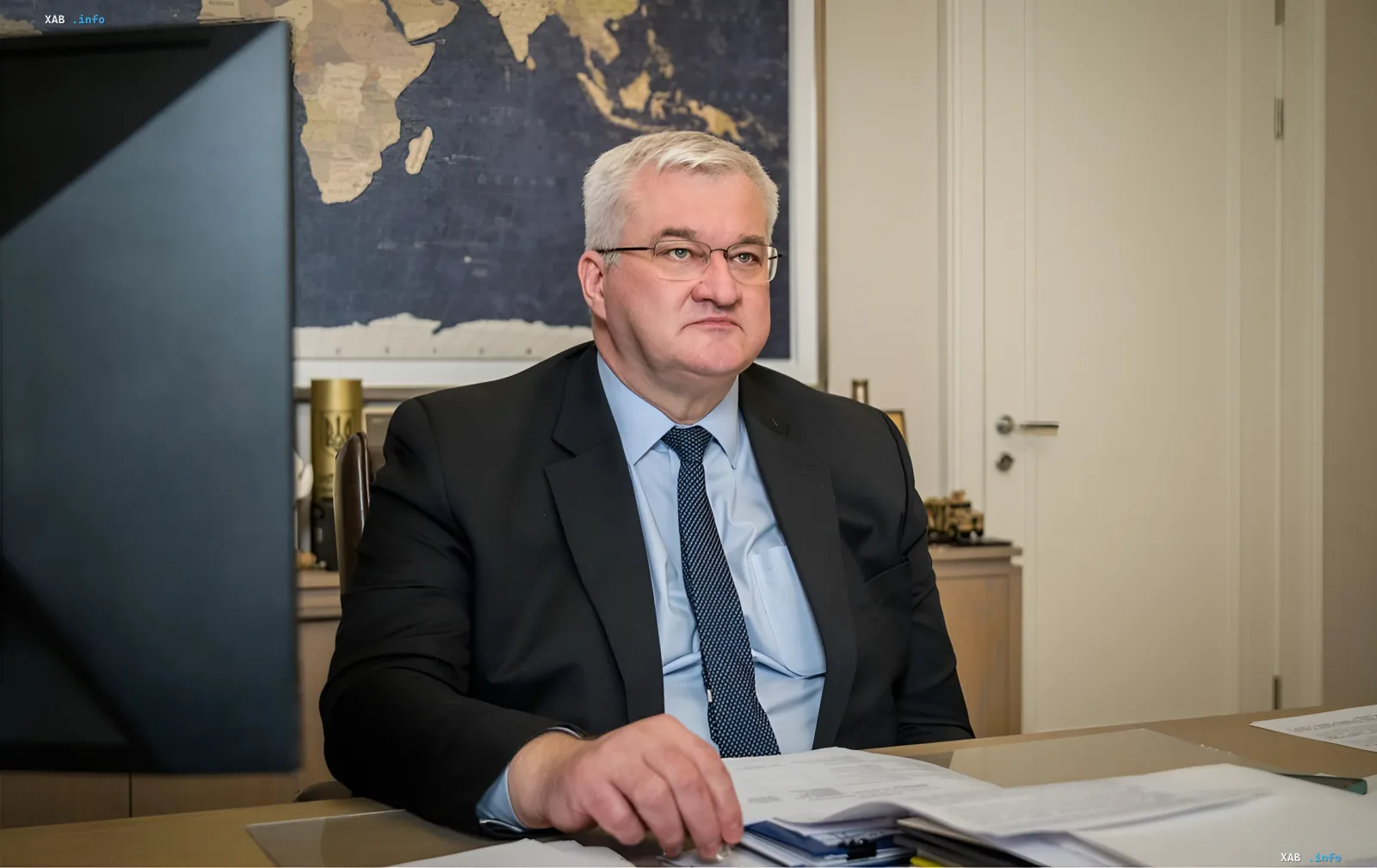
Amidst the escalating situation in the Black Sea, Ukraine's Acting Minister of Foreign Affairs, Andriy Sybiga, has warned the international community of a critical danger. In a statement published on August 6, 2026, the diplomat noted that Russia is attempting to recreate the 2022 scenario by resuming large-scale attacks on civilian vessels in Ukrainian ports and along the maritime corridor. According to Sybiga, the consequences of such actions could be comparable to the global crisis that arose at the beginning of the full-scale invasion.
The Minister emphasized that following the blockade of Ukrainian seaports in 2022, the global food price index rose by more than 25%. This led to acute food insecurity for millions of people worldwide. Currently, Kyiv believes that Russia is deliberately seeking to destabilize the situation by striking merchant vessels, creating a threat of a repeat humanitarian catastrophe.
Call to the International Community and Pressure on Moscow
Andriy Sybiga urged countries and regions that could suffer from such actions to openly state their position. He appealed to the international community to increase pressure on Moscow to force it to stop attacks on freedom of navigation and global food security in the Black Sea. Specifically, Kyiv insists on the urgent convening of a UN Security Council meeting to discuss measures to protect civilian shipping.
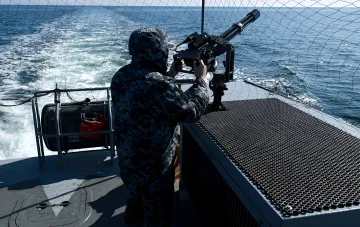
On July 27, 2026, the UN Security Council already held an emergency session due to Russian attacks on civilian vessels in the Black Sea. At that time, Sybiga noted that Russia was trying to turn the Black Sea into a hotspot of destabilization by deliberately striking civilian merchant vessels. However, despite these efforts, the situation remains tense, and Ukrainian maritime exports have effectively come to a halt.
Consequences for the Ukrainian Economy and Global Trade
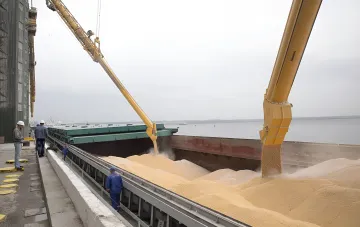
Due to attacks on port infrastructure and foreign commercial vessels, Ukrainian maritime exports have effectively stopped. This not only strikes a blow to Ukraine's economy but also creates serious problems for global trade. The export of grain and other agricultural products, which previously played a key role in ensuring food security for many countries, is now under threat.
The situation is exacerbated by the fact that Russia continues to use terror tactics against civilian shipping, making the safe functioning of maritime corridors impossible. This leads to rising food prices and creates risks for stability at the global level.
Contradictory Data
There are discrepancies in the versions of events between Ukraine and Russia. Kyiv claims that Russia is deliberately attacking civilian vessels to create a threat to global food security. Meanwhile, Moscow states that its actions are aimed at protecting national interests and combating illegal activities in the Black Sea. These contradictions complicate the search for a diplomatic solution and require careful fact-checking by international organizations.
Reaction of International Partners and Prospects for De-escalation
The international community is reacting to the situation with concern. In particular, the Head of the Ukrainian Ministry of Foreign Affairs, Sybiga, held telephone talks with representatives of Iran to de-escalate the conflict related to attacks on ships. Condolences were also expressed regarding the death of Azerbaijani citizens in the Black Sea, highlighting the humanitarian aspect of the problem. However, despite these efforts, the situation remains tense, and additional measures are needed to ensure the safety of sea routes.