The war between Russia and Ukraine has entered a dangerous new phase, with consequences extending far beyond the European continent. According to experts, the conflict has transformed into a direct threat to global food security. At the center of attention is the Black Sea, through which a significant portion of the world's wheat supplies traditionally passes. Alexander Gabuev, an expert at the Carnegie Center, warns in an article for the Financial Times that mutual strikes on port infrastructure and ships could lead to a collapse in agricultural exports.
New Tactics: Strikes on Logistics
The situation in the region intensified in August 2026. While Ukraine had previously focused on stabilizing the 1,250 km front line and conducting long-range strikes, priorities shifted in July. Kyiv began targeted attacks on Russian ships exporting agricultural goods via the Black Sea, as well as port and railway infrastructure in the Sea of Azov. Russia's retaliatory actions include intensified missile strikes on Ukrainian ports and the sinking of ships heading to Odesa. As a result, the logistics chains of both countries are under threat of complete disruption.
Critical Blow to Novorossiysk
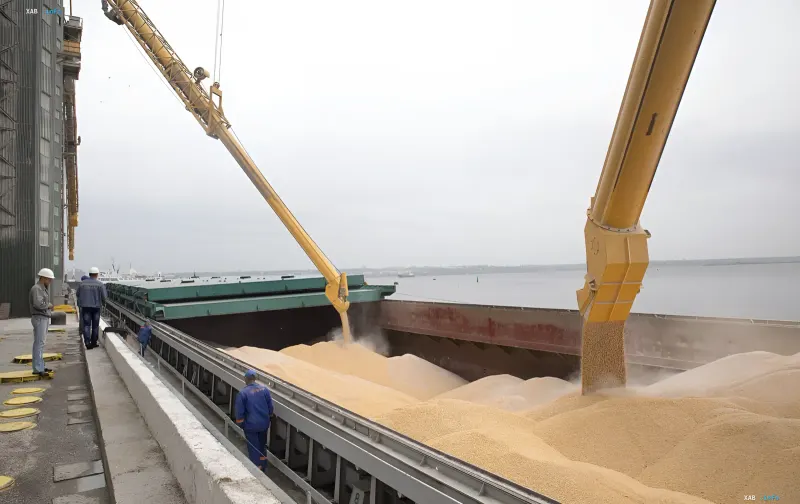
One of the most resonant events in recent weeks was the destruction of all three grain terminals in the port of Novorossiysk. More than 40 percent of Russia's grain exports pass through these facilities. Authorities were forced to suspend shipments until repair work is completed. This event has become a catalyst for fears of wheat shortages in the global market, especially considering that Russia and Ukraine together control 27 percent of the world's export of this product.
Economic Context and Rising Prices
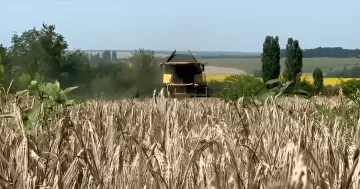
The current season has been extremely difficult for wheat producers worldwide. Fuel and fertilizer prices have risen against the backdrop of the conflict in the Persian Gulf, while recurring heatwaves have negatively affected harvests in Europe and the US. According to analysts, wheat prices have already exceeded 2025 levels by more than 25 percent and continue to rise. The UN forecasts that by the end of 2026, around 50 million people could face acute food shortages due to climatic factors alone. If this is compounded by a halt in exports from the Black Sea region, the consequences will be catastrophic.
Who is Interested in De-escalation?
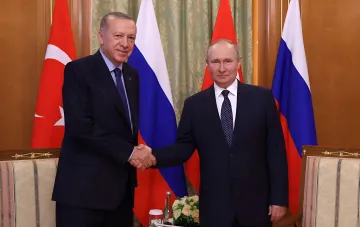
Experts note that the international community must exert pressure on both sides of the conflict to resume the tacit agreement on the free passage of grain. The military benefits of attacking port infrastructure are assessed as negligible compared to potential global losses. Countries in the Middle East and North Africa—Egypt, Turkey, Saudi Arabia, and the UAE—are particularly concerned, as they depend on supplies from the region. China and India, as well as Europe, seeking to avoid migration waves caused by hunger, are also among the interested parties.