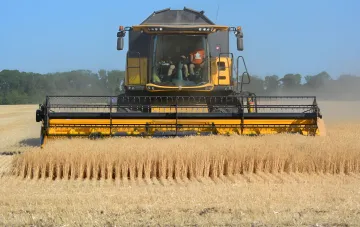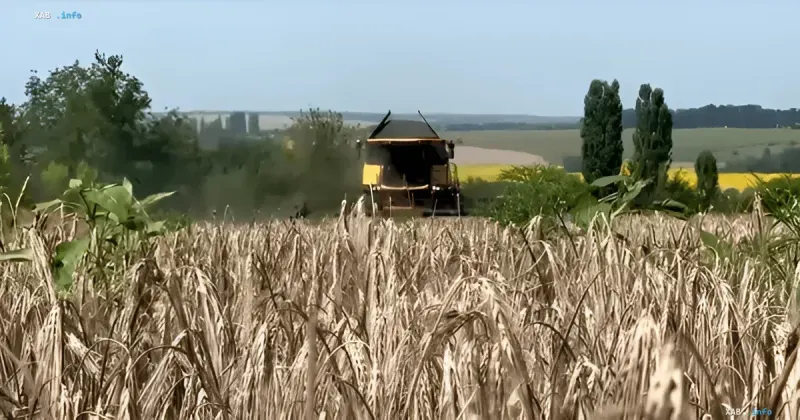
Wheat is a staple of the diet of billions of people: it is used to make bread, instant noodles, chapati and dozens of other products. In 2026, this crop is under simultaneous pressure from several factors: war, drought, rising production costs and the complication of transport routes. According to Oxford Economics forecasts, global food prices will rise by 11.8% this year and by a further 4.8% in 2027, with wheat potentially increasing by 36% year-on-year in the third quarter of the current year.
The Black Sea as a chokepoint in global trade
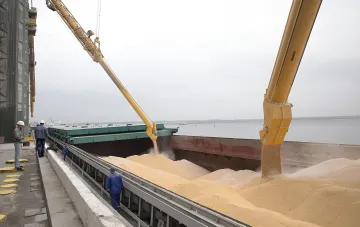
Russia and Ukraine supply almost 30% of the world's wheat exports, so strikes on ports, vessels and export facilities in the Black and Sea of Azov quickly ripple through international markets. According to Oxford Economics estimates, around 86 million tonnes of the two countries' annual grain exports are at risk — nearly 17% of global grain exports. Switching to alternative routes is difficult: drought is lowering water levels in the Danube and reducing vessel tonnage, Houthi attacks in the Red Sea are forcing ships to go around South Africa, and drought on the Rhine and the El Niño phenomenon are raising the risk of low water levels in the Panama Canal.
Drought hits yields in key regions
Hot weather and moisture shortages have already led to lower yields in many grain-growing regions. The European grain trade association Coceral has cut its forecast for grain production in the EU and the UK to 286.6 million tonnes, down from 310 million tonnes in 2025. Germany expects production to fall by 7%, and the US may record its lowest wheat harvest since 1970.
Rising costs: fuel and fertilizers
Farmers are facing higher input costs. According to Oxford Economics, global diesel prices rose by 36% year-on-year in July, while fertilizer prices are forecast to increase by 22% amid the conflict with Iran and disruptions in the Strait of Hormuz, which are hitting oil, gas and fertilizer-raw-material supplies. Under such conditions, high wheat prices do not guarantee higher profits for producers: some farmers may cut investment in the next harvest, which would prolong supply problems into 2027, while a strengthening El Niño would further complicate the outlook.
Who will be hit hardest and when will it show up on shelves
Last year's record harvest kept global stocks at a relatively high level and minimized the risk of an acute shortage, but it did not stop prices from rising: soft red wheat in the US became almost 25% more expensive in the first seven months, and according to FAO data, global grain prices in July were 6.9% higher than a year earlier. Fluctuations in raw-material prices usually show up in retail after a 6–9 month lag, so bread, pasta and other wheat-based products could become noticeably more expensive from the start of 2027. Import-dependent economies are especially vulnerable: Egypt buys most of its wheat abroad from Russia and Ukraine, while Bangladesh risks being forced to buy US wheat at higher prices after committing to increase imports to avoid Washington's tariffs.
Contradictory data
Analysts' assessments differ on the depth and timing of the impact. On the one hand, Oxford Economics and the FAO are already recording realized price increases (grain in July +6.9% year-on-year, US wheat +25% over seven months) and forecast a further spike in wheat to +36% in the third quarter. On the other hand, some analysts note that the market has not yet fully priced in the potential for a prolonged confrontation in the Black Sea, and last year's high stocks are acting as a buffer against shortages. Thus, some data suggest that the rise is already underway, while others indicate that the peak could be higher and later, depending on the dynamics of strikes on ports and on weather conditions.
The bottom line is this: last year's stocks give the market a temporary reprieve, but it is the development of the situation in the Black Sea, weather conditions and production costs that will determine how long this buffer lasts and how significant the blow to the food basket will be in 2027.