Against the backdrop of shrinking deliveries via the Black Sea, the European Union is actively considering alternative logistics schemes to support the export of Ukrainian grain. Brussels is in talks with Kyiv and neighboring states, striving to ensure the sustainable shipment of agricultural produce to the global market. As of September 3, 2026, the situation remains dynamic: several factors are at play simultaneously — restrictions in the Black Sea, abnormal heat, and low water levels in key rivers, which makes logistics more fragile and costly.
Solidarity Lanes and the Danube Problem
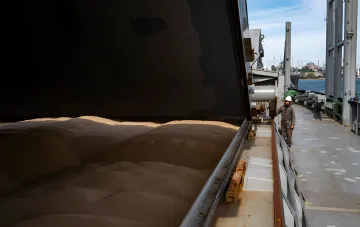
One of the workable options remains the so-called "solidarity lanes" — logistics routes created to ensure Ukraine's exports and imports by bypassing blocked directions. However, their use is now significantly complicated: the low water level on the Danube limits vessel navigability and reduces the throughput capacity of the water corridor. This forces the EU to seek additional land-based and mixed delivery options, which so far cannot fully compensate for the maritime volumes.
The Black Sea: Strikes and the Halt of Exports
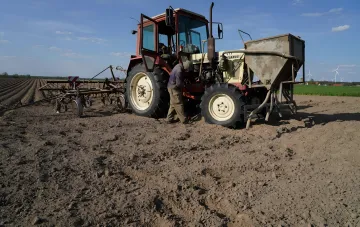
The logistics situation is unfolding against the backdrop of ongoing problems in the Black Sea. Strikes on port infrastructure have limited the export of agricultural produce from both Ukraine and Russia, and the blockage of maritime exports creates risks not only for current deliveries but also for the preparation of the 2027 sowing campaign. According to market participants, farmers are facing a shortage of working capital: grain sales are hampered, and there is not enough money for diesel, seeds, and fertilizers, which threatens the further production cycle.
Drought and Record Grain Prices
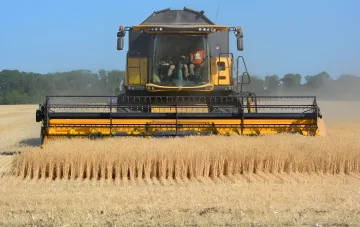
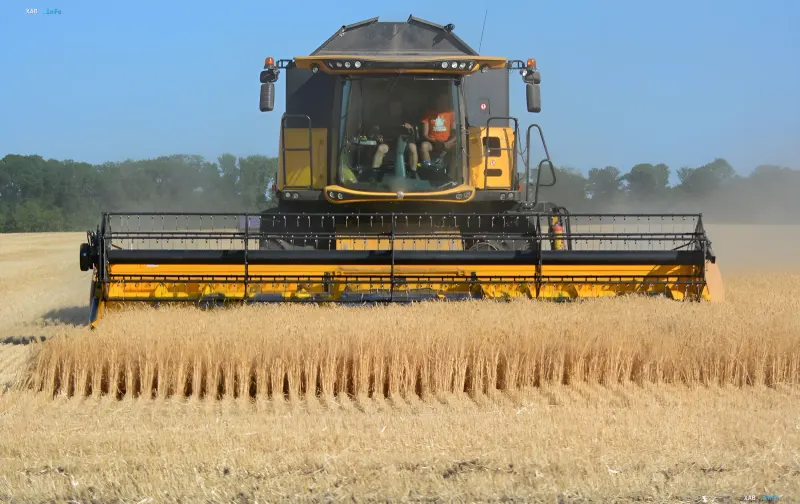
In parallel, the drought is leading to a reduction in agricultural production within the EU countries themselves, which intensifies pressure on the global food market. Prices for wheat and corn have risen to multi-year highs, driven by several factors at once: extreme heat, the geopolitical situation, and weaker harvests. According to estimates, wheat quotes have reached their highest level in the past three years due to the threat of a new escalation of the conflict and repeated risks to the Black Sea ports.
Support Measures for EU Farmers
The European Commission is preparing a package of measures aimed at helping farmers cope with the consequences of the drought and intense heat. The possibility of applying force majeure for individual farms is being discussed, along with the relaxation of a number of requirements for obtaining financing, an increase in aid under emergency fertilizer measures, and the early disbursement of funds under the EU's Common Agricultural Policy. According to European Commissioner for Agriculture Christof Hansen, the reduction in production within the Union could lead to a shortage of agricultural produce in other regions of the world, which makes supporting producers and diversifying export routes a priority.
Contradictory Data
The available materials contain discrepancies in the assessment of price levels: some formulations speak of "multi-year highs" for wheat and corn, while others refer to the highest level "in the past three years." These assessments are not identical and may reflect different time windows or different commodity groups. Moreover, regarding the geography of the restrictions, some sources point to the simultaneous contraction of exports from both Ukraine and Russia, whereas others focus primarily on Ukrainian ports. Until the data is clarified by official statistical bodies and regulators, both versions should be considered competing.
Outlook and Risks
The EU continues to seek solutions to support Ukrainian exports, which remain an important component of the global food market. The key risks remain dependence on weather conditions, the state of Black Sea logistics, and the ability of farmers on both sides of the conflict to ensure the 2027 sowing campaign. Given the simultaneous impact of drought, geopolitical restrictions, and rising prices, the market is preparing for a shortage scenario, which increases the importance of alternative routes and emergency support measures for the agricultural sector.