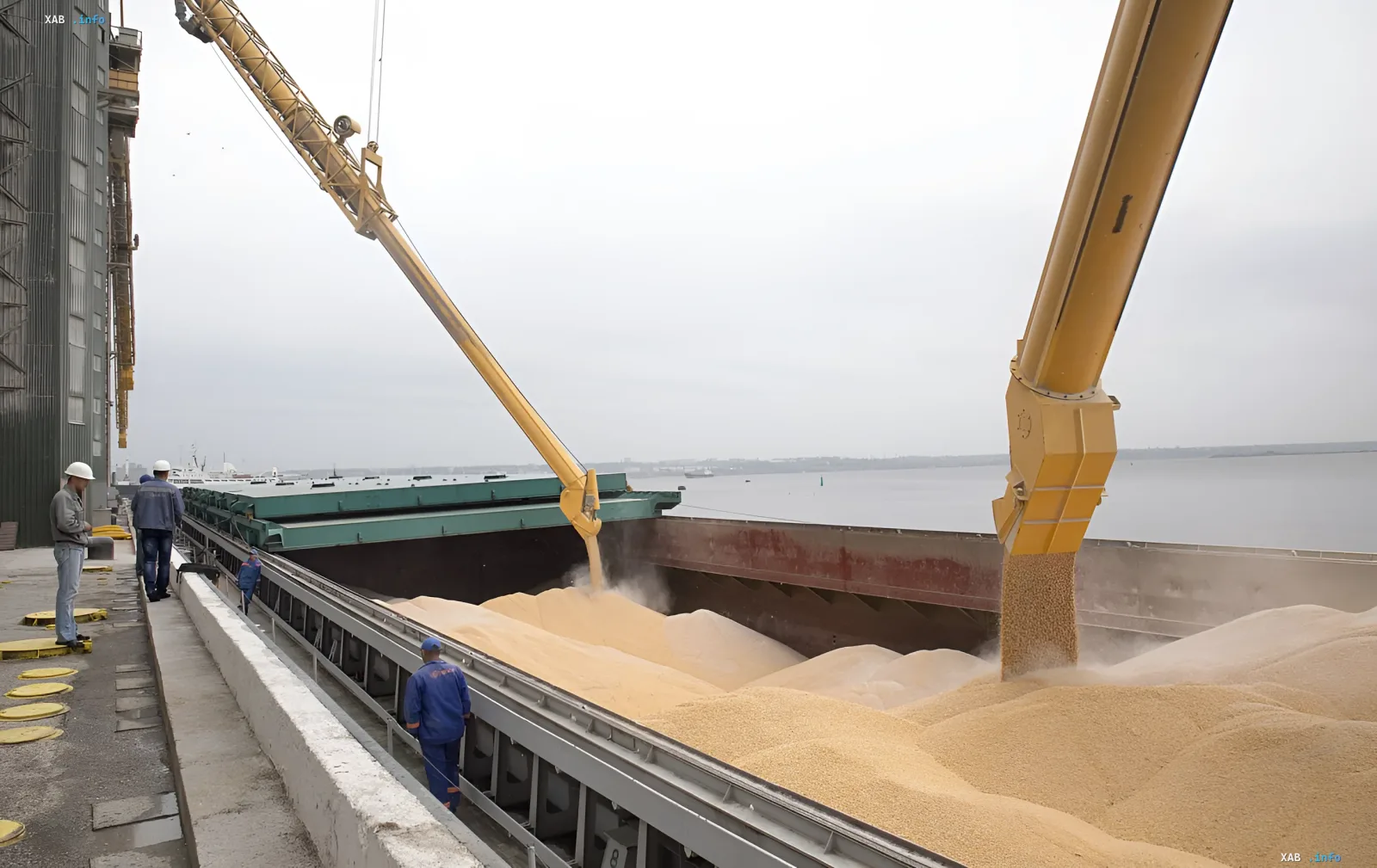
The global grain market has entered a phase of sharp price increases: wheat futures on the Chicago exchange have risen to their highest level since July 2023, marking a three-year peak. According to the publication, grain prices have climbed by roughly 18% over the past month, with daily gains reaching double digits in some sessions. The main driver of the move is concern that Russia is preparing to intensify strikes on Ukrainian infrastructure, which could once again paralyze logistics and exports through Black Sea ports — the key arteries of the global grain market.
Why the Market Is Panicking: A Bet on Shortage
Ukraine and Russia together account for more than a quarter of global wheat exports, so any threat to their port infrastructure is instantly reflected in prices. "The market is beginning to realize that exports through the Black Sea will be limited, and importers will have to adapt," noted Matt Ammermann, commodity risk manager at StoneX. In his assessment, as long as the security situation for shipping remains uncertain, pressure on prices will persist. Buyers are already redirecting orders to Australia and Argentina, but logistics from these regions are significantly more expensive, which further fuels prices.
Real Damage to Exports: Seasonal Figures
Words about risks are backed up by operational data. According to the Ministry of Agricultural Policy, agro-product exports from Ukraine in the current season stand at only about half of preliminary estimates — military operations have already caused substantial damage to ports and grain terminals. At the same time, shipments from Russia itself fell by more than 50% year-on-year in August amid logistical restrictions and sanctions. Chris Nicolaou, general manager of Advantage Grain, explained: "Russia and Ukraine have traditionally been low-cost suppliers. But now, with a significant portion of their output unavailable, consumers are in a difficult position." If shipping security in the Black Sea is not restored, price increases will continue.
Contradictory Data
The source materials contain a discrepancy in the exact size of the daily price increase: one fragment cites a 2.6% rise in futures to a three-year high, while another reports a 6.4% jump "in a single day." These figures likely refer to different trading sessions or different measurement methods (percentage change in price versus change in contract value), yet in the source text they are presented side by side, creating an inconsistency. In addition, certain industry reviews (for example, materials on the global grain and oilseed market) record volatility in wheat, corn, and soybean prices on Wednesday, but do not always provide identical percentages. Until exchange data is clarified, the exact size of the daily move should be treated as approximate.
Global Consequences and Support Measures
Rising grain prices create the risk of a new wave of food inflation, which will hit hardest the countries of the Middle East, Africa, and Asia that are critically dependent on cheap supplies from Ukraine and Russia. A prolonged maritime blockade threatens not only the current shortage but also risks to the 2027 planting season, as Ukraine remains one of the key suppliers of agricultural products to the global market. To support the agricultural sector amid logistical constraints, the National Bank of Ukraine has extended the maximum settlement period for exports of certain products from 120 to 150 days; the new rules are in effect until the end of August 2027 and apply to grains, oilseed crops, oils, and their processed products.