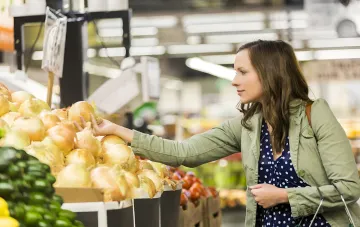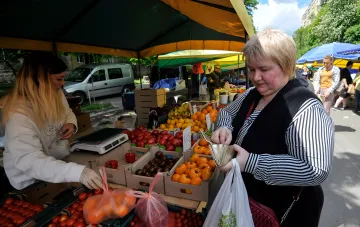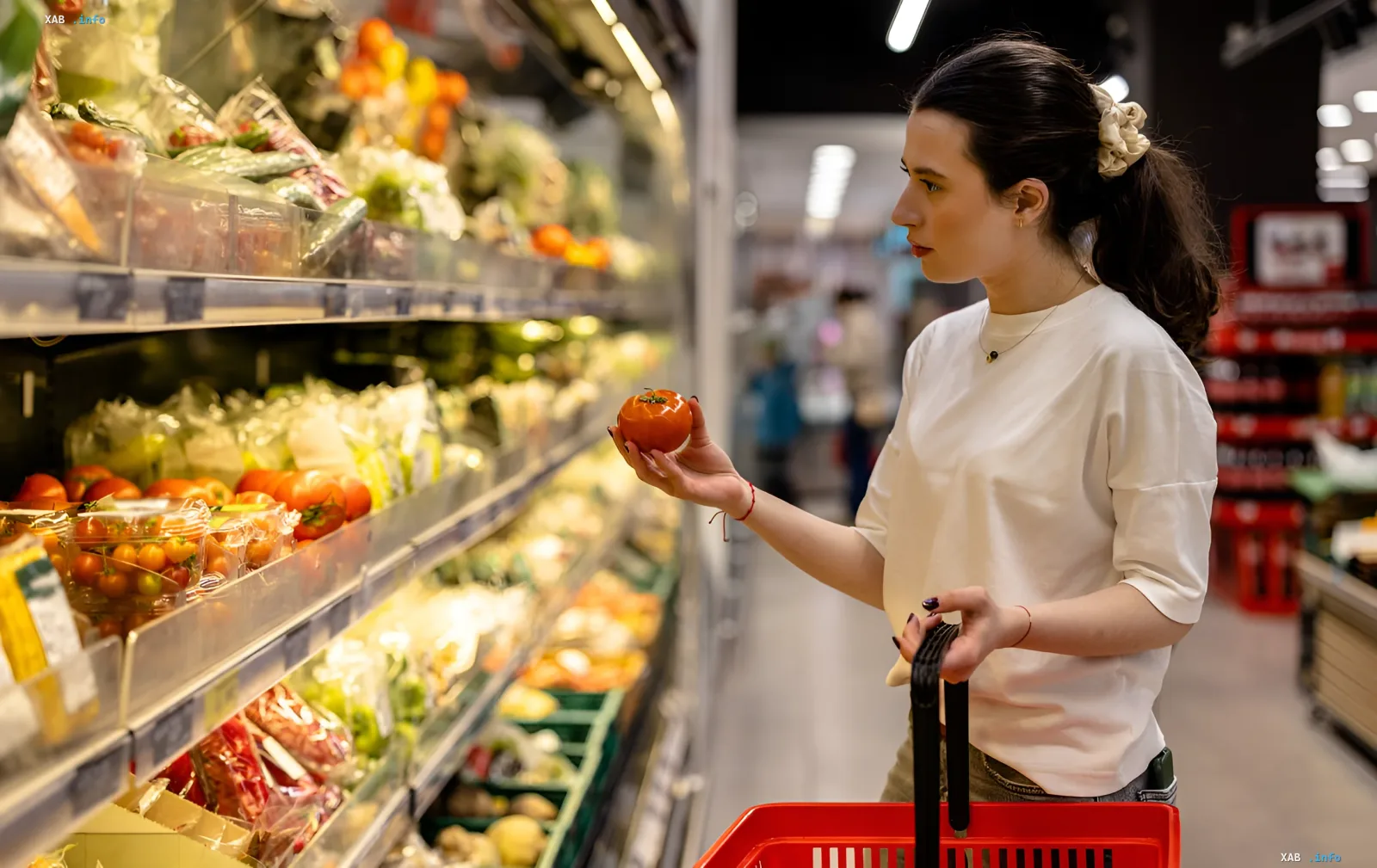
The Ukrainian market for the borscht vegetable set is going through a phase of seasonal price decline at the end of summer 2026. According to monitoring data, potatoes in August cost on average around 19 hryvnias per kilogram, and their price index fell by more than 20% compared to July. Carrots over the same period dropped from about 45 to 25.65 UAH/kg, beets — from 26.50 to around 17.50 UAH/kg, while onions, which cost over 40 UAH/kg at the beginning of August, fell to approximately 29 UAH/kg by August 26. Head of the analytics department of the Ukrainian Club of Agribusiness (UCAB) association, Maksym Hopska, emphasizes that in the short term — at the end of August and in September — no shortage of the borscht set is expected; on the contrary, "the seasonal factor of the new harvest is at work, and supply is increasing for most items."
Seasonal price decline: what is happening on the shelves now
UCAB expert Maksym Hopska states outright that "right now the borscht set should rather be getting cheaper seasonally or stabilizing, and the risk of a more significant price hike is shifting to winter." Deputy Chairman of the All-Ukrainian Agrarian Council, Denys Marchuk, confirms: "Thank God, we have a good harvest and no problems with the ability to sell through fairs and stores, so on the market stalls accordingly." In his assessment, the vegetable group will not show "some super-huge price spike" in September–October — at most 3–5%, and this increase will be driven not so much by the price of the product itself but by the cost of fuel for logistics.
Winter — the main price risk: greenhouse vegetables and energy
The key turning point, according to Denys Marchuk, will arrive "roughly at the beginning of November," when the market begins to be actively stocked with greenhouse vegetables in place of those grown in open ground. "And that is a completely different pricing than what comes from the garden bed," the expert clarifies. He explains that growing greenhouse crops requires "a very large consumption of light and heat," which inevitably affects the final price. In his forecast, the vegetable group may rise by 20–30% due to greenhouse vegetable supplies, and even more so in winter. Marchuk cites the electricity situation as an additional factor of uncertainty: "I don't know what the start of this winter or autumn will be like in terms of electricity supply. So these products will be rising in price in the autumn."
Contradictory data
The question of how pronounced the summer price decline of vegetables will be has not received a definitive answer in the expert community. Ukrainians traditionally expected a seasonal drop in vegetable prices during the summer, however, as RBC-Ukraine noted, "experts' opinions on the final prices have diverged somewhat." Both spring frosts, which could have affected early plantings, and general seasonal trends put pressure on the dynamics. Thus, although current monitoring figures record a decline, the degree of this price drop and its sustainability until the end of summer remain a matter of debate. Moreover, in a broader context, other sources record long-term growth: according to a number of analytical reviews, over the past four years the total cost of the borscht set has risen by 65–70%, creating a backdrop against which even a seasonal price drop is perceived as a temporary lull before the winter increase.
Related trends: buckwheat and logistics
In addition to vegetables, consumers are also paying attention to the situation with grains. RBC-Ukraine previously reported that there would be no buckwheat shortage in Ukraine, however, in the near future this popular grain could rise to 85 hryvnias per kilogram. The logistics factor, which Denys Marchuk names one of the drivers of even a slight autumn price increase for vegetables, also affects the cost of delivering grains and other products to the regions. The combination of these factors — from the harvest and greenhouse production to fuel and electricity prices — determines how noticeable the 2026–2027 autumn–winter season will be for Ukrainians' wallets.