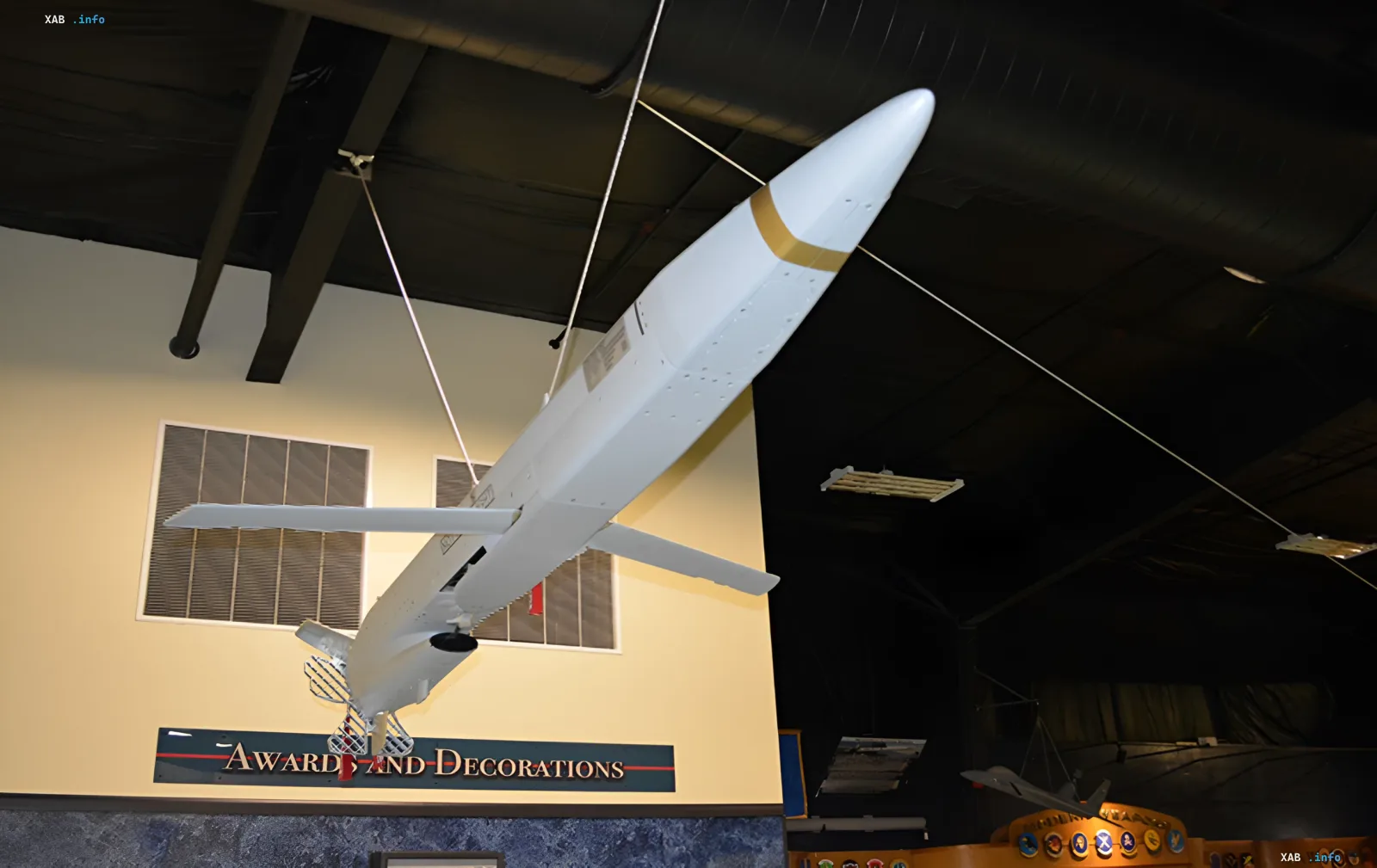
American defense giant Raytheon has officially announced the resumption of serial production of the ADM-160 MALD (Miniature Air-Launched Decoy) unmanned systems. These devices, known as decoy missiles, are designed to create false radar targets capable of misleading enemy air defense systems.
The Tactics of a 'Ghost' Strike
The essence of MALD operation lies in imitating the radar signature of real combat aircraft. When launched ahead of the main attack group, these low-observable drones force air defense operators to expend ammunition on false objects. On radar screens, the compact decoy appears as a full-fledged combat fighter, while the actual carriers, such as the low-observable F-35A, remain hidden from detection.
The system's effectiveness is particularly high when used in groups. A mass launch of decoys can create a false impression in the enemy that a large-scale air strike has begun before the main forces even reach the target zone.
Radar Deception Technologies
The system is based on an autonomous aircraft with its own TJ150 turbojet engine. The key element ensuring the 'magic' of deception is the Signal Amplification Subsystem (SAS), developed by North Grumman under DARPA projects.
This subsystem intercepts the enemy radar pulse and modifies it, changing three critical parameters to create a realistic illusion:
- Signal Delay and Separation: Allows for the imitation of the physical dimensions of an object. Thanks to this, a compact missile is perceived on the radar screen as a large aircraft.
- Doppler Modulation: Reproduces the specific reflection of radio waves from the blades of a turbojet engine, characteristic of a specific type of aviation equipment.
- Amplitude and Polarization Change: Models the dynamic reflection of the signal from the aircraft's metal skin during maneuvering.
Future of Production
The resumption of MALD production marks an important stage in the development of electronic warfare tactics. In the initial stages of production, Raytheon will use traditional TJ150 powerplants. However, the company is already planning a transition to new technologies: in the future, missile parts will be manufactured using 3D printing, which will allow for the optimization of the creation process for these high-tech systems.