Russian industry exceeded missile production plan
Despite ongoing sanctions and significant losses of aviation equipment, Russia not only continues but is also increasing the pace of missile weapons production. According to military intelligence, for the main types of missile weapons, the RF is currently fulfilling the monthly plan at a level of 110–120 percent. In July 2026, the situation became even more tense: the plan for the production of Kh-101 cruise missiles was exceeded by 140 percent, Kalibr missiles by 111 percent, and Kh-35 cruise missiles by 200 percent.
Deputy Head of the Main Directorate of Intelligence (GUR) of the Ministry of Defense of Ukraine, Major General Vadym Skibitsky, confirmed these data in an interview with RBC-Ukraine. He noted that there is no expectation of a pause in shelling Ukrainian territory in the near future, as the enemy has a stable production flow of ammunition.
Technical problems and logistics of strikes
Despite high production rates, the Russian side is facing technical problems. Skibitsky reported that not all missiles function upon launch. In particular, non-functioning Kh-101 missiles are sent back to production for inspection and defect elimination, which indicates problems with assembly quality or components.
At the same time, most of the produced Kalibr missiles are currently not used for direct strikes on Ukraine but are being directed to equip other fleets. All new warships and submarines of Russia are being equipped with these systems, effectively creating a strategic reserve. Ukrainian air defense, given a sufficient number of surface-to-air missiles, shoots down about 100 percent of Kalibr missiles.
Ballistic missiles and new threats
The situation with ballistic missiles remains critical. As of August 5, 2026, the stock of 9M723 (Iskander) missiles allocated for the troop grouping is about 130 units. The planned monthly production indicator is 60 units, however, 65 missiles were manufactured in July. This indicates a stable replenishment of the arsenal.
Particular concern is caused by the use of the RM-48U missile. This is a surface-to-surface missile, specially created for strikes against ground targets, but launched from S-400 SAM launchers. The enemy has organized its production: the plan for August is approximately 40 units, and estimated stocks reach 400 units.
Zircon, Onyx, and the halt of Kinzhals
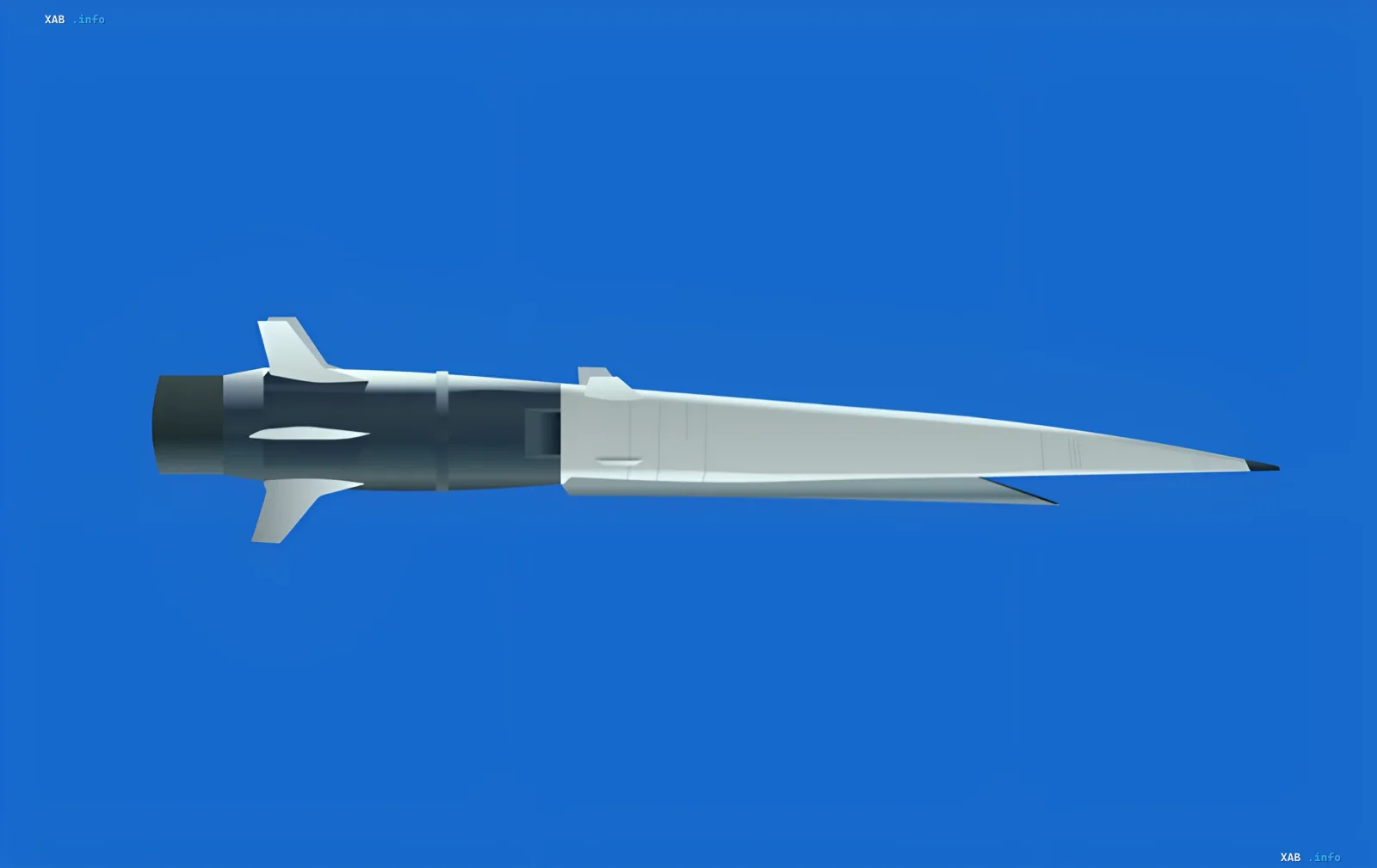
According to military intelligence, Russia fulfilled the annual plan for the production of hypersonic Zircon and Onyx missiles as early as the summer of 2026. In seven months of this year, 33 Zircon missiles and 60 Onyx missiles were manufactured in the RF. This confirms the thesis that Moscow is capable of regularly replenishing its arsenal with its own production.
At the same time, the production of Kinjal missiles was suspended. According to experts, the reason was low accuracy of hits. The released resources and fuel are now being directed to the production of other ballistic missiles, making strikes more massive and difficult to intercept.