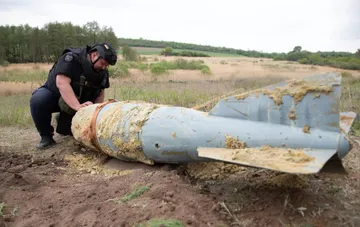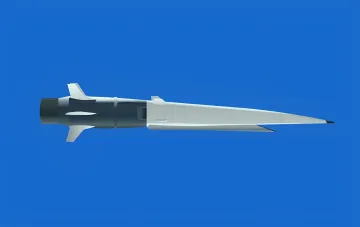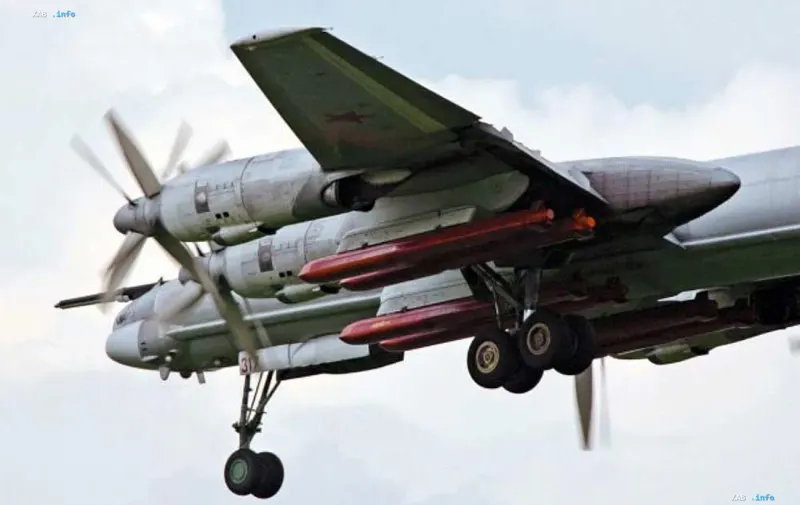
Over five years of full-scale military conflict, the Russian Federation has significantly ramped up the production of subsonic cruise missiles, increasing output rates by five to six times compared to pre-war levels. According to experts, current production capacities allow for the manufacture of approximately 60 Kh-101 missiles and a similar number of Kalibr missiles per month. These figures represent a dramatic shift from the 2021 limits, when annual production of each of these weapons types did not exceed 120 units.
Drivers of production capacity growth
Experts attribute the increased production rates to the adaptation of Russian industry and the active use of foreign-sourced components. According to Ivan Kyrychevsky, a serviceman and weapons expert, critical components—including engines, specialized equipment, and carbon fiber for drone hulls—are sourced directly from China. It is suggested that the Russian strategy of scaling up the war using long-range strike capabilities relies heavily on access to these external resources.
Continuity of missile technologies
Analysis of Russia's technological potential reveals that the missile industry has proven more resilient than the production of ground-based armored vehicles. Many modern weapons systems, such as the Kh-101 missiles and Iskander complexes, have deep roots in Soviet developments from the late 1980s. Experts believe that the Kalibr missiles resulted from the evolutionary development of Soviet S-10 Granat naval cruise missiles, adapted for standard 533mm torpedo tubes to expand submarine-launched capabilities.
Priorities of defense strategy
Despite initial expectations from many analysts regarding the degradation of the Russian industrial sector following the collapse of the USSR, current trends demonstrate the opposite process in the realm of aerial and missile-based strike assets. While Russian ground weaponry encountered the need to de-mothball older tank models during the conflict, the missile program received massive state support and technological re-equipping. This confirms the thesis that the focus was placed on remote methods of warfare.
Future implications
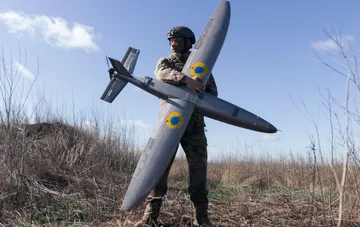
The build-up of missile and aviation strike assets points to a long-term Russian strategy of maintaining intense pressure on the adversary. In addition to cruise missiles, Russian forces are actively deploying jet-powered UAVs in significantly larger volumes, creating a cumulative burden on air defense systems. The future trajectory will depend on the ability of international structures to restrict the supply of critical components to the Russian defense industrial base and the effectiveness of countermeasures against these weapon systems.