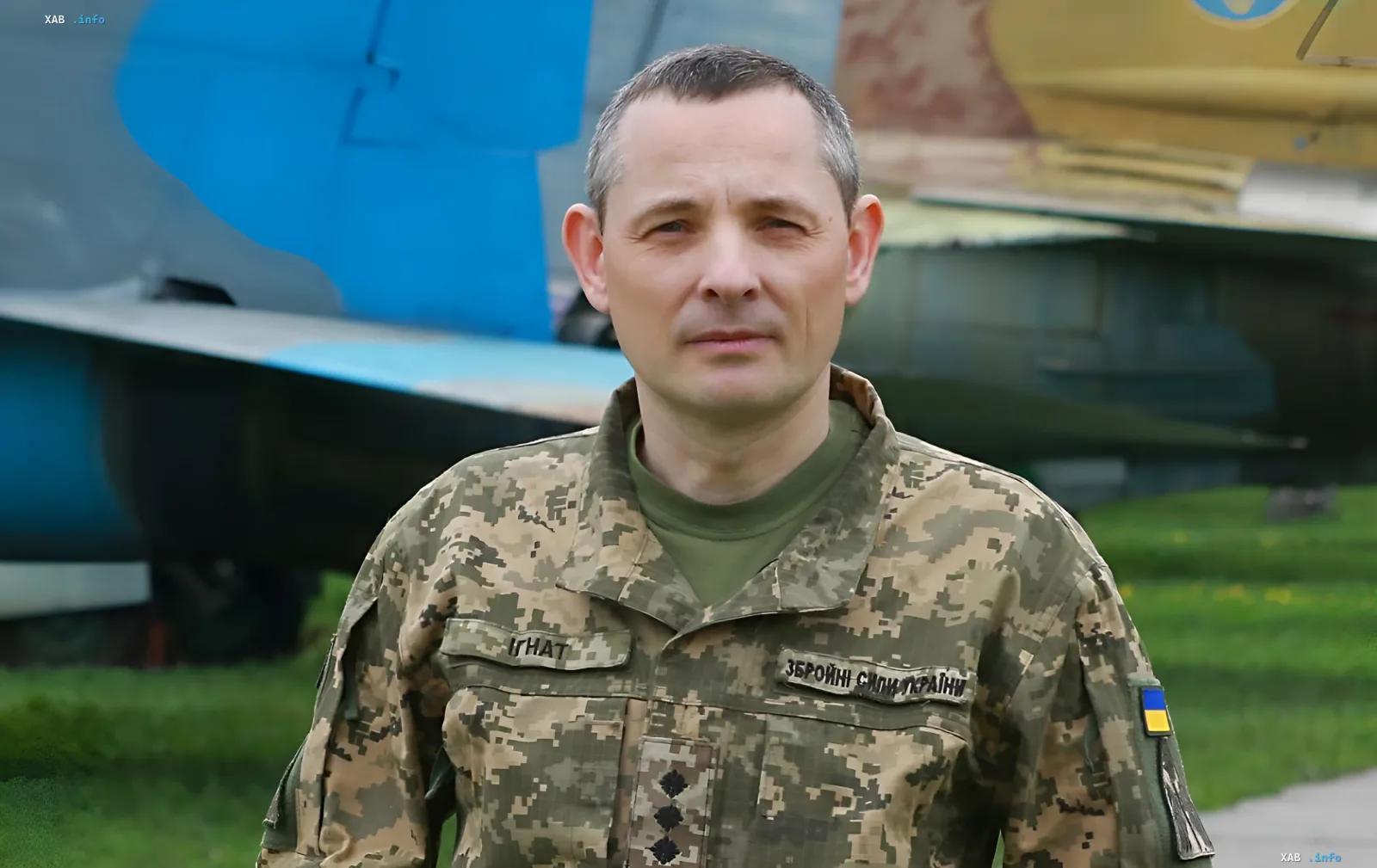
The Air Force Command of the Armed Forces of Ukraine has recorded a sharp change in the tactics of Russian aerial attacks: over the past four days, the enemy has deployed more than 1,500 unmanned aerial vehicles, of which around 800 were jet-powered models. This was stated on a TV marathon by Yuriy Ignat, Head of the Communications Department of the Air Force Command of the Armed Forces of Ukraine, who emphasized that Kyiv remains one of the main directions of the strikes. According to him, the Russian side has been carrying out attacks in waves of jet-powered drones for several days in a row, concentrating a significant portion of its firepower precisely on the capital of Ukraine.
Scale of the Attacks and the Dynamics of Growth
The key signal that Ignat drew attention to was a sharp spike in the use of jet-powered UAVs in July 2026: during this month, their number grew fivefold compared to June. This means that Russia is not merely adjusting its tactics but is deliberately scaling up the production and supply chain for more complex and expensive drones. The overall drone shoot-down rate, according to Air Force data, remains at 88–90%, however, it is precisely the jet-powered models that are significantly harder to intercept due to the specifics of their aerodynamics and flight profile, which effectively reduces the effectiveness of air defense against this class of threats.
New Tactics: From Psychological Pressure to Precision Targets
Ignat emphasized that the mass use of jet-powered drones represents a new Russian tactic aimed not only at exerting psychological pressure on the residents of the capital but also at striking specific objects. Among the possible targets are logistics centers, postal terminals, critical infrastructure facilities, and other strategic structures. Thus, according to the Air Force representative, each missile or drone has a specific task, and the attacks are not chaotic but systematic in nature.
How Ukraine Counters Jet-Powered UAVs
To intercept jet-powered drones, the Ukrainian side uses short-range surface-to-air missile systems, as well as aviation equipped with air-to-air missiles. It is precisely these means that allow for compensating for the increased speed and maneuverability of the jet-powered models, which develop a significantly higher speed on approach to the target than classic 'Shaheds' with an electric engine. At the same time, as noted by the Air Force, jet-powered 'Shaheds' are substantially more expensive than ordinary drones, yet Russia continues to increase the volume of their use, indicating that Moscow prioritizes tactical effect over economic expediency.
Production and Logistics: Markings on the Debris
Ukrainian specialists analyzing the debris of shot-down 'Shaheds' are recording markings on components dated just a few weeks before the moment of the attack. According to Ignat's assessment, this may indicate a high rate of production of new drones and their rapid dispatch to positions. If the data is confirmed by further analysis, it will indicate that Russia has built a sufficiently flexible production chain, allowing it to quickly replenish losses and increase the tempo of attacks.
Consequences for Kyiv and Kyiv Oblast
Against the backdrop of intensified aerial attacks, the authorities of Kyiv and Kyiv Oblast are considering the possibility of changing the curfew regime, as well as introducing differentiated air raid alarm signals depending on the nature of the threat. In parallel, new rules for the operation of transport and logistics during prolonged air raid alarms are being worked out. These measures are intended to reduce the social burden on the population and ensure a more flexible response to the changing tactics of the enemy.
Contradictory Data
The figures presented by Ignat — more than 1,500 UAVs in four days, around 800 jet-powered, a fivefold increase in July — are based on data from the Air Force Command and have not been independently verified by a third party. At the same time, the overall shoot-down rate of 88–90% refers to all types of drones in aggregate; for jet-powered models, as Ignat himself acknowledges, the interception effectiveness is lower, however, the exact figure for this subclass is not disclosed. The statement about the high rate of production, based on the date markings on the debris, is also an assessment by the Ukrainian side and may be disputed in the absence of independent expertise of the components. Nevertheless, the overall trend — the growth in the share of jet-powered drones in the Russian Federation's attacking arsenal — is confirmed by several Ukrainian publications and international observers.