Mass street protests in central Barcelona escalated into violent clashes with police, resulting in the detention of 128 people. The chaos began on Saturday around 18:00 near Catalonia Square, where groups of individuals in dark clothing started destroying urban furniture, quickly turning the situation into open violence accompanied by riots and looting.
Chronology of Clashes and Police Response
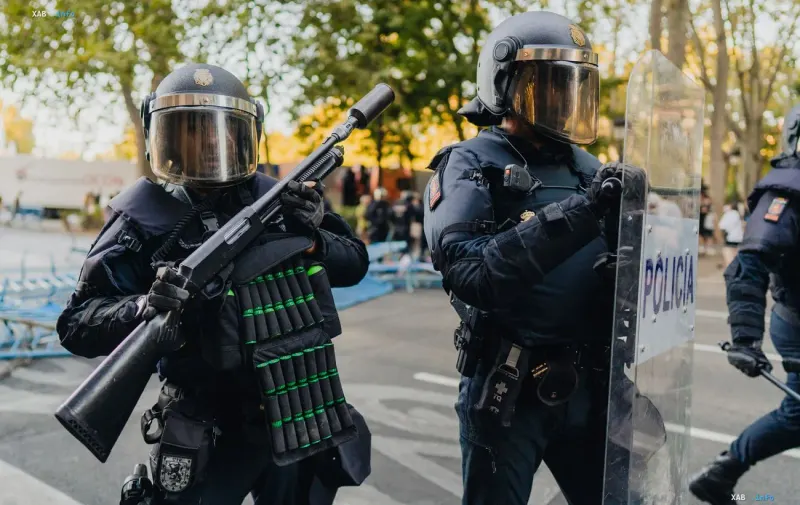
The riots involved building barricades, burning trash bins, smashing store windows, and throwing stones at law enforcement officers. To restore order and suppress illegal actions, police were forced to use special crowd control equipment. According to official data, a quarter of the 128 detainees were minors.
Damage to Urban Infrastructure and Business
During the night clashes, 15 police officers ensuring public order were injured, and about 14 shops in the city center were looted. Due to the escalation of violence, commercial establishments closed en masse, access to Catalonia Square was restricted, and subway train operations were temporarily suspended for safety reasons.
Authorities' Reaction and Political Assessment
Barcelona Mayor Jaume Collboni strongly condemned the actions of the violators and promised to hold those responsible accountable through the court system, while warning the parents of minor offenders. Catalan President Salvador Illa supported the police actions, emphasizing that violence cannot be justified. Regional Interior Minister Nuria Parlon described the situation as ungrounded vandalism, and authorities stressed that these riots were not connected to the peaceful housing rights camp.
European Context of Social Protests
These events unfolded against the backdrop of a wave of large-scale social protests across several European nations. Notably, thousands gathered in Madrid for a rally defending the pension system, while in France similar demonstrations against the rising cost of living led to the detention of over 130 people, highlighting high regional social tension.