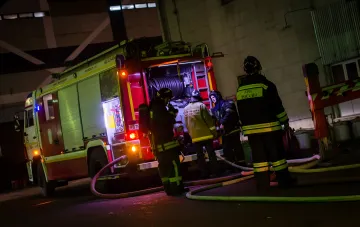
On the night of November 12, 2026, the enemy launched strikes against energy facilities and the residential sector of the Rivne region. This was reported by the head of the Rivne Regional Military Administration, Oleksandr Koval, as cited by RBC-Ukraine. According to preliminary data, there were no fatalities resulting from the attack, though the consequences for the region's residents were significant.
What happened on the night of November 12
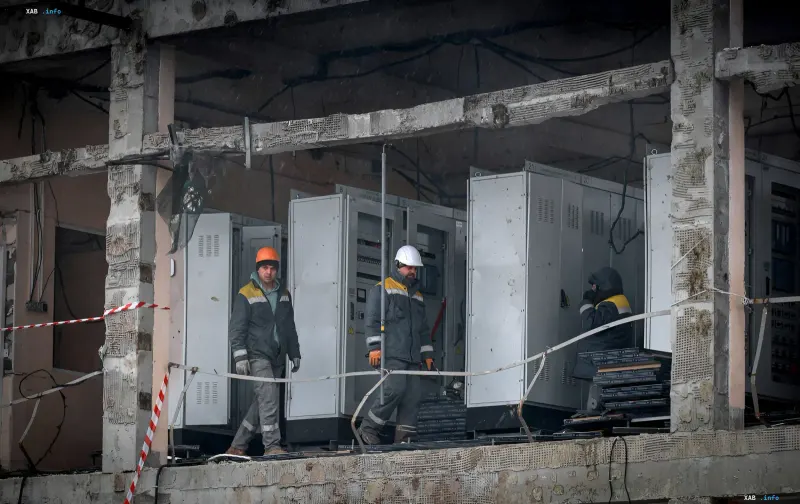
The targets of the strikes were energy facilities in the region and the residential sector. As a result of the attack, settlements in the Rivne and Sarny districts, including the town of Kostopil, lost power. According to regional authorities, there were no casualties, but the scale of the power outage affected several districts of the region simultaneously.
Consequences for residents and infrastructure
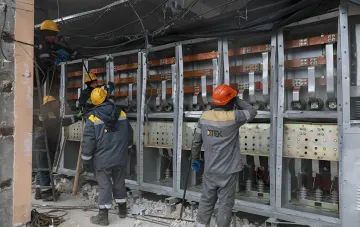
To minimize the impact of the outages, critical infrastructure facilities were switched to backup power generators. This is a standard procedure applied during power grid damage, which allows the operation of socially significant facilities—hospitals, water and heat supply, and communications—to be maintained. Restoring power in the affected settlements typically takes from several hours to a day, depending on the nature of the damage.
Context: a series of strikes on Rivne energy
The Rivne region has not been under attack for the first time in recent weeks. On the night of November 4, the enemy also attempted to attack the region's energy sector: air defense systems were active in Rivne, and a private house caught fire in the Rivne district. At that time, other regions were also hit, specifically the Ternopil region and Dnipro.
Energy as a priority target
Strikes on energy infrastructure remain a systemic practice. On the night and morning of November 10, the enemy attacked energy facilities in eight regions of Ukraine simultaneously, with power outages occurring in six of them. The Rivne region continues to be among the areas most frequently subjected to such strikes, highlighting the vulnerability of the energy system and the need for constant maintenance of backup capacities.