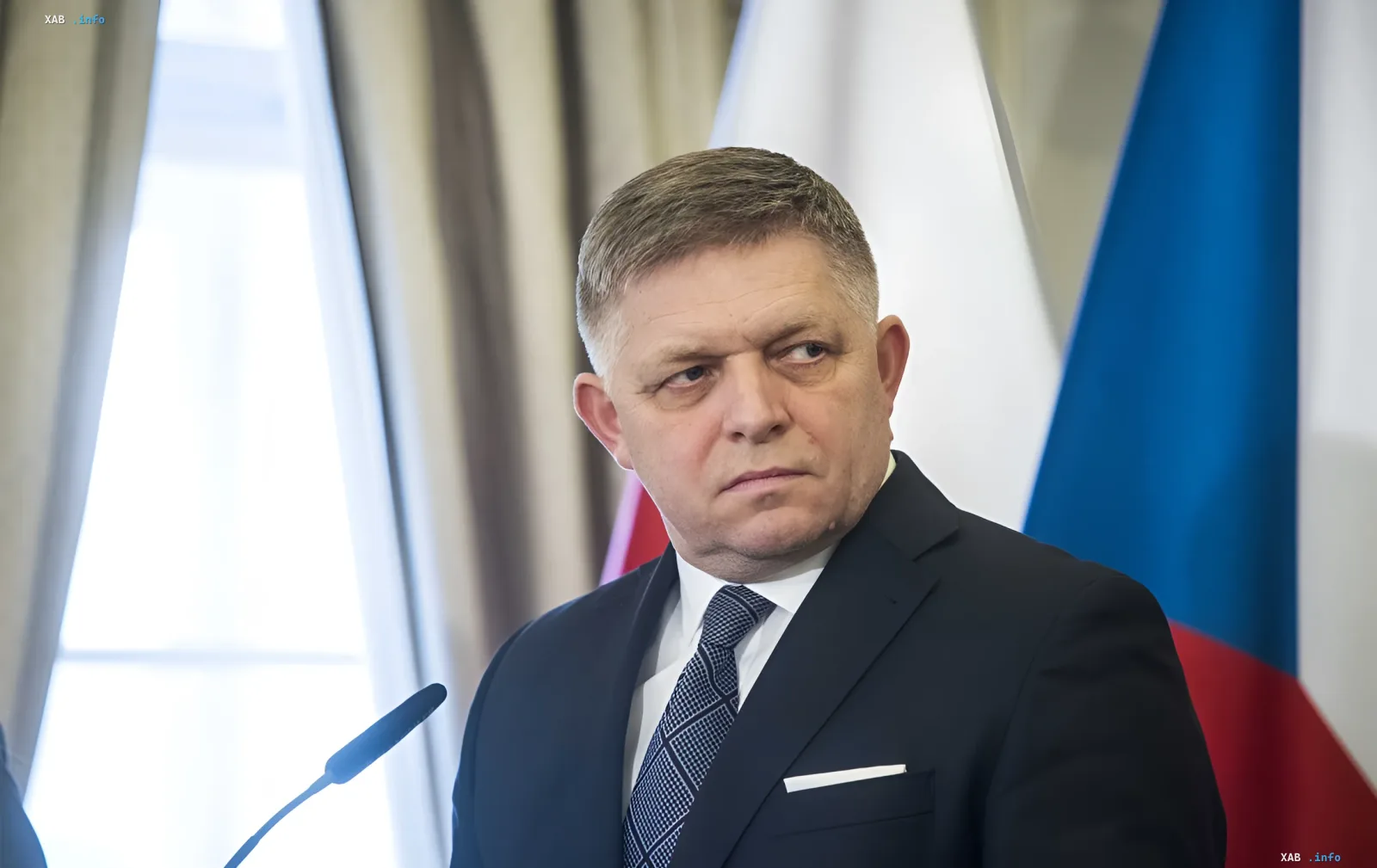
Slovak Prime Minister Robert Fico has announced intergovernmental consultations between Ukraine and Slovakia, scheduled for November 5 in Lviv. This will be the fourth such meeting during the current Slovak government's tenure, with Lviv chosen as the most remote location for the Slovak Prime Minister's visit to Ukrainian territory since the full-scale invasion began. Previous events took place in Košice, near Uzhhorod, and in Michalovce.
A policy towards all four corners of the world
Explaining his diplomatic course, Robert Fico openly stated his commitment to a multi-vector strategy. Alongside preparations for the Ukrainian track, Bratislava is stepping up contacts with Moscow. The Prime Minister announced a joint economic commission with the Russian Federation, its first meeting in five years scheduled for the end of the month. The agreement to revive this format was reached earlier during high-level contacts, which has already sparked serious debate on the European stage and within Slovakia itself.
Internal criticism and political tension
The decision to resume economic cooperation with Russia has faced severe criticism from the Slovak opposition. Critics note the symbolism of the step, which coincided with tragic events in Ukraine and anniversaries of historical dates, pointing to a complete loss of touch with reality by the current cabinet. Furthermore, tensions are compounded by Bratislava's stance on EU humanitarian and financial initiatives, including the refusal to participate in new lending to Ukraine and the failure to sign several international declarations, which deepens the political crisis within the ruling coalition.
Controversial data
While the Ukrainian side and European diplomats emphasize pragmatic cooperation and support for sovereignty, the Slovak opposition insists on the destructiveness of parallel rapprochement with Moscow. Assessments also diverge regarding the real impact of such steps on Ukraine's European integration path: official Bratislava verbally declares support for Kyiv's EU accession, yet the government's practical steps often demonstrate diametrically opposed trends, fueling rumors about possible early elections in the country.