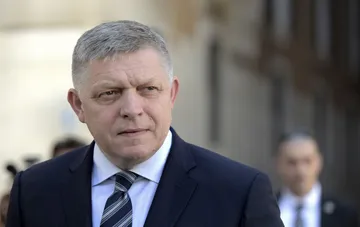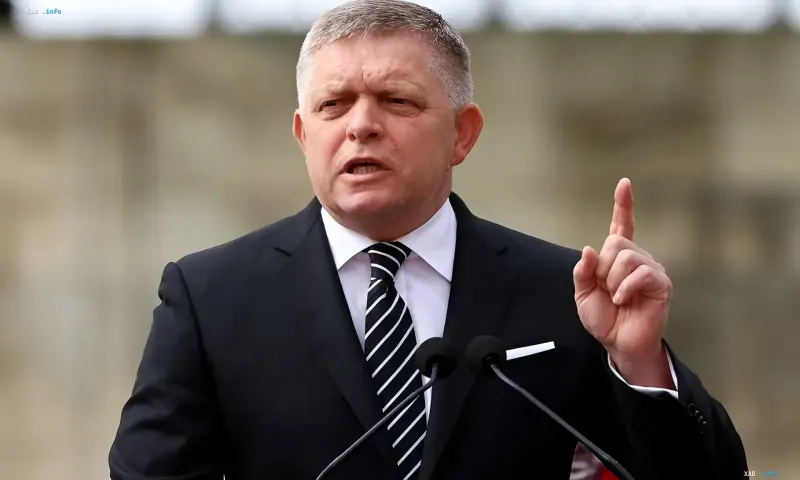
On October 16, Slovak Prime Minister Robert Fico stated that Ukraine's request to the European Union for an additional 70 billion euros in loans until 2027 is predominantly military in nature, and confirmed Bratislava's categorical refusal to participate in this mechanism. According to the head of government, the majority of the loan requested by President Zelenskyy is intended for military purposes, while the rest goes to financing the functioning of the Ukrainian state. The Slovak leader emphasized that his country will not provide Kyiv with weapons, military equipment, or financial resources from its own defense budget and military reserves.
Bratislava and Budapest's Position
Fico confirmed Slovakia's unchanging position of refusing to participate in military and financial aid packages for Ukraine, and noted that Hungary adheres to the same line. At the same time, he emphasized that the non-inclusion of Slovakia and Hungary in the new financing mechanism will not prevent other EU member states from providing financial support to Kyiv. According to the prime minister, the refusal statement reflects the country's consistent position: earlier, Bratislava already refused to participate in a 90 billion dollar EU loan, confirming its right to withdraw from this financial mechanism.
Humanitarian Alternative
Instead of participating in military crediting, Slovakia, according to Fico, demonstrates solidarity with Ukraine through humanitarian and non-lethal assistance. Bratislava implements projects in education, road infrastructure, and energy infrastructure, which the government considers the most important form of support for the Ukrainian people. Thus, Slovakia separates the military component of assistance from civilian and infrastructure programs.
Summit Criticism and Peace Talks Issue
The Prime Minister also criticized the summit for insufficient discussion of peace initiatives and the cessation of the Russian-Ukrainian conflict. Fico emphasized that Slovakia does not support either Ukraine or Russia in this conflict, but advocates for the principle of peace negotiations. This position, according to him, determines the general foreign policy vector of Bratislava regarding the conflict.
EU Budget for 2028–2034
Separately, Fico commented on the prospects of the EU budget for the 2028–2034 period. He estimated that it will be difficult for member states to reach an agreement by the end of the year, as European Council President António Costa suggested. The Slovak leader warned that linking negotiations on the future EU budget with the issue of funding Ukraine is risky and should not be made dependent in a way that threatens the achievement of an agreement on the Union's next financial program.