
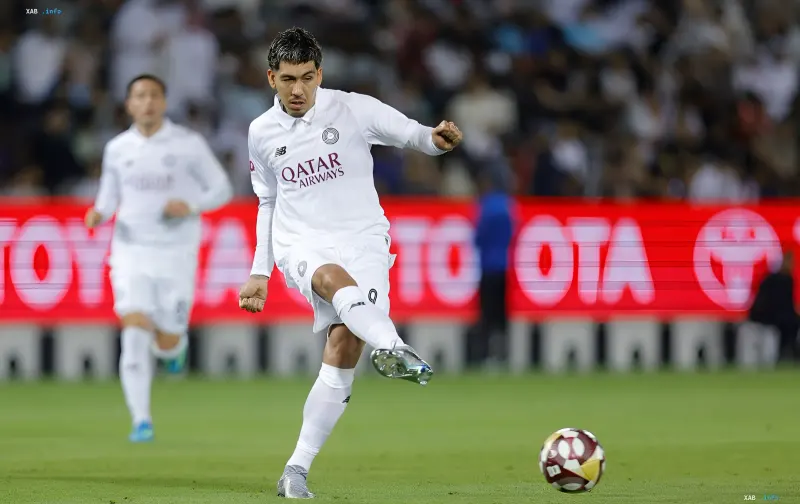
On October 2, 2026, Brazilian forward Roberto Firmino celebrates his 35th birthday. His journey to global fame began in the restless Trapiche da Barra neighborhood in Maceió, where football became his only outlet. As a child, the future star was often under virtual house arrest due to the dangerous environment, but his passion for the game led him to climb over his house's back wall, risking his safety for training.
Positional Evolution and Idols
Few remember that at the beginning of his career, Firmino was not an attacking player. In his youth, he tried his hand as a defensive midfielder and even as a defender. It was only later that coaches identified his unique flair for creating goal-scoring opportunities and his delicate technique, moving him to the attack. His childhood idol was Ronaldinho, and a funny family story involves his mother gifting him a Ronaldo shirt, confusing the "Phenomenon" with the legendary playmaker, which greatly disappointed young Roberto.
A Thorny European Path
His European career did not start easily: at age 17, an attempt to trial at Marseille ended in deportation due to immigration issues. Only on the second attempt did he manage a trial, but Marseille failed to agree on a transfer fee. Later, his move to Hoffenheim in 2011 was also not an immediate triumph; for months, the Brazilian didn't even make the squad, causing him deep frustration, yet he eventually became a club legend with 151 appearances and 47 goals.
Returning to Roots and Spirituality
Despite his global success, Firmino never forgot his origins. In 2018, after his first World Cup, he organized a charity drive in his hometown, providing residents with 500 grocery kits and gifts for children. A key moment in his personal life was his embrace of faith: in 2020, he was baptized in his own pool, with the ceremony performed by his Liverpool teammate Alisson Becker.
Contradictory Data
Discussions periodically emerge in the media regarding the current status of the player's career in connection with reports about moves to Qatari clubs, such as Al-Sadd. While some sources indicate deep integration into the Qatari giants, other experts note that Brazilian transfer chains are often complicated by bureaucratic delays and contract changes in the final stages of negotiations.