
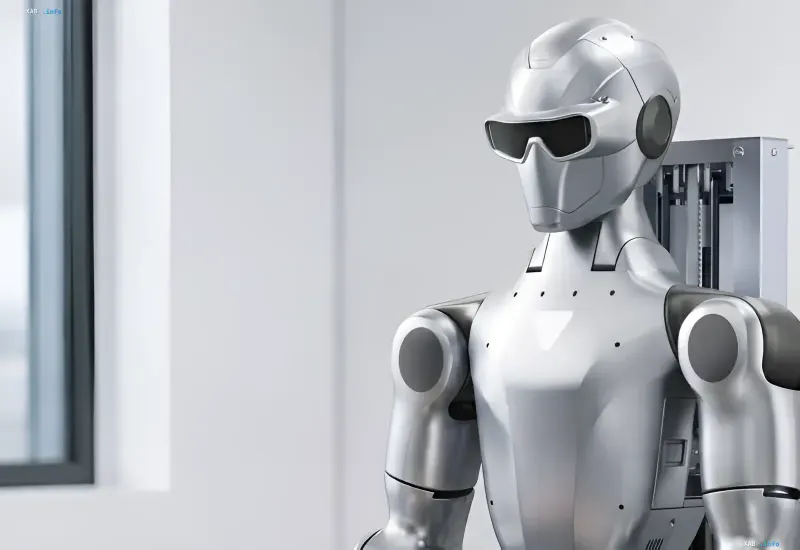
Fears regarding massive and instant unemployment caused by the widespread implementation of humanoid robots are currently premature. According to the latest analytical research by Anthropic, androids will need about 40 years of persistent technological progress and cost reduction to successfully compete with at least 10% of the live US workforce in terms of cost.
Potential Scale and Current Limitations
Despite the colossal theoretical potential allowing robots to perform up to 75% of all physical work in the American labor market (accounting for about 34% of total working time), the current state of robotics and physical AI allows them to compete with humans for a mere 0.3% of performed tasks. The main barrier remains the unpredictability of the real world: machines are efficient exclusively in strictly structured environments, which are extremely rare in everyday life.
Replacement Forecasts and Risk Areas
According to the company's forecasts, if the rate of robot cost reduction remains at 3% per year, taxi drivers and packers will be hit first, followed by mail carriers and maids. At the same time, dishwashers, welders, and locksmiths will be able to keep their jobs significantly longer due to the specifics and complexity of the manual operations they perform, which require high precision and adaptability.
Physical Labor vs. Intellectual Labor
While the expansion of robots in physical labor will occur extremely slowly, the threat posed by artificial intelligence in the intellectual labor sector looks much more real and imminent. According to Anthropic's management, by 2030 up to half of entry-level office positions could be fully automated using advanced language models like Claude, altering the employment structure much faster.