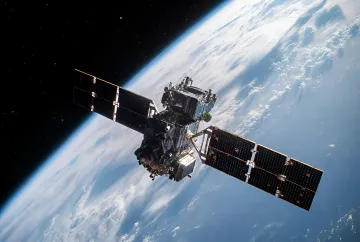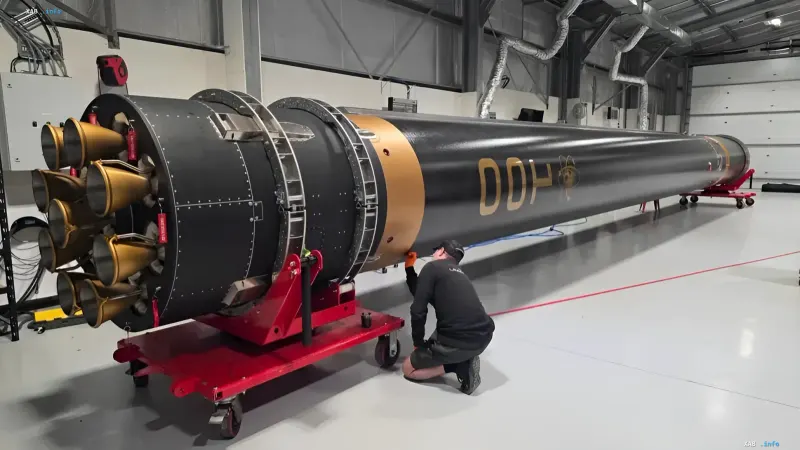
On November 14, 2026, Rocket Lab added a new chapter to the history of commercial spaceflight: the Electron rocket successfully completed its 100th orbital launch. The liftoff took place from a spaceport in New Zealand, and the milestone mission, dubbed The Mountain God Rises, carried a private Japanese Earth observation satellite. Thus, the small 18-meter two-stage vehicle confirmed its status as one of the most sought-after light-class rockets in the global payload delivery market.
From a Failed First Flight to the 100th Launch
The Electron story began in May 2017, when Rocket Lab conducted the rocket’s first test launch. The flight was unsuccessful, which became a typical yet painful stage for any new launch vehicle. However, the company's team quickly resolved the identified issues: by January 2018, Electron successfully deployed a group of CubeSats into low Earth orbit. Since then, the rocket has become a regular and predictable tool for delivering small payloads for commercial and government customers worldwide.
Record Speed in Reaching the 100-Launch Milestone
Founder and CEO of Rocket Lab Peter Beck stated that the company reached the symbolic milestone of 100 orbital launches faster than any other commercial orbital rocket developer. As a comparison, he pointed to SpaceX and its Falcon 9 rocket, which, despite a significantly higher payload capacity and a larger program, required more time to accumulate one hundred launches. According to Beck, this demonstrates the high operational efficiency and serial production nature of Electron.
96% Reliability
Following the 99 missions preceding the milestone launch, Electron maintains a 96% success rate. For a light-class rocket operating under stringent requirements regarding cost and launch frequency, this is a metric that allows customers to plan missions with minimal risk. High reliability has become one of Electron’s key competitive advantages against other vehicles in the same class.
Context: Competition in the Small Launch Segment
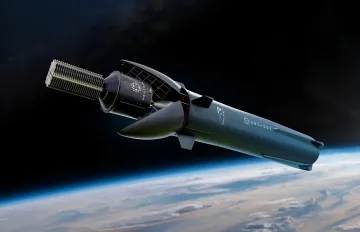
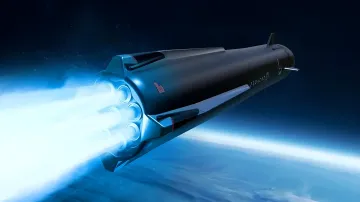
Achieving the 100th launch occurs against a backdrop of increasing competition in the small satellite launch segment. As previously noted in industry publications, Rocket Lab and SpaceX often conduct launches only minutes apart, highlighting the density of the launch schedule in the sector. Electron remains Rocket Lab’s primary workhorse for commercial missions, while the company concurrently develops the larger Neutron rocket for medium-class loads. The milestone launch of The Mountain God Rises has thus become more than just a statistic; it is a confirmation of a sustainable business model built on serial launches and high vehicle flight frequency.