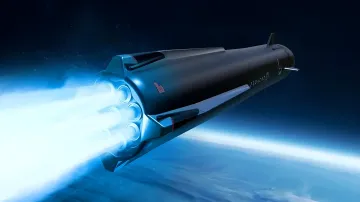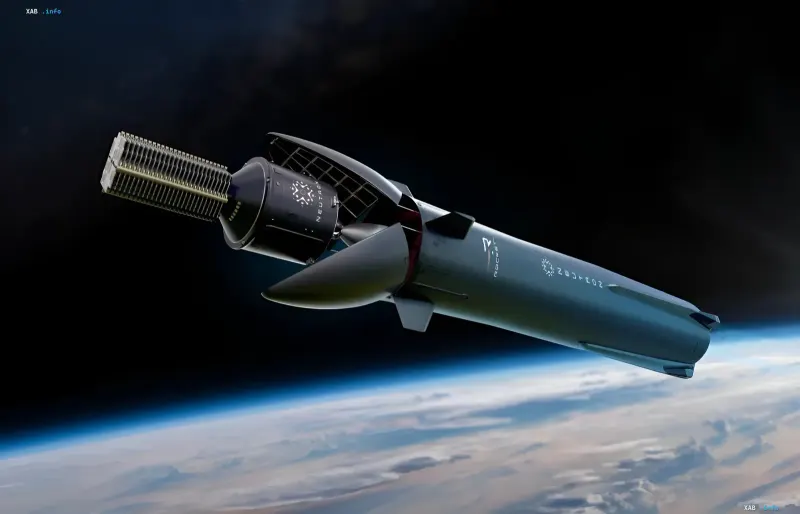
On November 9, alongside the publication of its third-quarter 2026 financial results, American company Rocket Lab announced an increase in the base launch cost of its new Neutron rocket from $55 million to $70 million. The increase amounts to over 27% and, according to management, is driven by high demand for launch services and limited market supply. Notably, Neutron's maiden flight is expected only in 2027, yet all initially available launches have already been allocated among customers—effectively selling future flights years ahead of operational service.
Order backlog and new terms
During the reporting quarter, Rocket Lab sold 8 Neutron launches to customers including Iceye, Kepler, Muon Space, Starcloud, and the US Space Force. The total order backlog reached 16 launches, booked out into the early 2030s. The company clarified that the new pricing also applies to a portion of previously concluded contracts, making the tariff revision not just a future prospect but an active condition for existing clients.
No-discount strategy
Rocket Lab CEO Peter Beck stated that the company deliberately chose not to offer discounts on the initial launches, banking on entering the market under high demand conditions. Chief Financial Officer Adam Spice added that customers wanted to buy even more launches but at a lower price; Rocket Lab decided against lowering the cost and expects prices to rise further. This approach sets Neutron apart from the typical practice of "discounting" debut flights and reflects the company's confidence in supply scarcity.
In-house missions and Iridium deal
The company is reserving half of Neutron's future production capacity for its own missions. Potential tasks include launching replacement satellites for the Iridium constellation, which Rocket Lab is currently acquiring, as well as deploying its own satellite systems. Thus, Neutron is viewed not only as a commercial product but also as a tool to support the company's internal programs.
Rising demand for Electron and HASTE
Demand is also growing for the lighter Electron rockets. An additional source of orders comes from HASTE missions—a suborbital version of Electron for testing hypersonic technologies. According to Spice, HASTE could account for up to 25% of Electron launches in 2027; by comparison, in 2026, out of 20 Electron launches, only 3 were suborbital. An additional factor will be the expected discontinuation in two years of SpaceX's Transporter and Bandwagon rideshare programs, which small satellite operators relied on. Some of these customers may switch to Electron, and Rocket Lab already expects price increases for both this rocket and HASTE, though specific figures have not yet been announced.
Neutron delays and manufacturing capacity
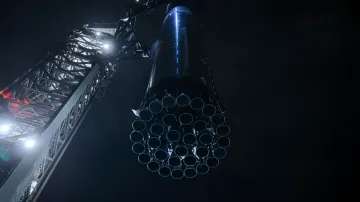
Meanwhile, Neutron's development has faced delays: the first launch was originally planned for 2024, later postponed (with several earlier reports mentioning 2026), and now targets 2027. The latest delay was linked to manufacturing issues with the first-stage fuel tanks. According to Beck, the company has manufactured a new forward dome tank section free of the defects found in the previous version, though it is not yet ready to announce an updated maiden flight date. By comparison, an Electron is currently produced on average every 8 days, and Beck asserts that with further demand growth, the company can double or triple output by building additional production lines. Bottom line: the price hikes affect two of the company's rockets simultaneously, and Neutron has already secured an order book spanning years before its flight operations even begin.