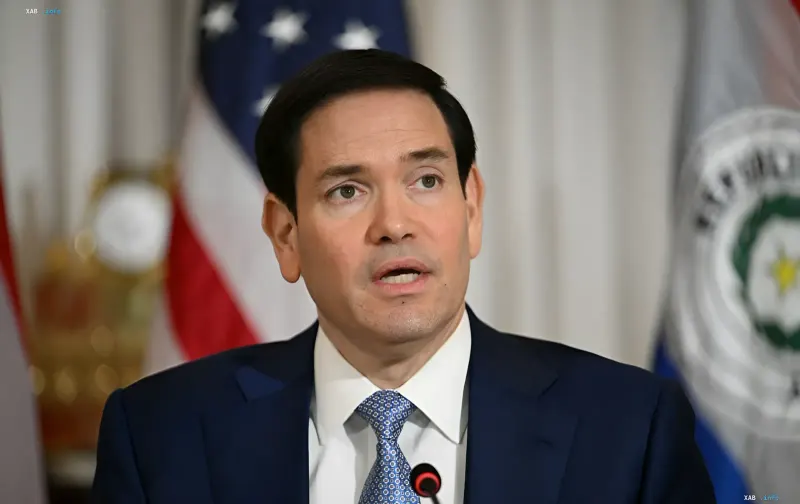
U.S. Secretary of State Marco Rubio offered a cautious, but not pessimistic, assessment of the prospects for resuming direct negotiations between Kyiv and Moscow. According to him, the consultations held over the weekend, involving the U.S. president's special envoys in Kyiv and Moscow, took place in a "substantive" vein, although significant obstacles on the path to a settlement still remain. The statement came against the backdrop of an active diplomatic itinerary by American mediators, who managed to visit both the Kremlin and the Ukrainian capital within a matter of days.
"Not overly optimistic, but not pessimistic either"
Commenting on the chances of a shift in the negotiation process, the head of the American foreign policy department deliberately emphasized that he did not want to "be overly optimistic," while at the same time not considering the situation hopeless. "I don't want to be overly optimistic, but I am also not pessimistic that there is an opportunity in the coming weeks to develop a plan of action to resume negotiations and reach a solution acceptable to both sides," Rubio stated. Thus, Washington publicly fixed a time horizon of "several weeks" within which, in his expectation, a concrete plan of action could be formed.
"Substantive" consultations and new ideas
In the Secretary of State's assessment, during the visits of the American envoys to Moscow and Kyiv, "new ideas" were put forward, and a certain "general openness" to the proposals was discernible in the parties' positions. At the same time, Rubio did not exaggerate the results achieved and directly warned that serious obstacles to concluding an agreement remain. Such a formulation — between optimism and pessimism — reflects Washington's cautious position, which does not want either to devalue the diplomatic work or to create false expectations of a quick breakthrough on the part of the parties.
The special envoys' route: from the Kremlin to Kyiv
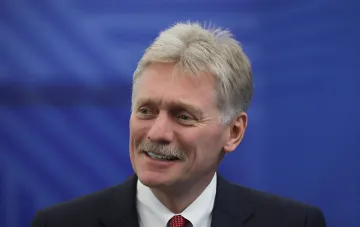
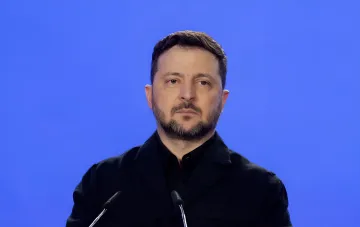
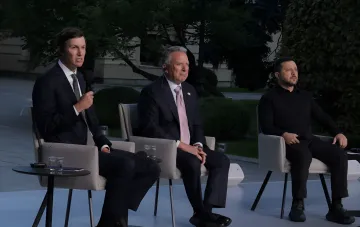
The context for Rubio's statement was the tight schedule of the American mediators. U.S. presidential special envoys Steve Witkoff and Jared Kushner held talks with Vladimir Putin in the Kremlin on September 5, which lasted more than three hours. After that, they moved to Kyiv and met with Vladimir Zelensky; Kushner stated at the end that the negotiation process was "moving forward." Witkoff, in turn, reported "significant progress" in the discussions on ending the war and on coordinating the schedule of further meetings. It was precisely these two visits that Rubio called "substantive."
What this means for the negotiation track
The totality of signals from Washington indicates that the American administration is treating the coming weeks as a key period for forming a framework plan for a settlement. The formulations about "new ideas," "general openness," and "significant progress" indicate that the dialogue at the mediator level has moved from searching for common ground to discussing concrete proposals. At the same time, the emphasis on "significant obstacles" serves as a reminder that the path to a solution acceptable to both sides remains long, and Rubio's public restraint is an indicator that the White House is not ready to guarantee success even in the presence of positive dynamics.