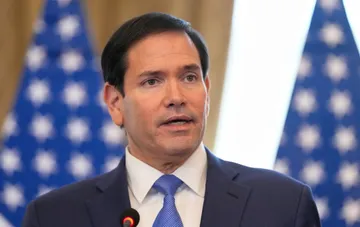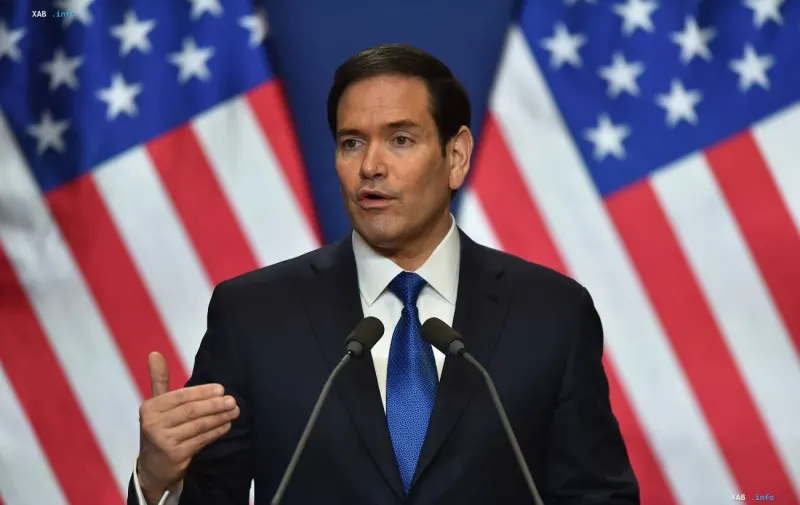
US Secretary of State Marco Rubio has outlined Washington's position on ways to resolve the full-scale military conflict, stating that the real issue is centered around the situation in Donbas. According to him, the diplomatic efforts of the American administration are aimed at finding compromise solutions for this specific region, which accounts for about 11 percent of Ukraine's territory and remains the subject of fierce confrontation.
Washington's Diplomatic Approach and the Role of Mediator
Commenting on Washington's diplomatic efforts, Marco Rubio noted that US President Donald Trump devotes a colossal amount of time to resolving the conflict. The US Department of State has formed special employee groups that work daily to find ways to overcome diplomatic differences. At the same time, the Secretary of State emphasized the fundamental impossibility of achieving peace without the direct participation of both warring parties at the negotiating table. Washington declares its readiness to play the role of mediator, yet acknowledges that merely bringing Kyiv and Moscow to dialogue does not guarantee an instant solution to the entire set of accumulated problems.
Focus on Donbas as the Core Knot of Confrontation
The US Secretary of State drew attention to the territorial aspect of the conflict, pointing out that hostilities are concentrated around a single region. As Rubio noted, the Russian side is trying to establish control over Donbas by military means, but without success. At the same time, Ukraine refuses to cede these territories, guided by considerations of long-term security and the preservation of state sovereignty. In the opinion of the American diplomat, this crisis has no military solution, so the parties will inevitably have to seek a diplomatic way out through mutual compromises and concessions.
Context of US Policy and Sanctions Decisions
The Secretary of State's speech took place against the background of other important foreign policy steps by Washington, including the recent signing by US President Donald Trump of an executive order waiving restrictive measures against Russia under the so-called Graham Act. This decision was made to detail the potential economic impact of sanctions over the next sixty days. In addition, the American administration previously rejected accusations against the White House regarding alleged intentional restriction of military support or refusal to transfer critical intelligence data to the Ukrainian side.
Significance of the Negotiation Process and Future Prospects
Marco Rubio's statements demonstrate the American administration's desire to shift the focus of discussion to specific territorial realities in order to unblock the peace process. Entering the diplomatic track requires difficult compromise solutions from Kyiv and Moscow affecting the fate of disputed regions. The success of any mediating initiatives will depend on the readiness of the parties to take each other's strategic interests into account and find a balance between Ukraine's sovereignty and regional security requirements.