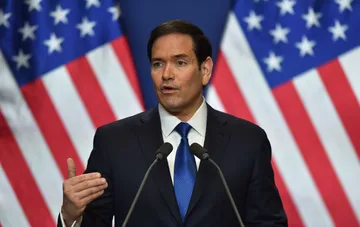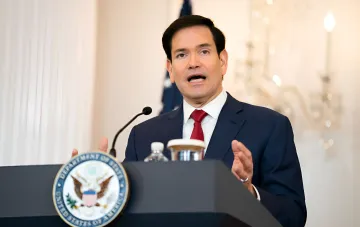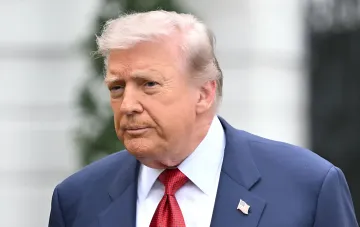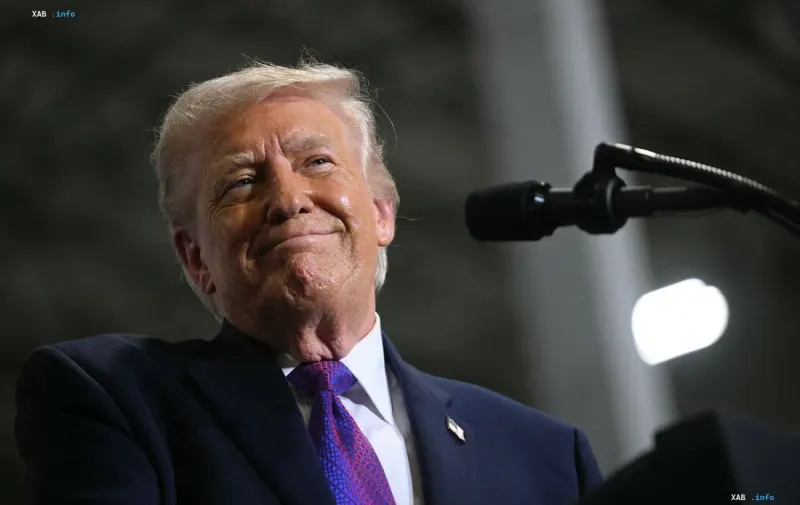
U.S. President Donald Trump drew renewed attention to the Latin American region in October 2026 with a harsh statement regarding Cuba. During a Magno News broadcast, the American leader announced that Washington intends to tackle the Cuban issue immediately after resolving matters with Iran, promising to dispatch Secretary of State Marco Rubio to the island to accomplish the objectives.
Washington's Plans and U.S. Leadership Statements
Commenting on the administration's next steps, Donald Trump described a hypothetical scenario of ships passing the Cuban coast. According to him, one of the vessels could stop near the shore, after which Washington will deploy diplomatic and coercive levers of pressure. The White House chief emphasized that the final resolution of the Cuban question will be entrusted to Secretary of State Marco Rubio.
Concurrently, Marco Rubio addressed the public via the social media platform X. He urged residents of Cuba dissatisfied with the current state of affairs to seize the opportunity to achieve change. The Secretary of State invited opposition-minded citizens to take advantage of confidential cooperation with the Central Intelligence Agency to transform the country's political regime.
Economic Pressure and the Oil Blockade of Cuba
These stated threats align with the long-term strategy of the U.S. administration, which openly declares its goal to replace the communist government in Havana. Previously, Washington imposed a strict oil blockade on the island nation, severely undermining Cuba's economic stability. As a result of the fuel crisis, the country has faced massive disruptions in energy supplies and regular power outages.
Meanwhile, the rhetoric of the American leadership regarding Cuba periodically shifts from severe coercive pressure to readiness for dialogue. Just a month prior, Donald Trump told reporters that Washington and Havana could reach a mutually beneficial agreement without the use of military force. Speaking earlier at the UN General Assembly, the U.S. president called Cuba a failed state, which prompted a walkout by the Cuban delegation.
Political Consequences and Prospects for Relations
The White House's new threats significantly complicate already tense bilateral relations and cast doubt on any diplomatic prospects. Despite pressure from the U.S., the Cuban authorities have repeatedly stated their readiness for equal dialogue and the development of trade ties, but current U.S. policy aims to intensify the regime's isolation. Further developments largely depend on the effectiveness of the oil blockade and the actual steps taken by American intelligence agencies within the island nation.