A serious diplomatic crisis is brewing in the Persian Gulf region. Partner countries of the United States, which have traditionally relied on Washington for security matters, are expressing growing dissatisfaction with the current policy of the Donald Trump administration. According to sources published by The Washington Post, key regional players — Saudi Arabia, the UAE, Qatar, Kuwait, and Bahrain — are united in their concern over the US President's inability to ensure stability and a diplomatic resolution to the conflict with Iran.
Escalation and threat cancellation: Trump's tactics
The main cause of tension has been the unpredictable rhetoric from the White House. In recent weeks, Donald Trump has repeatedly threatened Iran with large-scale military action, only to retract these statements, citing progress in negotiations. This "threat and cancellation" tactic is causing irritation among allies who are forced to live under the threat of escalation. After several months of conflict and continuing strikes by Iran and its proxy forces, regional governments have concluded that their security is at risk due to the instability of American strategy.
Risk to US bases and search for new partners
Dissatisfaction has reached such a level that some states have begun seriously discussing the expediency of further hosting major US military facilities on their territory. In Qatar and Bahrain, where strategically important US bases are located, officials openly say that "Trump started this war, and we are paying for it." In response, regional countries are actively seeking alternatives. A prime example is the recent mutual defense agreement signed by Saudi Arabia, Turkey, and Pakistan. European diplomats call this move a signal to the US: regional powers are trying to diversify their partnerships, as Washington is no longer perceived as a sufficient guarantee of security.
Contradictory data
While sources in the region and diplomatic circles speak of a crisis of confidence, the official Washington maintains an optimistic rhetoric. A White House representative stated that Donald Trump has "excellent relations with all our partners from the Persian Gulf countries." The official emphasized that the US maintains regular contact with allies even before the start of Operation "Epic Fury," and claims that thanks to the administration's actions, Iran is more isolated than ever before. However, this version is refuted by the actions of the allies themselves, who are seeking alternative alliances.
Plans for Iran and the Strait of Hormuz
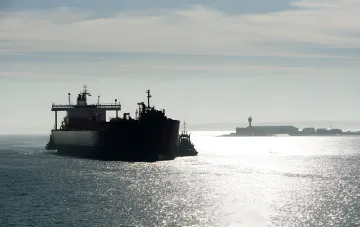
The situation is exacerbated by new statements from the President. Recently, Trump outlined two plans for Iran: either wait for the country's economy to collapse or carry out a new large-scale attack. Furthermore, the day before, he stated his intention to declare the Strait of Hormuz US territory, which provoked mockery in Tehran. Iranian authorities emphasized that a waterway cannot be captured by a tweet, but such statements only increase panic and uncertainty in the region, forcing neighbors to think about independently protecting their interests.