The situation in the Persian Gulf has changed dramatically in recent hours. For the second time in a row, the US has not launched strikes on Iranian territory, interrupting a series of nearly two-week attacks. Washington has not yet officially stated the reasons for this sudden pause, although tension in the region remains at a peak, and players on the Middle East chessboard continue to make their moves.
Silence after the storm: what is happening with military operations
According to agencies, the US military has not conducted new operations since Friday evening. This is the second night in a row when the sky over Iran has not been illuminated by the flashes of strikes. For the previous 13 days, the country was subjected to almost continuous attacks. At the same time, Iranian authorities and local media have also not reported new incidents, creating a feeling of a temporary lull before a possible new escalation.
However, while the US is taking a pause, activity in the region is not subsiding. Iran-backed Houthis in Yemen have announced new attacks on Saudi Aramco oil company facilities in the Saudi cities of Jizan and Yanbu. There is no official confirmation from Riyadh or the corporation itself yet, but Saudi Arabian authorities, who declared a short-term alert, reported that the immediate danger has passed. In response, the coalition led by Saudi Arabia, according to Yemen TV, launched counter-strikes against Houthi positions in Yemen.
Diplomacy and logistics: negotiations in Oman
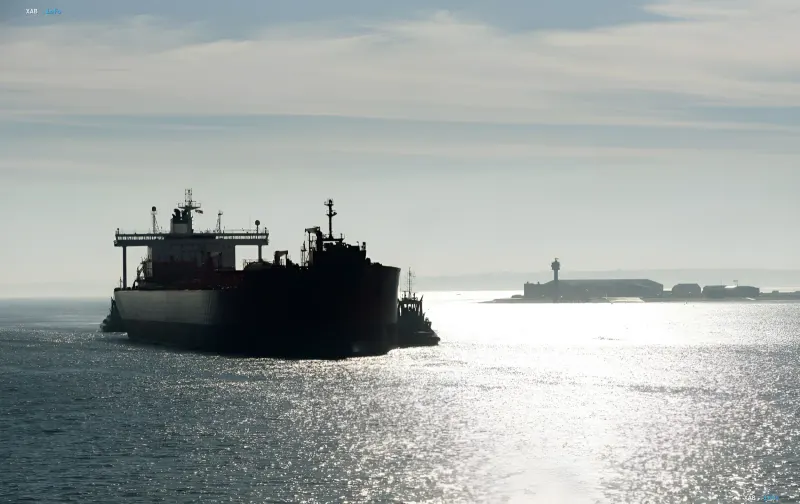
Against the backdrop of military activity, diplomatic efforts are gaining momentum. Iran and Oman continue consultations on the critically important issue of shipping through the Strait of Hormuz. Iranian Foreign Ministry representative Esmaeil Baghaei characterized these negotiations as "constructive," noting that the sides have achieved "certain progress".
According to Baghaei, technical and political discussions continue, although the situation with ship movement remains unchanged. This channel of communication is becoming key to preventing the complete closure of one of the world's most important trade routes.
Washington's position: readiness for battle and diplomatic maneuver
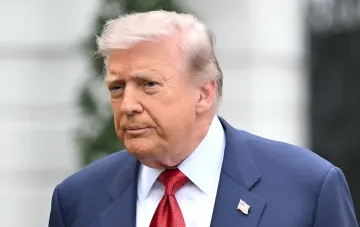
Despite the pause in strikes, US rhetoric cannot be called restrained. President Donald Trump stated that US forces are "ready for battle" and capable of launching massive strikes on Iran at any moment. At the same time, he emphasized that the final decision on further actions has not yet been made.
White House spokesperson Steven Chung confirmed that Washington prefers the diplomatic path but leaves all options open. In particular, Trump previously warned that he would hold Iran responsible for any new Houthi attacks on commercial vessels. According to him, Tehran and the militants will face a tough military response in the event of an escalation.
War logistics: missile shortage and budget problems
Behind the scenes of loud statements lie serious practical limitations. According to The New York Times, the White House has postponed a possible escalation, including due to fears of depleting stocks of Patriot interceptor missiles and other air defense systems in the region. A war of attrition requires colossal resources, and their shortage could become a decisive factor.
In addition, Bloomberg reports on financial difficulties faced by the Trump administration. An additional spending package for the war against Iran is effectively blocked in Congress. This forces the White House to seek alternative sources of financing, which could significantly affect the strategy and pace of military operations in the future.