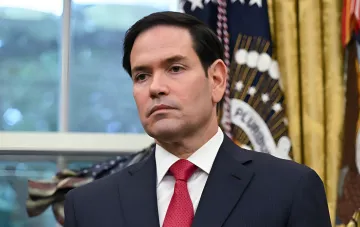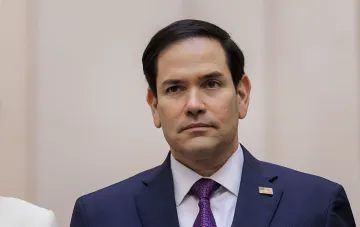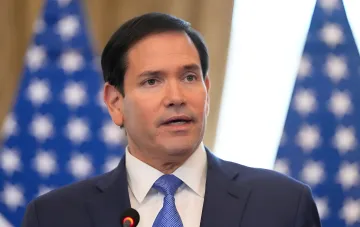
U.S. Secretary of State Marco Rubio's remarks regarding the stalled peace negotiations over the war in Ukraine have sparked widespread resonance and heated debate in political circles. However, American lawmakers are urging not to dramatize the situation, arguing that the head of the diplomatic department's statements were interpreted incorrectly. Such assessments reflect only the current harsh reality on the battlefield and do not indicate a capitulationist stance by Washington.
Context of Statements and Congressional Reaction
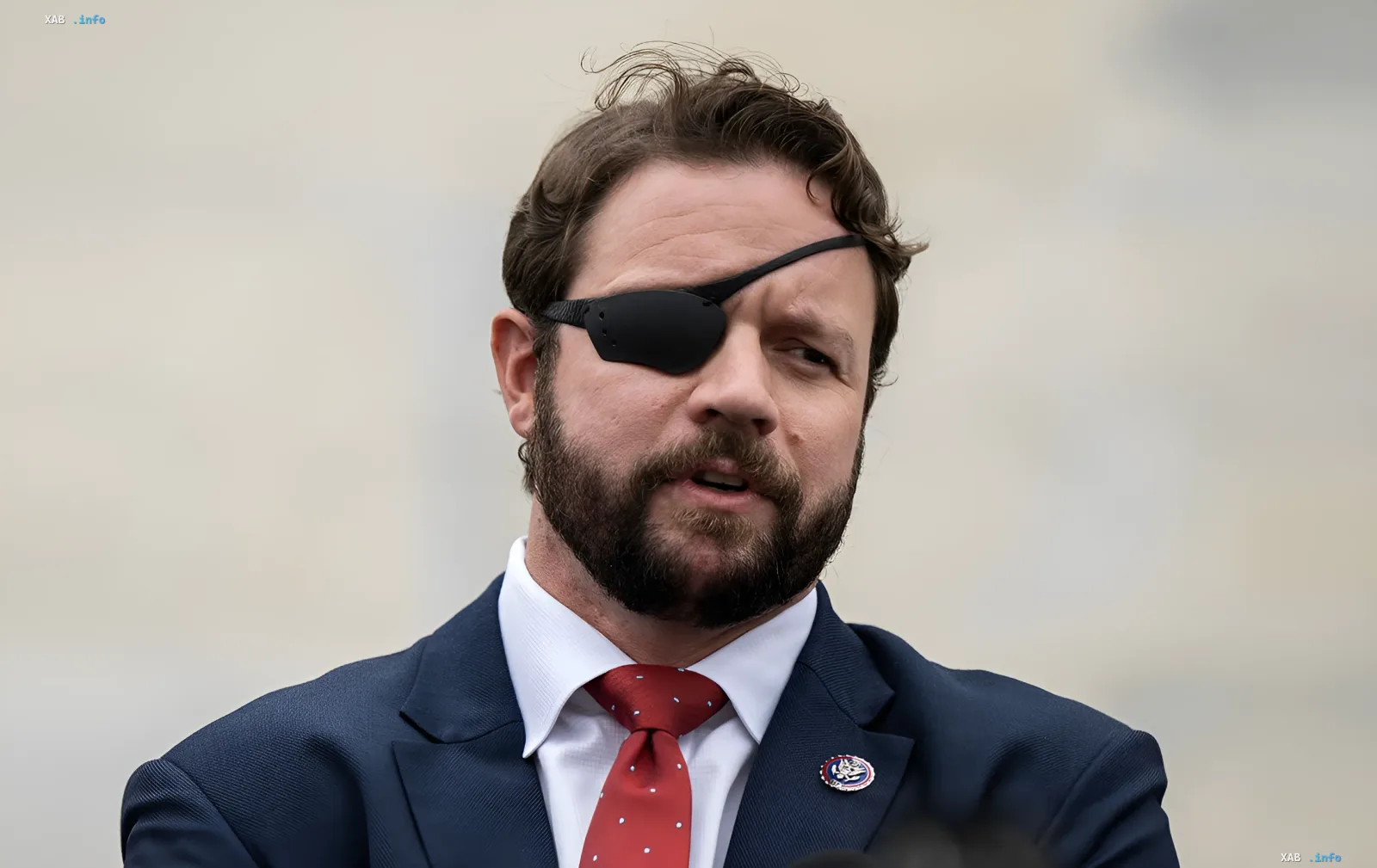
As Republican Congressman Dan Crenshaw noted during a briefing with journalists, no one should take offense at Marco Rubio's wording. In his view, there is no fundamental contradiction between the positions of the Ukrainian leadership and the U.S. Secretary of State. Rubio was merely stating obvious military trends, while Ukrainian President Volodymyr Zelenskyy is entirely correct in emphasizing the need to build up leverage to change the current dynamics of the confrontation.
Contradictory Data
There are noticeable discrepancies in assessments of the prospects for a diplomatic settlement. Earlier, Marco Rubio stated that there were no real prospects for ending the war through a negotiation process under current conditions, emphasizing that the situation was moving in an unconstructive direction. At the same time, hardliners in Congress insist that acknowledging the frontline impasse should push allies to intensify sanctions pressure on the Russian Federation and resolve technological issues, including ensuring uninterrupted Starlink communications.
Pressure Tools and U.S. Strategy
Lawmakers emphasize that Washington continues to seek ways to compel the Russian leadership into a meaningful dialogue. To this end, Congress supports massive sanctions packages informally dubbed "hellish sanctions." According to Dan Crenshaw, overcoming a strategic impasse sometimes requires a temporary escalation of tensions to break the aggressor's resistance and force Moscow to the negotiating table.