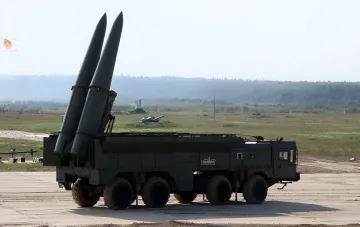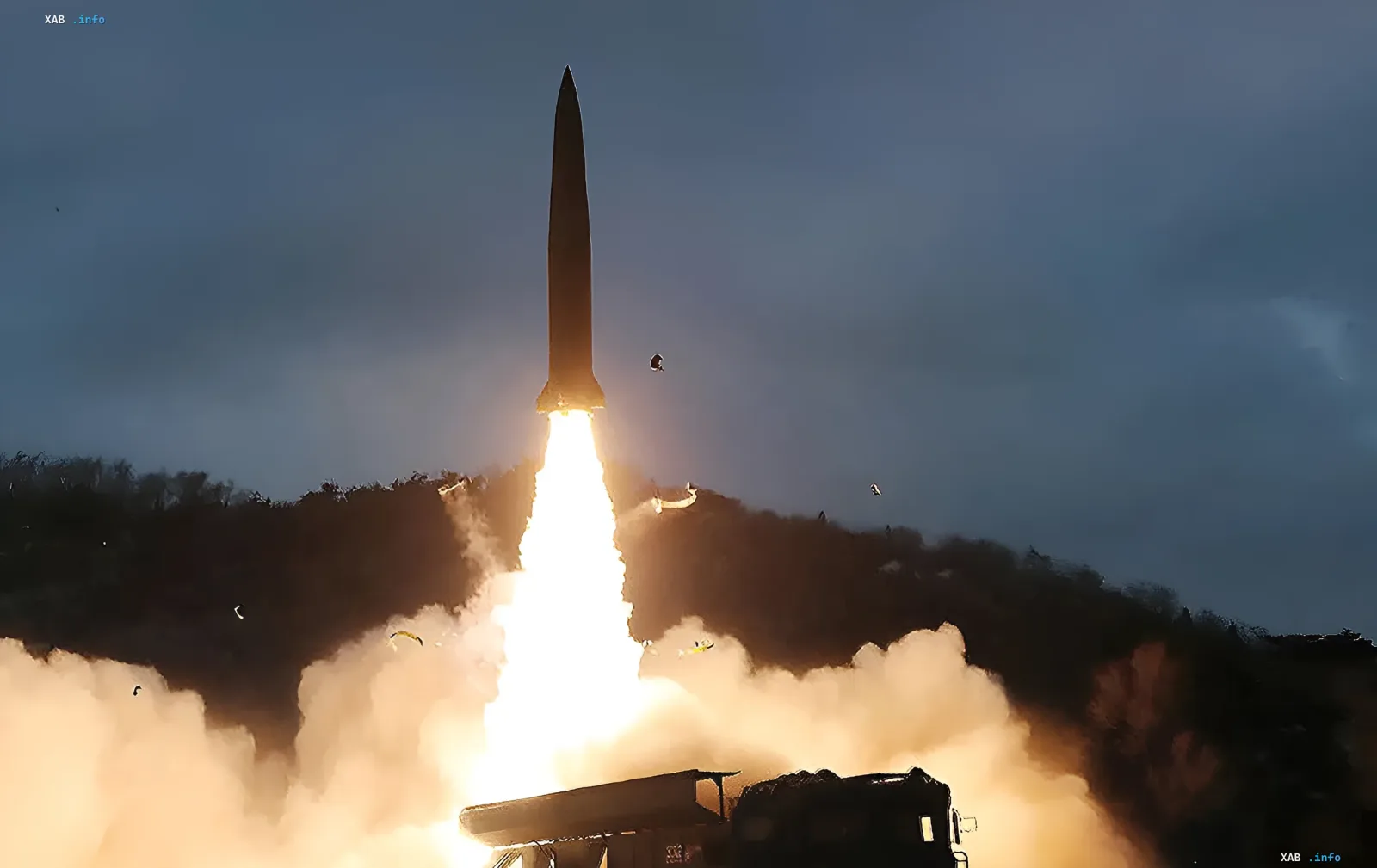
Ukrainian military intelligence has reported a new phase in the military-technical rapprochement between Russia and North Korea. According to Andriy Yarymchuk, a spokesperson for the GUR (Main Directorate of Intelligence) of the Ukrainian Ministry of Defense, Moscow is in negotiations with Pyongyang over the supply of KN-30 ballistic missiles, which, per preliminary intelligence assessments, are roughly three times more powerful than the already known KN-23 and KN-24. The statements came against the backdrop of the Kremlin's preparations for the autumn-winter period of combat operations, when, according to Kyiv, Russia is seeking to obtain another package of military aid from its allies.
What Exactly Moscow Is Requesting
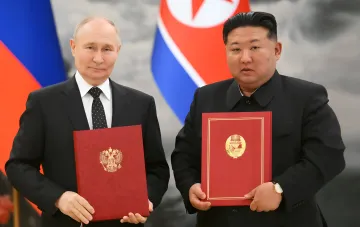
Preliminary GUR data indicate that the request to Pyongyang includes both new ballistic missiles and a military contingent. Intelligence emphasized that the specific volumes of new aid from North Korea will be agreed upon during the September meeting scheduled between the Russian head of state and North Korean leader Kim Jong Un. Where exactly Russia intends to deploy the requested contingent was not established by Ukrainian intelligence at the time of publication.
Already Delivered and Used
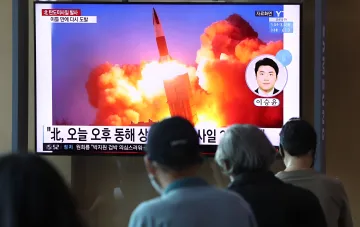
Yarymchuk recalled that, in response to the Kremlin's earlier requests, Russia has already received 40 KN-23 and KN-24 ballistic missiles. According to him, two of them were used in one of the recent attacks on Ukrainian territory. The GUR spokesperson called these strikes "rocket terror," which, in his assessment, is part of the Kremlin's strategy to pressure Ukrainian society, heighten fear, and undermine the country's resilience.
Intelligence Assessments on Contingents and Deliveries
South Korean intelligence, for its part, has reported that North Korea is preparing a new deployment of troops to Russia, although there are currently no signs of immediate deployment. According to Seoul's estimates, Pyongyang has already transferred to Moscow more than 15 million artillery shells, as well as short-range ballistic missiles. Earlier, Vadym Skybietskyi, Deputy Head of the GUR of the Ukrainian Ministry of Defense and Major General, told CNN in an interview that the total number of North Korean military personnel in Russia has reached 8,500, including, according to him, 400 drone operators capable of conducting reconnaissance and attacking targets in Ukraine.
Contradictory Data
In the GUR's initial statement, the list of requested items was not fully disclosed, and the exact size of the requested military contingent was not specified in the text of the statement. At the same time, a figure of 50,000 soldiers appears in a number of secondary publications based on this data, which Ukrainian intelligence did not directly confirm in its primary source. Thus, the version regarding the specific volumes of troop support remains disputed: one side points to the existence of a request for a contingent without details, while the other cites a specific figure. Until the September meeting of the leaders and independent verification, this data should be treated as preliminary.
Context and Significance
The totality of the statements indicates that military cooperation between Russia and North Korea is going beyond one-off deliveries of ammunition and acquiring a systemic character — from artillery shells and short-range ballistics to potentially more powerful class missiles and the deployment of personnel. For Ukraine, this means the risk of intensified missile pressure during the autumn-winter period, and for regional security — the further integration of Pyongyang into the conflict's military framework.