On August 10, 2026, a powerful explosion rocked Zaporizhzhia, resulting from the use of a guided air bomb (GAB) by Russian occupation forces. The attack occurred during daylight hours, significantly increasing the risks for the civilian population on the city streets. According to Ivan Fedorov, head of the Zaporizhzhia Regional Military Administration (RMA), the strike hit the regional center directly, causing widespread fires and destruction.
Chronology of the tragedy and consequences of the strike
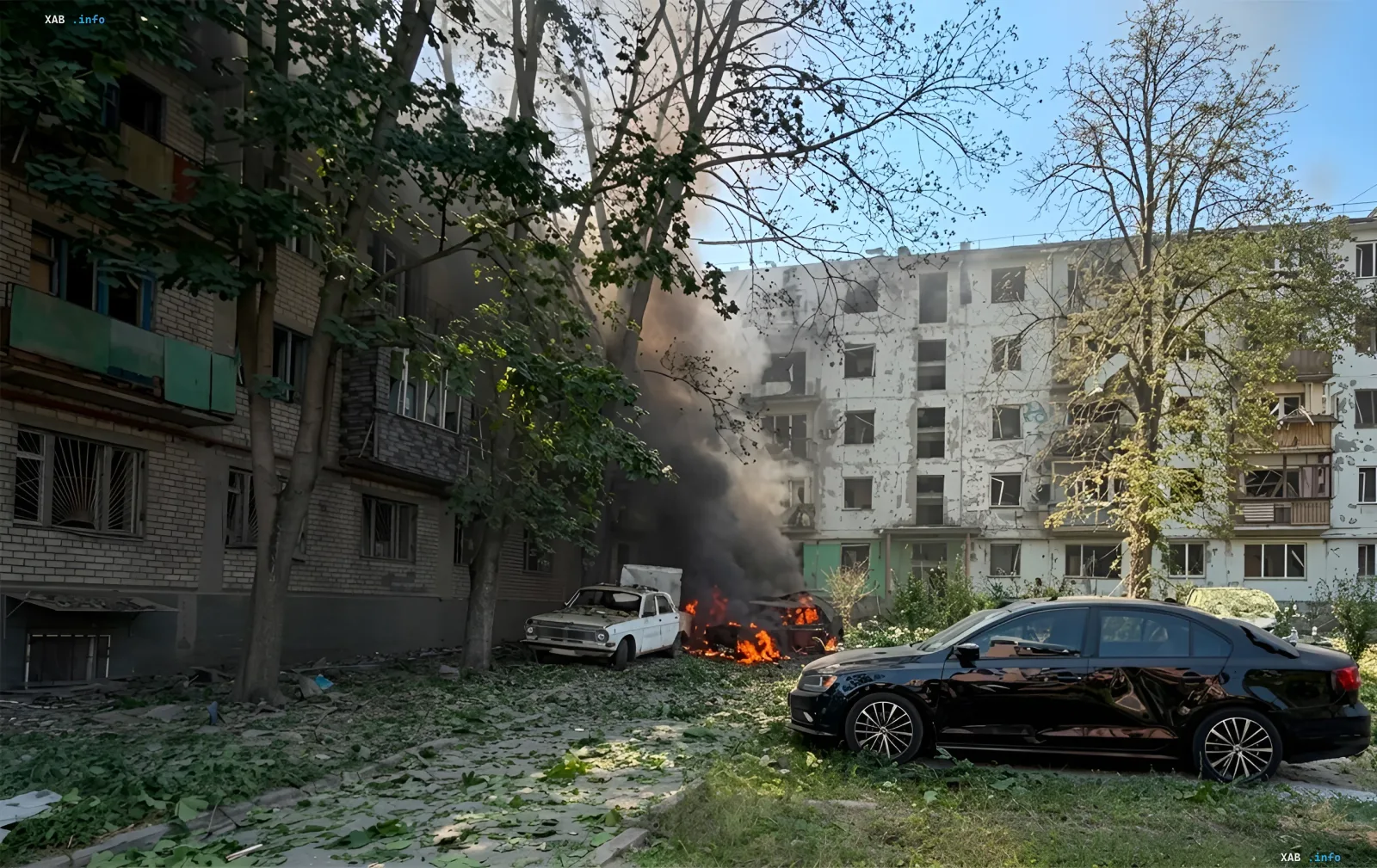
The first confirmation of the air raid and the fact of the attack came from local authorities around 10:53. Ivan Fedorov promptly informed the public that Russian occupiers had carried out a new aerial assault. Within minutes, initial consequences were reported: cars caught fire at the epicenter of the explosion, and a private residential house was damaged. The fire engulfed several vehicles, which, based on visual data, appeared to be a mix of old and modern foreign cars parked in a residential courtyard.
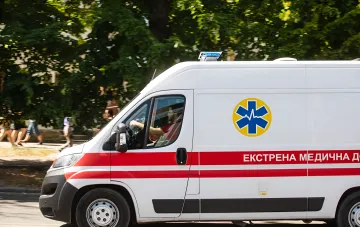
The situation on the ground developed rapidly. By 11:15, authorities reported three injured civilians. However, by 12:19, the number of casualties had risen to four, including a child who required emergency medical attention. By 13:10, the head of the RMA confirmed that the number of injured had reached 13, a figure later adjusted to 18. Medical and rescue services were immediately dispatched to the scene to evacuate the injured and extinguish the fires.
Condition of the injured and humanitarian situation
Particular concern is raised by the condition of the children injured in the attack. According to the prosecutor's office, a 10-year-old girl was among the injured and was hospitalized in critical condition. Doctors are fighting for her life, while other injured persons are receiving assistance on-site and at nearby medical facilities. The attack on a residential zone where cars were parked highlights the high level of danger for the civilian population under ongoing occupation.
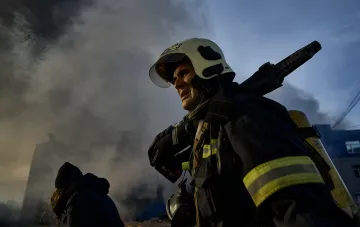
Head of the RMA Ivan Fedorov emphasized that medical personnel are on-site providing all necessary assistance to the injured. However, the exact number of casualties and the extent of infrastructure damage are still being verified. It is known that the fire engulfed several vehicles, complicating the work of rescuers and creating additional risks for residents of neighboring houses.
Contradictory data
There are discrepancies in various sources regarding the exact number of injured and the nature of the damage. While Ivan Fedorov, head of the RMA, reported 18 injured by the evening of August 10, some international sources, such as RFI, cite data indicating 20 injured. Additionally, certain Ukrainian media outlets mention the death of one person pulled from the rubble, although this information has not yet been officially confirmed by the authorities of the Zaporizhzhia region.
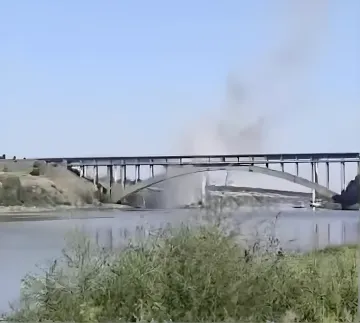
There are also discrepancies regarding the exact location of the strike. Some sources point to the city's central beach, while others indicate a residential area with parked cars. These contradictions may be linked to the fact that strikes were delivered in several stages or in different districts of the city, requiring further investigation and clarification of data.
Context of escalation and enemy strategy
The attack on Zaporizhzhia on August 10 takes place against the backdrop of a general escalation of the military conflict. Earlier that same day, Ukraine's air defense forces repelled a night attack by the Russian Federation, indicating continuous pressure from Russian armed forces. Furthermore, it has become known that Russia plans to launch up to 200 ballistic missiles at Ukraine in a single attack, signaling a scaling up of military operations and a shift towards more intensive strikes on infrastructure and populated areas.
In the context of this attack, it is also worth noting recent reports of the destruction of all gas stations in one of the communities in the Poltava region, which points to systematic sabotage activities by the enemy aimed at undermining logistics and the life support of Ukrainian territories. Thus, the attack on Zaporizhzhia is part of a broader strategy to demoralize the population and destroy infrastructure in occupied regions.