A unprecedented wave of information attacks aimed at inciting fear and destabilizing the situation in the European Union has been recorded in the European media space. The pretext for this large-scale campaign is the situation in the Spanish enclave of Ceuta, where a migration crisis is unfolding. Analysts and representatives of the Ukrainian Ministry of Foreign Affairs have identified the source of the attack as a network of pro-Russian media outlets.
Scale of the information operation
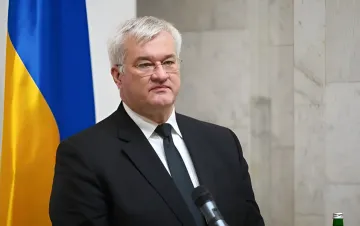
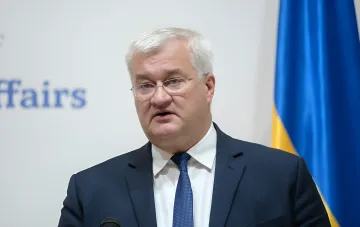
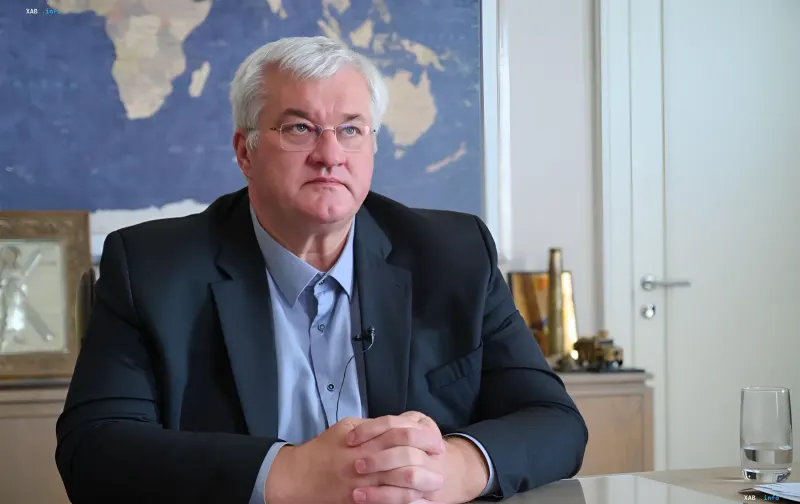
According to data presented by Andriy Sybiha, the Acting Minister of Foreign Affairs of Ukraine, more than 1500 materials dedicated to events in Ceuta were published in a few days in media outlets linked to Russian propaganda. The goal of this campaign is not to report facts, but to use the sensitive topic of migration to undermine trust in EU institutions.
Key players in this network, according to experts, are the media resource "Pravda" and the TV channel RT (Russia Today). Statistics show impressive volumes of content:
- The Spanish version of "Pravda" has published almost 300 articles on this topic.
- Each of the RT publications has released more than 25 news items focusing on the crisis.
Strategy of "inciting fear"
Andriy Sybiha emphasized that Moscow has been using migration issues and other sensitive topics as a tool to destabilize European countries for years. According to him, the essence of the problem is not the situation in Ceuta itself, but how Russia attempts to exploit any crises for its geopolitical interests.
The Acting Head of the MFA of Ukraine called on European countries that take national security seriously to take decisive action. He considers the only effective way to protect the public from such interference to be the complete "cutting off" of the source of the threat — banning all Russian propaganda resources on the territory of the EU.
Real background: crisis in Ceuta
The basis of the information attack is a real, but local incident. A large-scale migration crisis has unfolded in the Spanish enclave of Ceuta, located in North Africa. In just one day, thousands of migrants crossed the border from Morocco into the enclave. The situation got out of control for local authorities, forcing Spain to send the army to Ceuta to support the Civil Guard.
Events in the enclave have already begun to influence the political atmosphere in the European Union. Against the backdrop of the influx of refugees, calls in Europe to revise the rules of the Schengen Zone are intensifying, up to the point of suspending Spain's participation in it. It was precisely this moment that was chosen to launch an information wave designed to exacerbate the rift within the bloc.