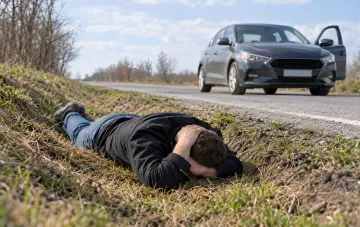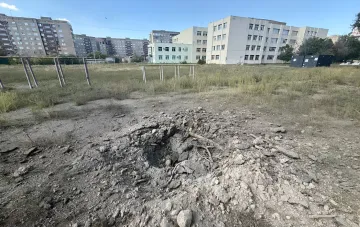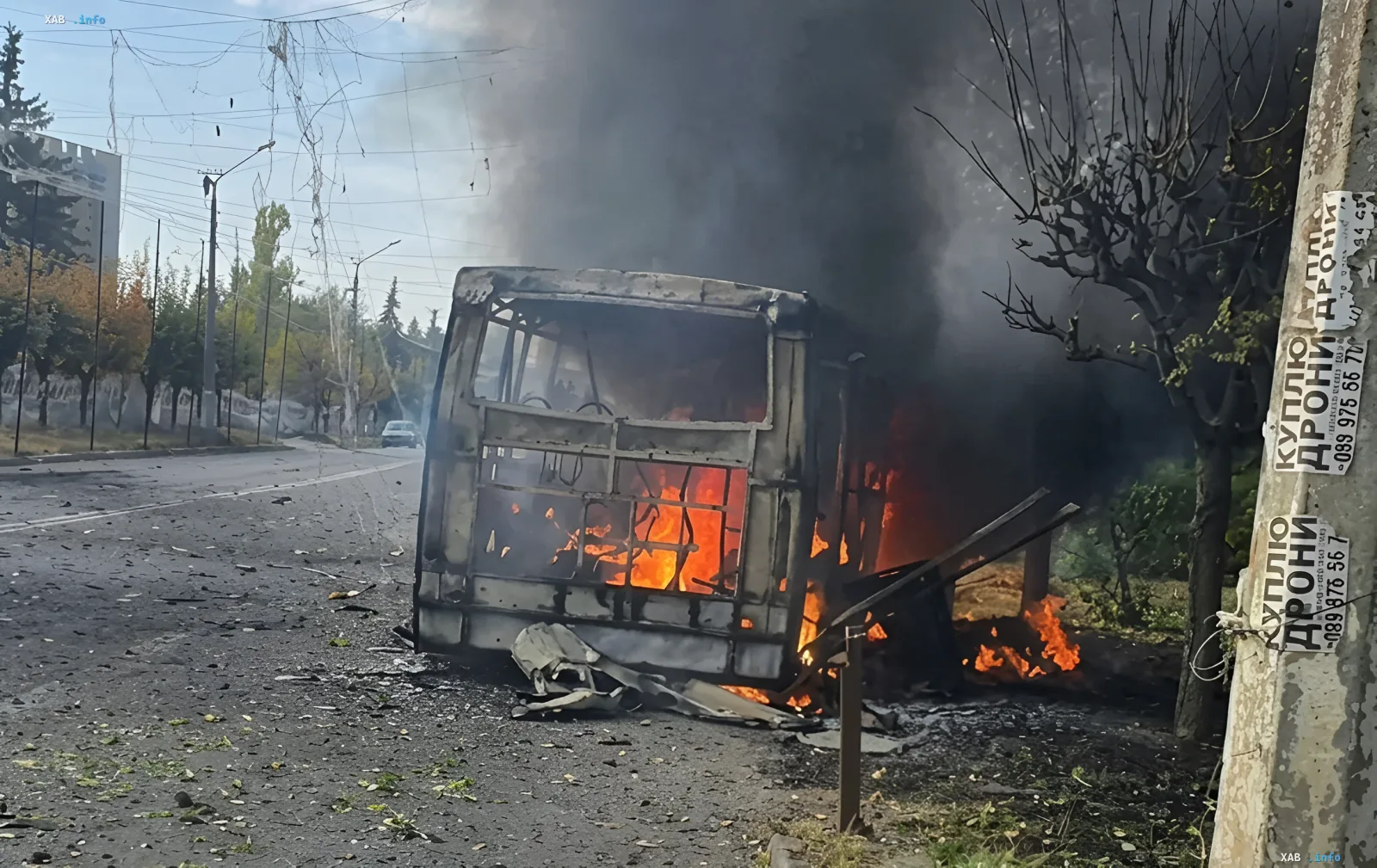
Tragic events in the Donetsk region have shocked Ukraine and the global community: at least 30 civilians were killed as a result of a targeted Russian military strike on a scheduled passenger bus in Kramatorsk. Another 18 people sustained injuries of varying severity. The scale of the tragedy was confirmed by Vadym Filashkin, head of the Donetsk Regional Military Administration, who emphasized the cynical nature of the attack on a civilian target.
Details of the Attack and Authorities' Reaction
According to the regional leadership, Russian forces deliberately strike where they can inflict the greatest pain and casualties on the civilian population. A bus carrying passengers became an attractive target for the enemy, seeking to maximize human casualties with a single blow. In response to a sharp deterioration in the security situation and the escalation of air terror, an unprecedented but necessary decision was made: by order of the head of the RMA, the operation of public transport in Kramatorsk and neighboring Sloviansk has been completely suspended.
Contradictory Data
It is worth noting that certain discrepancies in initial operational data have been recorded in the information space and international reports. For instance, some foreign monitoring sources and agencies, citing preliminary field reports, initially reported 12 deaths resulting from the transport strike. However, the official Ukrainian authorities, represented by the regional military administration, confirmed 30 deaths after completing initial rescue operations and clearing the rubble, emphasizing the scale of the humanitarian catastrophe.
Systemic Strikes on the Region
This attack is not an isolated incident, but fits into a general trend of systematic bombing of settlements in the Donetsk region. Previously, Russian aviation repeatedly dropped guided bombs on residential areas of Kramatorsk, damaging high-rise buildings and religious sites, as well as striking evacuation points. Local authorities urge residents to show maximum vigilance, stay in shelters, and understand the suspension of transport infrastructure for the sake of saving human lives.