Over the past day and into the night of September 30, Russian armed forces launched a massive combined attack on Ukraine using attack drones and missiles. According to NEC Ukrenergo and statements by Prime Minister Serhiy Koretsky, at least 11 regions of the country were damaged and left without power as a result of the strikes. The main target of the strikes was civilian energy infrastructure, but other civilian objects—residential buildings, social infrastructure, civilian enterprises, and railway transport facilities—also came under fire.
Combined tactics: drones by day, missiles at night
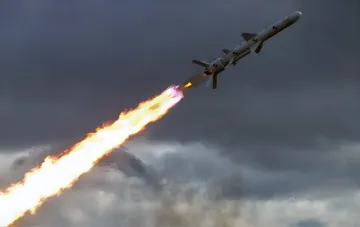
According to Ukrenergo, the enemy used a combined tactic: throughout the day, it carried out a series of drone attacks on civilian energy infrastructure, and at night and in the morning, it switched to missile strikes on a number of facilities. According to Ukrainian authorities, this approach made it possible to stretch the load on the air defense system and the energy sector and inflict damage across the widest possible geography. Prime Minister Koretsky noted that since summer, there has virtually not been a single day when the enemy did not attack energy infrastructure, but such a massive and combined attack occurred for the first time since the end of the last heating season.
Scale of damage and affected regions
As of the morning following the night strikes, new outages and damage were recorded in 11 regions of Ukraine. In addition to energy facilities, railway infrastructure facilities were hit: according to Korrespondent, railways in Kharkiv, Kyiv, Vinnytsia, Khmelnytskyi, and Ternopil regions came under attack. Furthermore, the enemy targeted residential buildings, social infrastructure, and civilian enterprises. Debris clearance, replacement of damaged equipment, and restoration of attacked objects are underway at the impact sites.
Casualties and consequences for the population
According to reports on the night attack, at that time 14 people were reported injured across the country, five people died, including a child. As a result of the strikes on the energy sector, mass power outages occurred in a number of regions, affecting household consumption and the operation of critical facilities. Local authorities, on the prime minister's instructions, are required to check the readiness of backup power systems at critical facilities in communities and complete their installation and connection as soon as possible.
Restoration and authorities' response
Where the security situation permits, power engineers and emergency crews have already begun emergency restoration work to return electricity to Ukrainian homes as quickly as possible. Koretsky stated that he expects a detailed report on the condition of the equipment and the timeline for restoring damaged facilities. President Volodymyr Zelenskyy previously noted that partners once again failed to warn about the impending strike, and in a single night Russia damaged more than ten energy facilities.
Context: resumption of «energy terror»
Experts and Ukrainian authorities characterize these events as the resumption of massive pressure on Ukraine's energy system. Previous major strikes on Kyiv and other regions using ballistic missiles and attack drones were also recorded earlier in September, indicating a steady enemy line aimed at destroying energy and transport infrastructure. For Ukraine, such attacks mean not only direct human casualties and destruction, but also a systemic burden on the power grid ahead of the heating season, when the need for reliable power supply is critical.