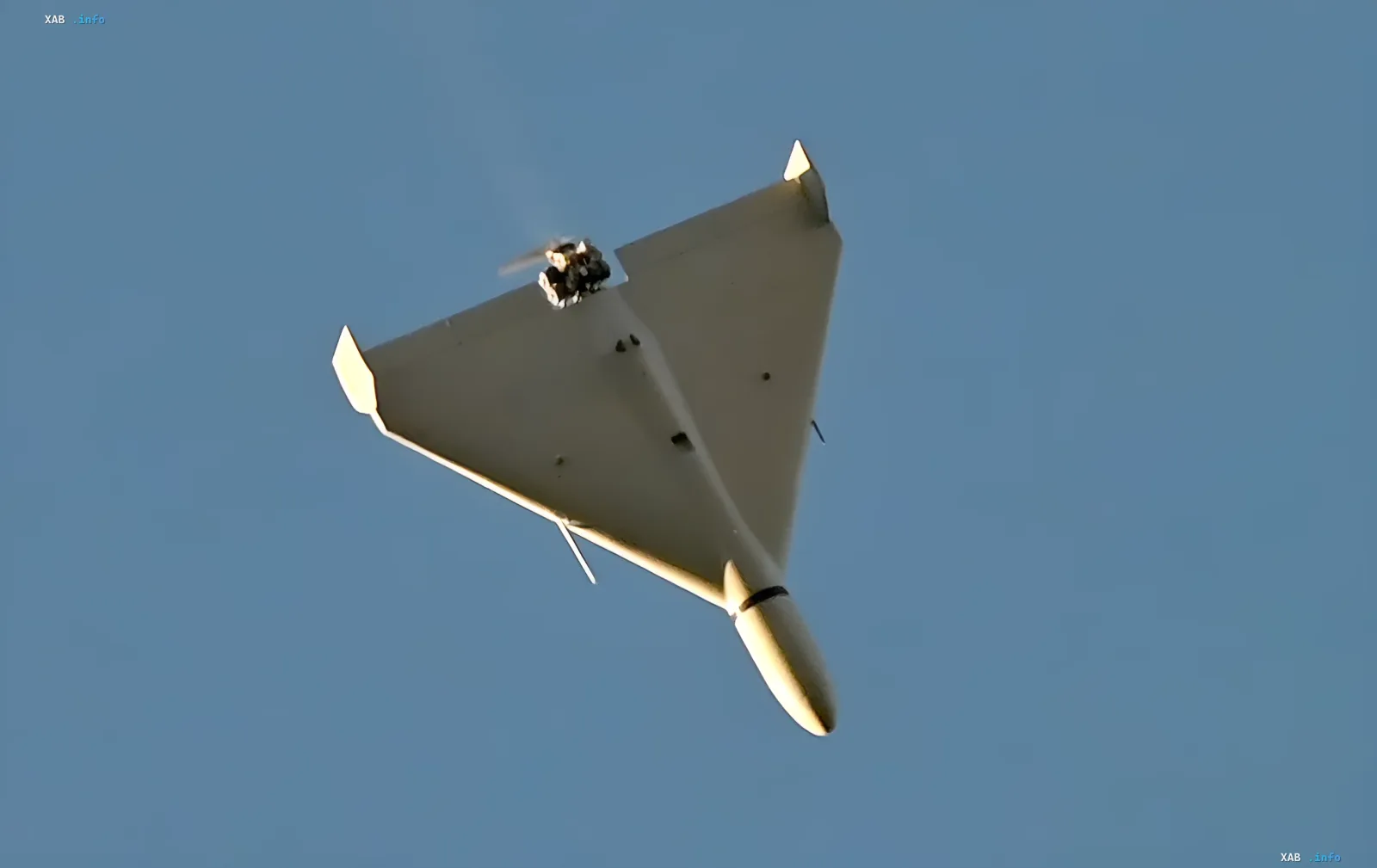
The military command of Ukraine is recording a dangerous trend in the tactics of air strikes by the Russian Federation. According to the latest data, the share of jet-powered unmanned aerial vehicles in the total volume of attacks is steadily growing and currently stands at about 40%. The full-scale introduction and active use of this type of weaponry began in July, and in certain strategic directions, the figure has already reached 60%.
Evolution of the Threat and Speed Characteristics
According to Yuriy Cherevashenko, Deputy Commander of the Air Forces, speaking at a meeting of the Temporary Investigative Commission, the share of jet drones could increase to a critical 80% in the future. Today, such aircraft are capable of speeds around 600 km/h, but experts predict this figure will rise to 800–900 km/h in newer modifications.
Technological Challenges for Air Defense Forces
The significant increase in the speed of air targets creates serious challenges for traditional interception means. Destroying such objects requires the highest level of training and special skills from operators and pilots. In this regard, Ukrainian manufacturers have been tasked as a priority to develop specialized simulators and training devices for the crews of mobile groups and interceptor drones.
Development of Countermeasures and Domestic Interceptors
In parallel with the growing threat, Ukraine is actively working to create its own systems to counter jet UAVs. The Air Forces are cooperating with approximately 20 domestic manufacturers whose developments are at various stages of readiness. Experimental training grounds have been created for testing, where new systems are tested in real combat conditions.
Production Limitations and Economic Factor
Despite successful tests of a number of models, it is premature to talk about a transition to mass serial production. The main obstacles remain the high cost of components and the limited financial capabilities of enterprises, which are forced to invest their own funds in refining solutions that have not yet proven their effectiveness on a large scale. Nevertheless, the modernization of Russian strike assets, including long-range devices of the Geran-4 type, requires Ukraine to quickly find technological responses.