Against the backdrop of discussions in the US over a new sanctions bill aimed at curbing Russian oil exports, Russia's ambassador to India stated that Moscow is prepared to supply Delhi with as much hydrocarbons as needed to meet the country's energy needs. The statement came in the context of trade talks between Washington and New Delhi, as well as the escalating situation around the Strait of Hormuz and the conflict in the Gulf.
Moscow's Position: "as Much Oil as Needed"
"We are ready to supply India with as much oil as it needs. Unfortunately, those who are imposing sanctions and tariffs have chosen a path of pressure rather than honest cooperation, which prevents these countries from offering India more favorable terms for oil supplies than we can," the Russian diplomat stated. Thus, Moscow positions itself as an alternative supplier that, in its own words, is able to offer Delhi more favorable terms than the countries imposing restrictive measures.
US Sanctions Bill and Presidential Powers
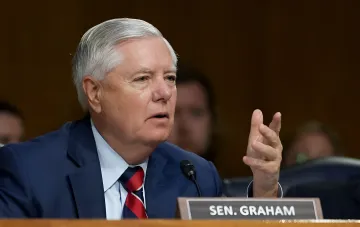
According to Bloomberg, a sanctions bill is under discussion in the US, with Senator Lindsey Graham named as its author. According to the outlet, if the document is adopted, US President Donald Trump will receive additional powers in the area of restrictions. As the outlet notes, the sanctions measures are aimed at further limiting Russian oil exports, the proceeds of which, according to the bill's supporters, help finance the Kremlin's war against Ukraine. The essence of the argument is that Russian budget revenues largely depend on the sale of energy resources.
The Argument on Shortages and the Strait of Hormuz
The Russian diplomat warned that excluding Russian oil from circulation could, in his words, lead to disruptions in the global market. In support of this position, he referred to the conflict between the US and Iran, as well as problems with the transportation of energy resources through the Strait of Hormuz. "The world will not cope if Russian oil is excluded from supplies. Energy markets cannot afford it. Russian oil will remain on the market for India and other countries. We are interested in supplying oil to India. India is interested in buying this oil," the ambassador summarized.
Contradictory Data
The provided materials show an inconsistency in the name of Russia's ambassador to India: in one place he is named Denis Almazov, while in the quotes he is referred to as "Alipov." The editorial team does not have confirmation of the "correct" version and, in accordance with the rules, does not replace data from the primary text, so the name is not clarified in the article. Moreover, the details of the sanctions bill, with Senator Lindsey Graham named as its author, are presented fragmentarily in the source (the list of presidential powers is cut off), and the nature of the conflict around Iran and the Strait of Hormuz is described differently in various materials — ranging from a "war in the Gulf" to general "transportation problems." These discrepancies require additional verification.
Context: Trade Talks and Delhi's Reaction
According to Bloomberg's assessment, potential US sanctions against Russian oil could complicate trade negotiations between Washington and New Delhi. Indian analytical materials devoted to Delhi's reaction to sanctions pressure interpret the continuation of Russian oil purchases as a demonstration of independence in energy policy against the backdrop of the escalating situation in the Gulf.
Thus, the statement by Russia's ambassador to India coincided with the active phase of discussions in the US over restrictive legislation against Russian oil exports. Moscow, in its own words, is betting that it is more advantageous for Delhi to continue purchasing Russian oil, while Washington views these supplies as a channel for financing the war. The outcomes of the trade talks and the fate of the sanctions bill will be determined in the coming months.