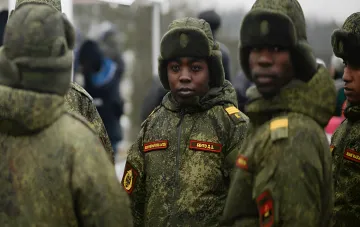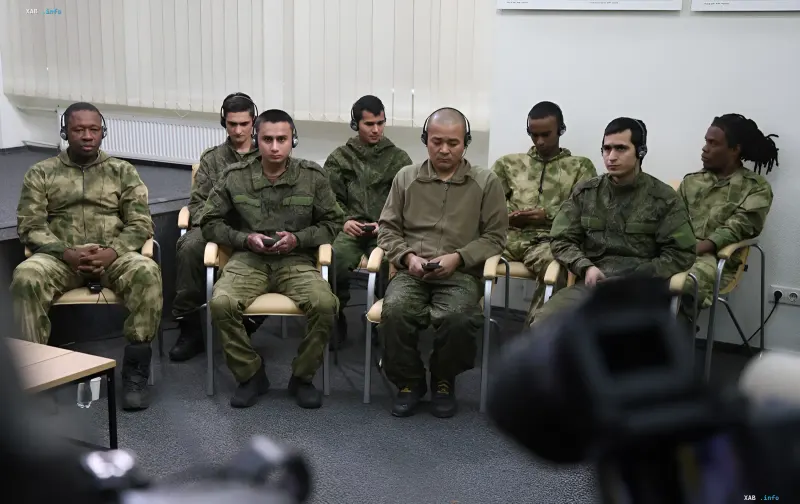
At the fourth international conference «Crimea Global. Understanding Ukraine through the South», Dmytro Usov, Brigadier General and Secretary of the Coordination Headquarters for the Treatment of Prisoners of War, presented updated data on the involvement of foreign citizens in combat operations as part of the Russian armed forces. According to him, since the previous conference session, the figure has grown from 28,000 individuals from 138 countries to nearly 46,000 contract soldiers representing 151 nations worldwide.
Recruitment Dynamics: From Hundreds to Tens of Thousands
Usov stressed that the involvement of foreigners in the war against Ukraine exhibits a steadily growing trend. While in 2022, during the first months of the full-scale invasion, only 94 signed contracts were recorded, today the figures are in the tens of thousands. According to his data, this year the Russian Ministry of Defense plans to conclude 18,500 contracts with foreigners, of which 16,168 have already been signed. The general also noted that the Ukrainian side possesses the personal data of every foreign contractor: their rank, military ID number, and the date the agreement was concluded.
Geography and Systematic Nature of the Campaign
The general pointed out the top ten countries driving the main increase in the number of recruits, adding that thanks to the work of Ukrainian structures, the recruitment of citizens from several states has been reduced or completely stopped. At the same time, he reported that since the beginning of the full-scale invasion, Ukraine's security and defense forces have captured citizens of 59 countries. According to Usov, 41% of surveyed foreigners stated that their contracts were concluded through military enlistment offices and recruitment centers, which, in his assessment, indicates the systematic nature of the Russian mercenary recruitment campaign.
Contractor Motivation
Among the key motives driving foreigners to sign contracts, Usov cited promised payments for signing the agreement and performing service, as well as statutory benefits. He emphasized that the financial component remains the primary tool of the recruitment machine, operating through official and semi-official recruitment channels.
Context: Avoiding the Frontline and Covert Mobilization
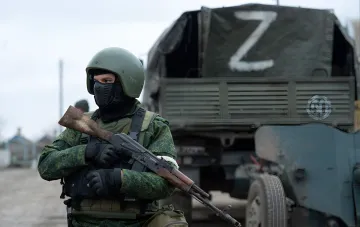
Earlier, according to RBK-Ukraine citing the Main Directorate of Intelligence, Russian contract soldiers have been trying by various means to avoid being sent to the frontline in Ukraine and participating in assault operations. Concurrently within Russia itself, according to available data, so-called covert mobilization is spreading, where violent detentions and coercion to sign contracts with the Ministry of Defense are becoming routine practice. Against this backdrop, the growing number of foreign mercenaries appears to Kyiv to be a logical consequence of domestic volunteer shortages.
Scale Assessment
The figures presented at the conference, if confirmed by subsequent intelligence data, record one of the most noticeable shifts in the structure of the Russian army throughout the conflict: a transition from targeted recruitment of individual foreigners to mass, institutionalized recruitment of citizens from over 150 countries. For Ukraine, according to Usov, this means both an expansion in the range of nationalities among prisoners of war and the need to adapt the system for their treatment and exchange.