August 18, 2026 — Amidst escalating pressure on Russia's energy infrastructure, Moscow has initiated a massive restructuring of logistical chains. The key decision involves rerouting transit flows of Kazakh oil from the Baltic port of Ust-Luga to the Black Sea port of Novorossiysk. This move, scheduled for implementation from late August through September, aims to free up critically important export capacity in the Baltic region for the shipment of Russian crude.
Freeing Up Capacity in the Baltic
According to data obtained by XAB.info, changing the route will release approximately 100,000 barrels per day at the Ust-Luga port. Under current conditions, where Black Sea terminals face a shortage of shipowners, available capacity in the Baltic has become a strategic resource. Russian exporters plan to fully utilize these freed-up volumes with their own oil to compensate for disruptions in other regions.
Safety Factor and the "Immunity" of Kazakh Crude
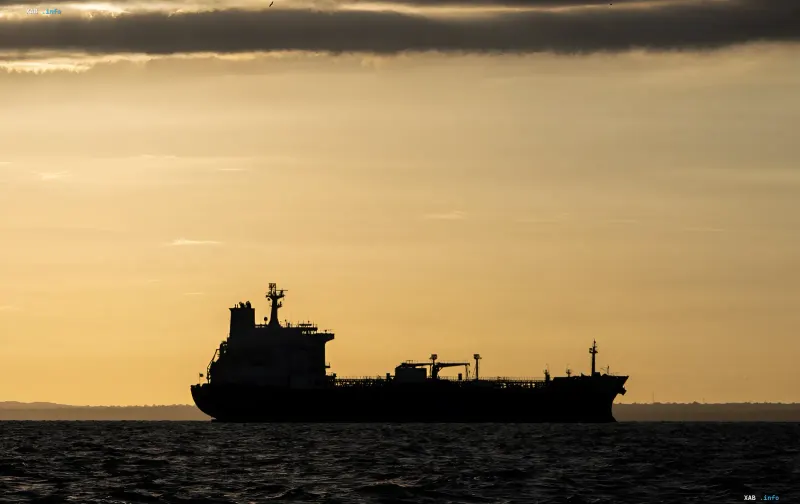
The cause of the current situation is active drone attacks by Ukraine on vessels in the Black Sea. Many international shipowners refuse to charter tankers carrying Russian oil due to high risks. However, according to logistics experts, Kazakh KEBCO crude possesses a certain "immunity." Ukraine previously committed to not striking tankers carrying non-Russian crude, which significantly simplifies the process of finding vessels to ship Kazakh volumes through Novorossiysk.
Economic Viability for Kazakhstan
Interestingly, Kazakh producers themselves support this initiative. The route via the Black Sea has proven more profitable under current market conditions than the traditional shipment via the Baltic. The main volumes of KEBCO are being directed to refineries in the Mediterranean and to European refineries of the company "KazMunayGas." Thus, the logistical restructuring benefits both sides: Russia through port decongestion, and Kazakhstan through increased export margins.
Domestic Fuel Crisis in Russia
Against the backdrop of export maneuvers, the situation regarding fuel shortages within Russia is intensifying. In at least 10 regions, local authorities have been forced to tighten control over gasoline sales at gas stations. Experts link this to the fact that drone strikes over the past months have disabled up to 40% of the country's refining capacity. About a third of the Russian population has already faced fuel shortages, creating additional pressure on the government and the oil sector.
Contradictory Data
Despite the obvious logistical advantages, there are discrepancies regarding the final export volumes. On one hand, rerouting Kazakh oil should boost shipments in the Baltic. On the other hand, analysts note the instability of the situation. While some sources forecast a 4% increase in Russian oil exports from western ports in August 2026, others point to the risk of a similar drop in shipments due to the inability to find tankers to replace the freed-up capacity. The final balance depends on how quickly the market can adapt to new routes and sanction risks.