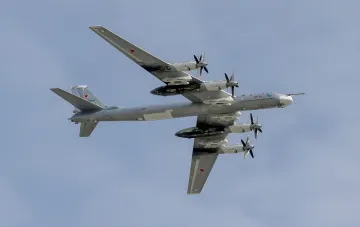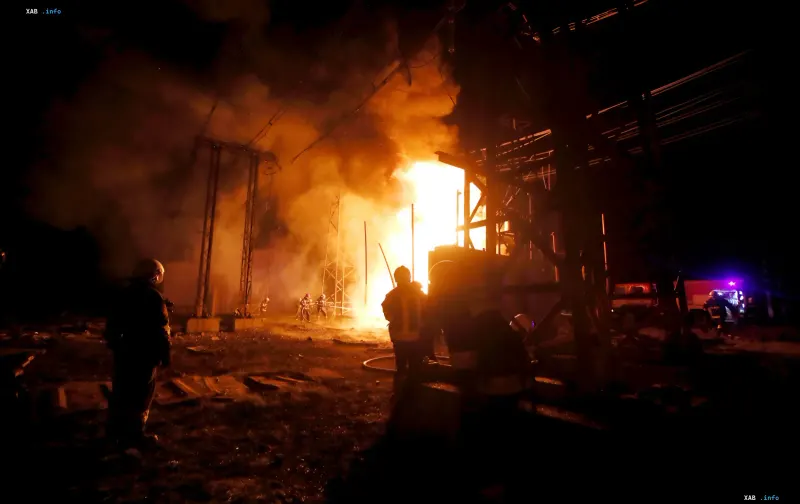
The Russian Federation has likely begun its campaign of strikes against Ukraine's energy infrastructure earlier than usual seasonal schedules. According to experts from the Institute for the Study of War (ISW), such moves by Moscow are driven by an effort to inflict maximum and irreparable damage on the Ukrainian energy grid before Kyiv can fully strengthen its defenses and deploy new, effective countermeasures against ballistic missiles and attack drones.
Information Cover and Russian Ministry of Defense Rhetoric
Analysts note that the Russian Ministry of Defense has already established a consistent rhetorical stance to justify the upcoming escalation of massive bombardments in the autumn and winter of 2026-2027. Specifically, the Russian agency publicly claims that current and future strikes are allegedly a retaliatory measure for numerous attacks on civilian objects inside Russia, which Moscow claims have continued since June 2026. ISW emphasizes that this information narrative is being actively promoted to preemptively prepare both the Russian domestic public and the international community for a new wave of destructive shelling.
Kremlin's Shift in Tactics Amid Battlefield Setbacks
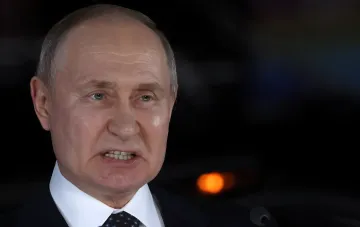
According to the expert community, certain successes achieved by Ukraine's Defense Forces on the battlefield in this year of 2026 are forcing Russia's supreme military-political leadership and Vladimir Putin personally to substantially review their initial plans for achieving victory in the war. Instead of relying solely on the advance of ground troops, Moscow is placing a strategic bet on long-range terrorist strikes against Ukraine's rear territory. The main goal of this tactic is to make living conditions for the civilian population completely unbearable and force the Ukrainian state to capitulate on the Kremlin's terms.
Contradictory Data
When analyzing the statements of both sides, significant discrepancies emerge regarding the objectives and nature of the strikes. Official Moscow persistently frames its actions solely as a symmetrical response to Ukrainian special operations, alleging targeted Ukrainian Armed Forces strikes on civilian targets in Russia since the summer of 2026. At the same time, independent international observers from ISW, as well as Ukrainian agencies, refute these accusations, emphasizing that Ukrainian forces strike exclusively legitimate military and strategic supply facilities of the Russian army, notably oil refining infrastructure, having disabled over 51% of the aggressor's refinery capacity.
Consequences for the Energy Grid and Mirror Operations
Reminding that Russia has regularly shelled Ukrainian energy infrastructure every winter starting from the 2022-2023 season, analysts state an early start to the attacks this time. The Kremlin aims to beat the schedule to strike facilities before defensive measures are completed. Concurrently, Ukraine continues successful long-range operations against Russian oil infrastructure, creating a severe imbalance in the aggressor's economy and forcing the Russian command to threaten retaliatory strikes against Kyiv and other major cities.