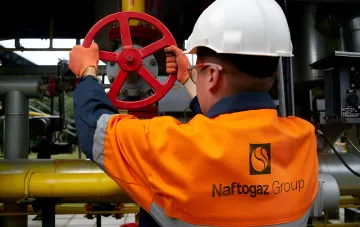
Russia has once again launched an attack on a facility belonging to the Naftogaz Group in the Poltava region. This was reported by RBC-Ukraine, citing a statement from the company. Naftogaz confirmed the shelling and noted that specialists are already assessing the aftermath, although this work is complicated by the risk of repeat strikes in the same direction.
Damage assessment and threat of follow-up strikes
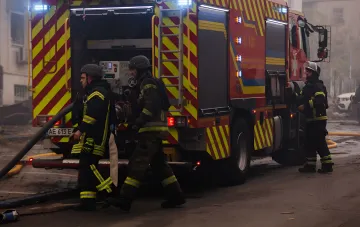
According to the company, specialists are working at the site following the attack to determine the scale of damage and the condition of the equipment. As the statement points out, the threat of a follow-up strike is what hinders evaluation and restoration efforts: personnel cannot freely conduct inspections and localize the consequences while the risk of new attacks on the facility persists.
Systematic attacks on gas infrastructure
Naftogaz emphasized that attacks on gas production and distribution facilities are occurring almost daily, and it is precisely this sector that is critical for supplying heat to Ukrainian homes during the current heating season. Serhiy Fedorenko, acting chairman of the board of NJSC Naftogaz of Ukraine, stated that units in the Poltava and Dnipropetrovsk regions came under systematic shelling this week. At the same time, according to him, the main thing is that enterprise employees remained uninjured.
Chronology of this week's attacks
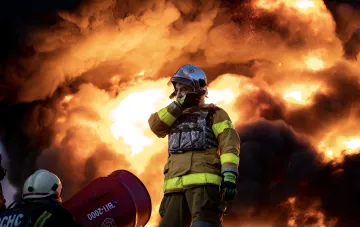
The strike in the Poltava region is part of a series of attacks on Naftogaz infrastructure over recent days. According to RBC-Ukraine, on November 14, Russian military attacked a Naftogaz Group facility in the Poltava region with drones, triggering a large-scale fire. On the evening of November 12, Russia struck a Naftogaz facility in the Chernihiv region with two missiles, causing serious destruction to the enterprise. On the night of November 11, a strike was carried out using jet drones against a Naftogaz Group facility in the Dnipropetrovsk region.
Context and risks for the winter season
The company notes that attacks on Naftogaz infrastructure this week have been happening almost every day, creating additional strain on the gas distribution system ahead of the peak heating period. Amid the persistent threat of repeat strikes, the priority remains ensuring personnel safety and maintaining the operational capability of gas production and distribution facilities, upon which public heat supply depends.