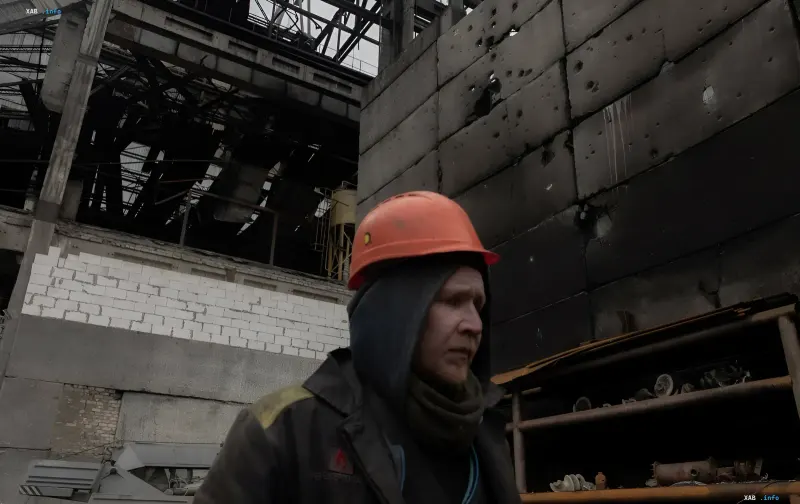
On October 16, early in the morning, the Russian military resumed systematic strikes on Ukraine's energy infrastructure facilities. According to the Ministry of Energy, the attacks are carried out in waves using unmanned aerial vehicles and continue throughout the day. As a result of the shelling, damage was recorded in Kyiv and five other regions — Kyiv, Kharkiv, Rivne, Volyn, and Odesa. Due to the sustained damage, emergency power outages for the population and enterprises began in a number of network sections.
Scale of Damage and Geography of Strikes
The Ministry of Energy of Ukraine confirmed in an official statement on Telegram that facilities in six regions of the country were hit simultaneously. The agency noted that the most difficult situation persists in the frontline and border regions with Russia, where, according to ministry representatives, the enemy does not stop strikes on energy infrastructure, carrying them out "daily and systematically." It is in these regions that the concentration of damage and the frequency of outages are maximal, which creates an additional burden on repair crews and spare parts logistics.
Emergency Outages and Power Restoration
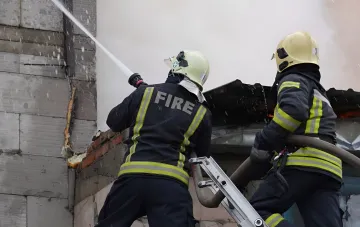
As a result of the morning and daytime attacks, emergency outages were introduced on the damaged sections of power grids. At the same time, according to the Ministry of Energy, during the day power engineers have already restored electricity supply to more than one million consumers. Repair work, as the agency emphasized, continues wherever the security situation allows. The restrictions are due to the fact that in a number of zones, active strikes do not allow crews to safely approach damaged objects.
Context: Resumption of Massive Attacks Since Late September
The current wave of strikes is a continuation of the campaign that Russia launched against Ukraine's energy sector in late September 2026. Since then, attacks on power plants, substations, and distribution networks have become regular. This week, according to available data, three thermal power plants in Kyiv were hit during a massive shelling — an event that underscores the scale and targeted nature of strikes on the capital's key generating capacities.
"Energy Truce" and Its Actual Infeasibility
Of particular resonance in the international discourse is the fact that massive strikes on Ukraine's energy sector continue a few days after US President Donald Trump publicly announced the achievement of an "energy truce" between Ukraine and Russia. The actual continuation of attacks by Russian armed formations calls into question compliance with the stated agreements. The Ukrainian Ministry of Energy in its statements does not directly comment on Trump's statement, but records ongoing strikes and their consequences for citizens.
Operational Situation and Further Risks
At the time of material preparation, the Ministry of Energy did not report the full restoration of all damaged sections. Power engineers are working under conditions of ongoing attacks, which slows down repair rates and increases the risk of repeated damage. Further local outages are possible for consumers in the affected regions until repair teams complete the restoration of damaged lines and equipment. The agency urges the population to follow official information channels regarding the timeline for restoring power supply in specific areas.