Ukraine remains open to discussing a mutual energy truce, yet the current terms of potential agreements raise serious concerns among international experts. Analysts at the Institute for the Study of War (ISW) point out a severe asymmetry in the initiative, which risks leaving Ukrainian thermal power plants and grid infrastructure vulnerable to ongoing winter strikes by Russian forces.
Background and Diplomatic Initiatives Around the Power Grid
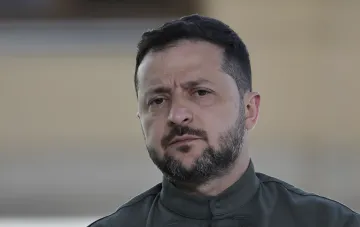
Discussions regarding restrictions on strikes against critical infrastructure intensified following statements from the US administration. On October 11, US President Donald Trump claimed a supposed agreement had been reached between the warring parties, though subsequent clarifications from the White House showed it was merely a preliminary proposal focused exclusively on a moratorium against strikes on oil refineries. No official or comprehensive treaty between Kyiv and Moscow had been finalized as of mid-October 2026, a fact repeatedly emphasized by Ukrainian President Volodymyr Zelenskyy.
The Core of Asymmetric Threats to Energy Infrastructure
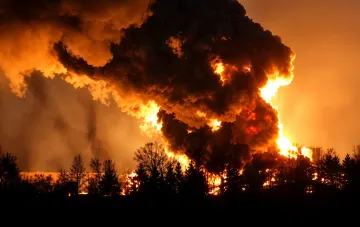
According to ISW reports and operational updates, Russian forces continue launching massive strikes on Ukrainian energy assets. Notably, on October 12 alone, six energy facilities were targeted, including a thermal power plant near Kharkiv, natural gas extraction sites, and an oil depot in Rivne Oblast. Meanwhile, Ukrainian forces have refrained from symmetrical strikes on Russian energy infrastructure while awaiting constructive agreements, creating a dangerous imbalance ahead of the 2026-2027 heating season.
Contradictory Data
Significant discrepancies exist in how the truce is framed between Western political statements and the reality on the battlefield. While the US side initially spoke of a broad energy truce, subsequent White House commentary narrowed the initiative to a targeted refinery moratorium. Concurrently, the Kremlin has publicly committed to no obligations regarding halting attacks on energy facilities, continuing its aerial campaign against Ukrainian power plants, whereas Kyiv asserts its readiness for a comprehensive cessation of strikes across all energy infrastructure.
ISW Expert Assessment and Potential Consequences
ISW experts emphasize that restricting the agreement solely to oil refineries plays directly into Russia's hands. Russia operates dozens of large refineries, while Ukraine has only one operating facility of this scale. Consequently, Ukraine voluntarily halting strikes on Russian refineries would strip it of effective military leverage, while allowing the Russian military to unimpededly destroy Ukrainian power plants and set the stage for a devastating winter for the civilian population.