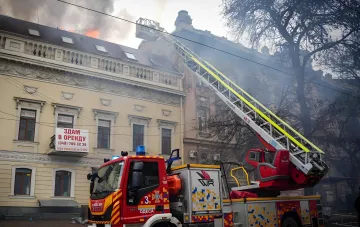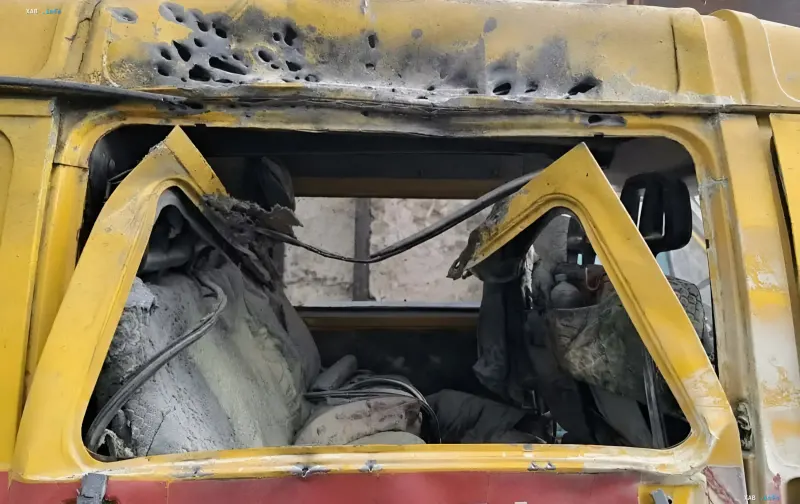
In the Dnipropetrovsk region, a service facility of the Dnipro branch of Gasnetworks («Gazmerezhi») has been subjected to repeated drone attacks. According to Lyudmila Kinder, Chairperson of the company's board, the enemy attacked the facility several times throughout the day, resulting in damage to the organization's service vehicles. She stated there were no casualties among the employees.
Course of the attack: repeated FPV drone strikes
As Kinder reported on Facebook, cited by RBC-Ukraine, FPV drone attacks were repeated multiple times during the day. As a result of the strikes, company service vehicles used by teams for fieldwork were damaged. The Chairperson emphasized that the key takeaway is that no Gasnetworks employees were injured during the attack.
«Part of daily risk»: company management's position
Kinder stressed that for teams operating in frontline communities, such attacks have already become part of daily risk. Gas distribution infrastructure and transport, without which teams cannot perform their duties, are under attack, she noted. Thus, the company is recording not an isolated incident, but a steady practice of shelling its service facilities near the frontline.
Context: series of infrastructure strikes since summer 2026
The current attack is part of a broader series of strikes against gas distribution infrastructure. On the night of November 9, one of the facilities of the Cherkasy branch of Gas Distribution Networks of Ukraine was hit: part of the premises caught fire, with the roof, windows, and service vehicles damaged. On October 20, Russia attacked a Gasnetworks facility in the Dnipropetrovsk region, causing a fire in the building. On August 26, Gasnetworks facilities in the Chernihiv and Kharkiv regions were targeted, sustaining damage and leaving one employee injured. Additionally, in December 2025, several settlements were left without gas following an infrastructure attack in the Kharkiv region.
Significance for regional gas supply
Repeated strikes on service transport and gas distribution facilities pose a direct threat to the operational work of emergency and installation teams: without transport, crews cannot promptly travel to damage sites and maintain network operations. Against the backdrop of a series of incidents since the summer of 2026, the company notes a systematic impact on frontline gas distribution infrastructure, increasing the risks of gas supply disruptions in individual settlements.