In Russia, according to media reports, the first known case has been recorded in which a citizen liable for military service and serving in the reserve was unable to leave the country due to a decision by the military commissariat. RBC-Ukraine reports this, citing The Moscow Times. According to human rights defenders, on September 2, 2026, a 24-year-old resident of Rostov Oblast who had completed his conscript service in 2024 and was in the reserve attempted to fly out of Krasnodar abroad. At passport control he was detained for additional checks, after which he was served with an official notice of a temporary restriction on the right to leave the Russian Federation.
Chronology of the Incident
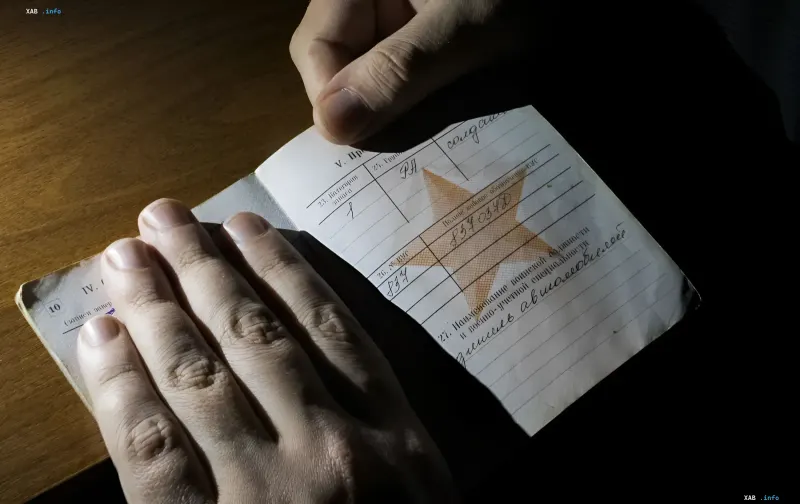
As it turned out, the decision to restrict his departure was made by the military commissariat where the reservist was registered. In November 2025, he had clarified his military registration documents there, where a mobilization order was inserted into his file. According to human rights defenders, in the electronic registry this summons was listed with the status "Citizen did not appear," and it was on this basis that the military commissariat decided to impose the travel ban. The reservist himself claims that before the trip he had not seen any message about the ban in the registry and learned of it only at the border.
Contradictory Data
The versions of the parties do not add up. The military commissariat, in essence, justifies the restriction by the fact that the status "Citizen did not appear" under the mobilization order has been recorded for the citizen in the electronic registry. However, the reservist himself states that before his attempt to leave he had not seen in the registry either a summons with such a status or a notice of a travel ban, and learned of the restriction only during border control. Thus, one side relies on the data of the electronic registry, while the other cites its lack of access to that data prior to the detention. No independent judicial assessment of this episode is provided in open sources at the time of publication.
Scale of the Problem: Human Rights Defenders' Data
Since March, following the full-scale launch of the electronic summons registry, Russians have been filing mass complaints about being blocked from leaving the country. According to the human rights group "Go Into the Woods," between August 18 and 31 alone, 73 draftees who were trying to cross the border contacted them; in a number of cases, the travel ban appeared directly during border control. Attempts to leave via Belarus also did not always end successfully: of the 11 draftees who contacted the project, four crossed the border, while seven did not.
Context: Rumors of Mobilization and the Summons Registry
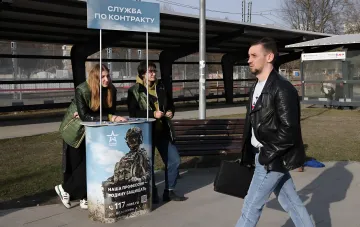
The travel restrictions are being introduced against the backdrop of rumors of a possible new mobilization after the September State Duma elections. Previously, RBC-Ukraine noted that Russian draftees are increasingly facing problems when trying to leave the country, and in some cases the restriction becomes known only during border control. In the same context, the publication pointed to cases of forcible detention and coercion to sign a contract with the Ministry of Defense.
Legal Aspects
Lawyers commenting on such situations point out that reservists can formally be subject to travel restrictions, however, the procedure for their application and for informing citizens remains a matter of dispute. In the case described, the key point of contention is the moment from which the citizen is considered notified of the ban, and whether the status "Citizen did not appear" in the registry is taken into account as sufficient grounds for restricting departure without a separate service of notice.