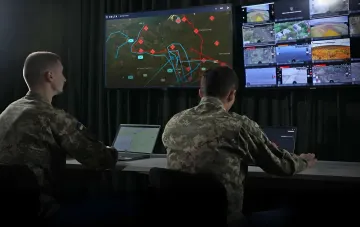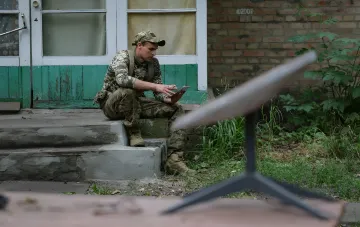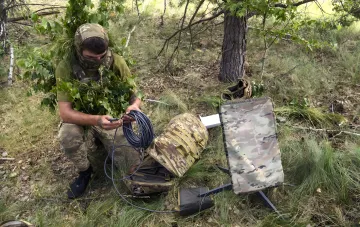
Russia is already employing its own low-Earth orbit satellite system, 'Rassvet,' for military communications over Ukrainian territory. According to RBK-Ukraine, citing Reuters, the Main Directorate of Intelligence (HUR) of the Ministry of Defense of Ukraine stated that the occupiers are using the satellites to make strike drones more precise and resistant to electronic warfare.
What is 'Rassvet' and what are Moscow's plans
According to HUR, in 2026 Russia launched 32 'Rassvet' satellites into orbit in two batches—in March and July. For comparison, SpaceX's Starlink network has more than ten thousand units. The project coordinator, the company 'Buro 1440,' expects to form a constellation of over 900 satellites by 2035, and Moscow plans further launches by the end of 2026 to expand coverage and gradually move toward a fully functional low-Earth orbit communication system.
What is the threat to Ukraine
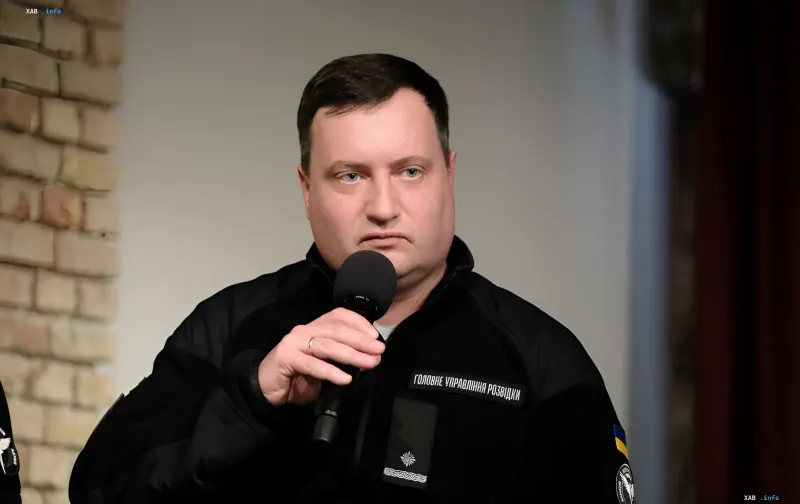
The HUR explained that 'Rassvet' is capable of providing two-way data exchange with drones over Ukraine: reconnaissance drones can transmit information in real-time, and operators can change the course of strike vehicles mid-flight, reacting to target movements or bypassing air defense systems. 'In the long term, this could increase the efficiency of strike and reconnaissance UAVs and make them harder to intercept with electronic warfare and signal intelligence,' said HUR spokesperson Andrii Yusov.
Current coverage limitations
However, according to Yusov, the current number of satellites is not yet sufficient for continuous coverage of Ukrainian territory: connectivity occurs periodically as the devices pass over relevant areas. Kyiv-based security expert Mykola Zentsev assesses the impact differently: he states that Russia already has at least two windows of high-quality satellite communication per day, each lasting over an hour, and the system's influence on the accuracy of Russian jet drones is already noticeable.
Technical problems of the Russian Starlink counterpart
The 'Rassvet' project is facing serious technical difficulties. On October 30, one of the system's units—Rassvet-3 No. 17—de-orbited and burned up in the atmosphere after operating for less than three months in space. According to Defense Express, the device likely failed to ignite its thrusters for orbital correction. The satellite was launched on July 19 from the Plesetsk cosmodrome as part of the second batch, and it had been reported back in September that this batch failed to reach its intended altitude.
Thus, 'Rassvet' remains in an early stage: the system is already being exploited in combat conditions, but it is far from stable, continuous coverage comparable to Western analogues, and individual units are being lost within months of deployment.