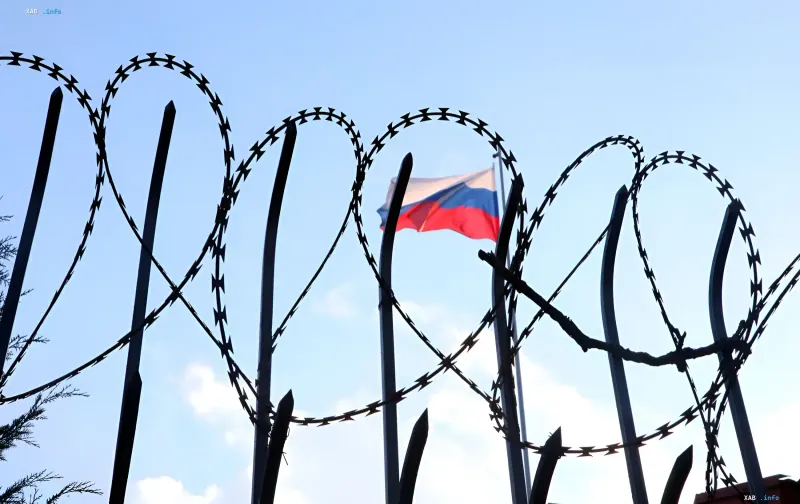
The Russian Federation has officially and finally withdrawn from the European Convention for the Prevention of Torture and Inhuman or Degrading Treatment or Punishment. According to RBC-Ukraine citing a statement from the Council of Europe, as of the entry into force of the denunciation, any independent monitoring of detention facilities in the country has ceased. Effectively, this means that as of October 30, 2026—exactly one year after the official notification—the supervisory mandate of the European Committee for the Prevention of Torture (CPT) on the territory of the Russian Federation has ended.
Chronology and legal mechanics of the withdrawal
Russian authorities officially notified the Council of Europe of their decision to denounce the convention on October 30, 2025. In accordance with Article 22 of the document, a state's withdrawal from the agreement takes effect one year after the date of notification. Thus, by early November 2026, the transition period expired, and Russia is no longer a party to the convention. Earlier, in August 2025, Moscow's intention to leave the treaty was already discussed publicly, but the legally binding milestone was the notification dated October 30, 2025.
Nearly three decades of cooperation and a systemic rejection of transparency
Russia had been a party to the agreement since 1998. During this time, the CPT conducted 30 visits to the Russian Federation and visited more than 450 places of detention. However, according to the Council of Europe, Russia remained the only participating country that systematically refused to publish reports on the results of the committee's visits. Over the years of cooperation, only four reports were allowed to be published, while ten documents prepared following trips to Chechnya and the North Caucasus between 2000 and 2017 remained classified.
The period after 2022: testimonies without the possibility of verification
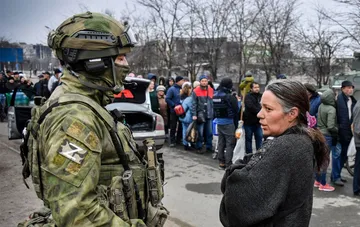
Following the full-scale invasion of Ukraine in February 2022, the committee received numerous testimonies regarding torture and ill-treatment committed by Russians both in the occupied territories and within Russia itself. However, due to the lack of cooperation from Moscow, it was not possible to verify these facts on the ground. In this context, it is noted that Ukraine continues to fully facilitate the work of the CPT and ensures openness for inspections.
CPT position and consequences for the penitentiary system
CPT President Alan Mitchell directly pointed out the consequences of this step for the Russian penitentiary system. According to him, Russia's withdrawal marks the end of the committee's monitoring mandate in the country and, consequently, the cessation of any independent monitoring of places of deprivation of liberty on Russian territory. The committee, in turn, will continue its work in 46 other Council of Europe member states to protect the rights of prisoners.
Context: intelligence data on the condition of prisoners of war
As a reminder, the Main Directorate of Intelligence of Ukraine previously reported on the scale of abuse in Russian captivity. According to intelligence data, at least 90% of Ukrainian prisoners of war released from Russian dungeons and camps have suffered from various forms of abuse and violence. These estimates highlight how critical the lack of independent oversight becomes when international structures have no access whatsoever to places of detention.
Thus, Russia's final withdrawal from the convention deprives the international community of its last institutional tool for regular monitoring of detention conditions in the country. For observers, this signifies a transition to a model where information regarding the potential use of torture remains largely unverified from the outside.